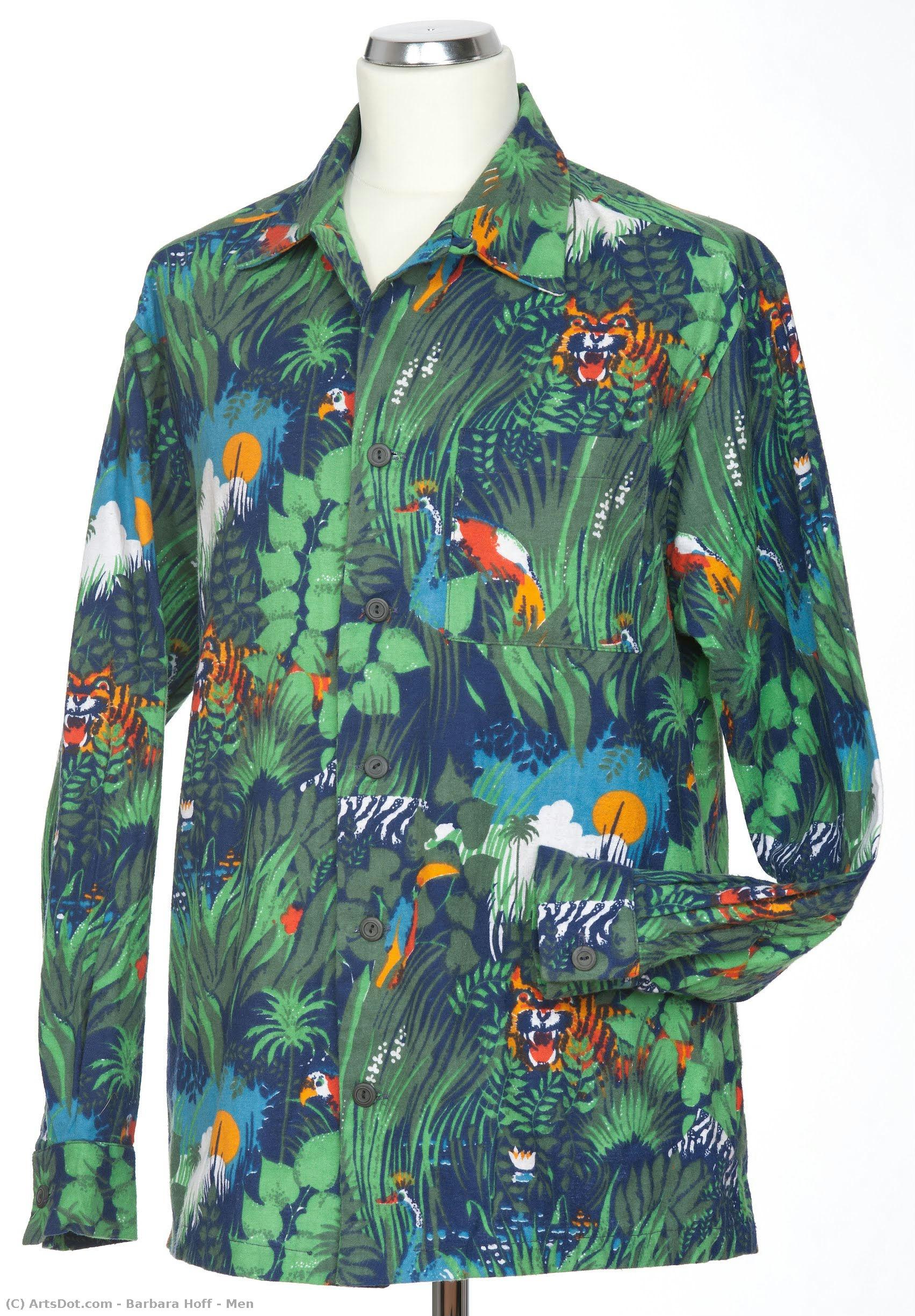

Barbara Hoff-ის ყველაზე ცნობილი ნამუშწაროა Men (1985), რომელიც ლოძის ტექსტილის ცენტრალური მუზეუმი-ში, ლოუჯი-ში მდებარეობს. Neck-strap summer dress Neck-strap summer dress (1980)-ით და Short-sleeved dress with a scarf (1980)-ით, იგი ასრულებს სამი ნამუშევრისგან შემდგარ სამეულს, რომელსაც ყველა ცნობს. ჩვენს კატალოგში წარმოდგენილია Barbara Hoff-ის 8 ნამუშწარ unexpectedly; ქვემოთ მოცემული 8 ნამუშწარები კი ისენია, რომლებსაც მსოფლიო ყველაზე მეტად აკვირდება — თითოეული მათგანი წარმოდგენილია წელით, მუზეუმით, სადაც ის იმყოფება და მისი მნიშვნელობით.
რეიტინგი დადგენილია ჩვენი პოპულარობის ქულებით, რომელიც აერთიანებს თითოეული ნამუშწარების ძიების, ნახვებისა და შეკვეთების რაოდენობას. განახლებულია ნოემბერი 2026.


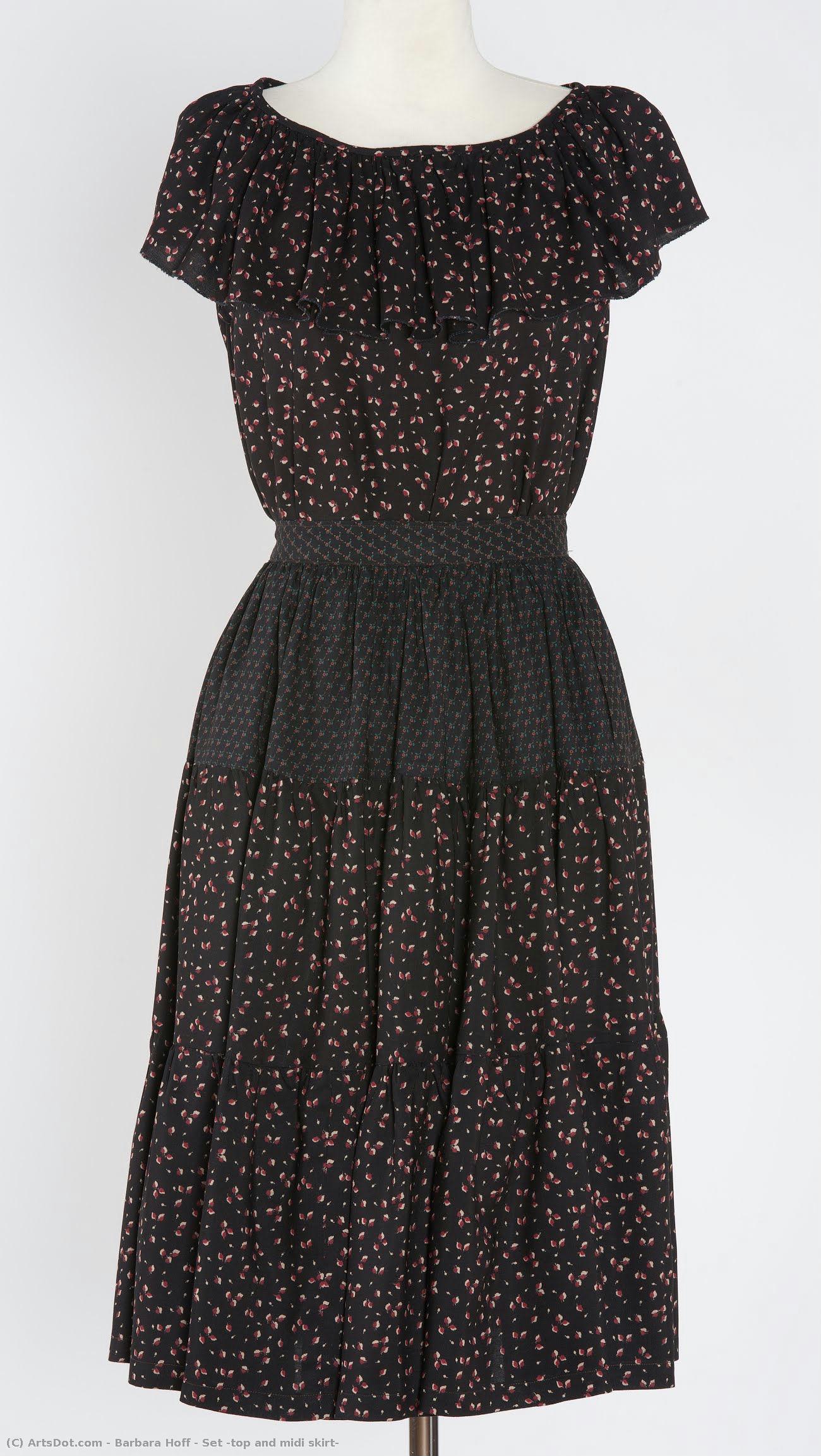


მუზეუმი, სადაც ამ გვერდზე წარმოდგენილი ნახატების უმეტესობა იმყოფება.
| მუზეუმები | ქალაქი | Barbara Hoff შემოქმედება | ამ სიიდან ნახატები |
|---|---|---|---|
 ლოძის ტექსტილის ცენტრალური მუზეუმი |
ლოუჯი | 8 | Men, Neck-strap summer dress Neck-strap summer dress, Short-sleeved dress with a scarf |
Barbara Hoff-მა მხოლოდ 6 წელი იმუშავა, 1980-დან 1985-მდე. წარმოგიდგენთ მის მოკლე კარიერას წლით წლამდე, ყველაზე ცნობილ ნაწერების through.


Men (1985), ლოძის ტექსტილის ცენტრალური მუზეუმი, ლოუჯი. შემდეგ მოჰყვება Neck-strap summer dress Neck-strap summer dress (1980) და Short-sleeved dress with a scarf (1980).
53 წლის: Men შექმნილია 1985 წელს, ხოლო Barbara Hoff დაიბადა 1932 წელს.
ჩვენს კატალოგში წარმოდგენილია 8 ნამუშწევრი Barbara Hoff-ისგან, დათარიღებული 1980-დან 1985-მდე.
მათგან უმეტესობა ლოძის ტექსტილის ცენტრალური მუზეუმი (ლოუჯი)-ში მდებარეობს. ზემოთ მოცემულ ცხრილში მუზეუმები დალაგებულია სათითაოდ.
1985-ში: ამ გვერდზე წარმოდგენილი 8 ნამსთქედან 5 შექმნილია ამ პერიოდში, მათ შორის Men.
ამ გვერდზე ყველაზე ადრეული არის Neck-strap summer dress Neck-strap summer dress (1980), ხოლო ყველაზე გვიანდელი — Men (1985).
Men, Neck-strap summer dress Neck-strap summer dress და Short-sleeved dress with a scarf არის 8 ნამუშწარwerksიდან ერთ-ერთი, რომელიც ამ გვერდზე ლოძის ტექსტილის ცენტრალური მუზეუმი, ლოუჯი-ის მფლობელობაშია.
Barbara Hoff, born in 1932 in the industrial heart of Katowice, Poland, stands as a singular figure in the annals of twentieth-century design. Her life and work represent far more than mere aesthetic choices; they embody the spirit of creativity and resilience required to flourish during the restrictive era of communist Poland. Grounding her artistic sensibilities in a deep understanding of visual culture through her studies at Jagiellonian University, Hoff developed a perspective that transcended the boundaries of traditional fashion. She did not merely design clothing; she engineered a way for individuals to reclaim their identity within a landscape of ideological uniformity.
Her journey into the public consciousness began not on a runway, but through the written word. As a journalist for Przekrój, a weekly magazine renowned for its progressive and socially conscious stance, Hoff honed an observational prowess that allowed her to capture the pulse of a changing society. Her writing became a vital medium for exploring the burgeoning world of fashion, where she analyzed emerging trends and advocated for a more experimental approach to personal style. Through her columns, she championed the idea that fashion could be a tool for self-expression even when resources were scarce, bridging the gap between high art and everyday life.
Perhaps the most profound chapter of her career was the creation of Hoffland. Recognizing the immense potential for DIY creativity amidst the limitations of state-controlled production, Hoff founded this clothing initiative to prioritize accessible designs and mass-produced collections. This endeavor was a deliberate act of cultural defiance. In an era where consumer goods were often monotonous and difficult to obtain, Hoffland provided a sense of vibrancy and individuality. She turned the necessity of improvisation into a celebrated art form, encouraging her audience to transform simple fabrics into sophisticated statements.
The impact of her work extended deeply into the visual fabric of Polish culture. Her influence was not confined to the printed page or the retail shop; it flowed into the cinematic arts as well. As a costume designer for notable films, she utilized her meticulous attention to detail and her ability to convey complex emotions through visual storytelling to craft memorable characters. Her designs were never just about covering the body; they were about narrating a story, reflecting the internal struggles and triumphs of the era.
Beyond the tangible garments and cinematic costumes, Hoff’s intellectual contributions remain a cornerstone of her legacy. She possessed a rare ability to connect the dots between disparate worlds, authoring insightful books that delved into art history and explored the intricate connections between artistic movements and societal transformations. This scholarly depth allowed her to view fashion as part of a much larger historical continuum, where every stitch and silhouette reflected the shifting tides of politics and culture.
Today, the work of Barbara Hoff is remembered for its bold use of color and its enduring spirit of innovation. Her achievements can be summarized through several key pillars of her career:
Barbara Hoff remains an icon of Polish creativity, a designer who understood that true style is born from the ability to find beauty and distinction even in the most challenging circumstances.