Early Life and Artistic Beginnings
Alexander Mosses, born in Liverpool in 1793, emerged as a significant figure within the British art scene of the early 19th century. While biographical details remain somewhat sparse, his artistic trajectory reveals a dedicated self-taught painter who quickly gained recognition for his historical compositions and particularly compelling portraits. Apprenticed initially as a wood engraver, Mosses demonstrated an innate talent that propelled him towards oil painting, honing his skills through diligent practice—often working by candlelight to supplement his formal training. This early dedication fostered a distinctive style characterized by strong chiaroscuro effects, lending drama and emotional depth to his canvases. His formative years in Liverpool undoubtedly influenced his subject matter; the bustling port city provided a rich tapestry of characters and narratives that would later find expression in his work.A Focus on History and Narrative
Mosses carved a niche for himself by specializing in historical paintings, with a pronounced inclination towards scenes from antiquity and biblical stories. His canvases weren’t merely recreations of past events; they were imbued with Romantic sensibilities—emphasizing emotion, atmosphere, and often, a sense of moral contemplation. The Expulsion of Adam and Eve, painted in 1829, exemplifies this approach. The lush, golden forest setting isn't simply a backdrop but an active participant in the drama, mirroring the characters’ internal turmoil. Similarly, The Sculptor (1834), now housed at the Walker Art Gallery, captures not just the physical act of creation but also the artist’s intellectual and emotional engagement with his craft. These works demonstrate a mastery of composition and detail, coupled with an ability to evoke powerful feelings in the viewer. Mosses wasn't simply illustrating history; he was interpreting it through a Romantic lens, imbuing it with contemporary relevance.Portraiture: Capturing Character and Status
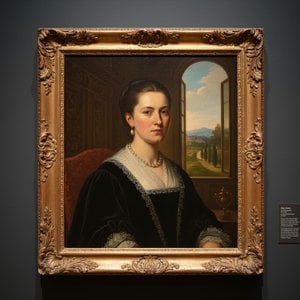
Alongside his historical paintings, portraiture formed a substantial part of Mosses’s oeuvre. He possessed a keen eye for capturing not only the physical likeness of his sitters but also their individual character and social standing. His 1827 portrait of Thomas Stewart Traill, Professor of Medical Jurisprudence at Edinburgh University, is a prime example—a neoclassical composition that conveys both intellectual gravitas and refined sensibility. Mosses’s portraits weren't flamboyant displays of wealth or power; they were often intimate studies of personality, revealing the inner lives of his subjects through subtle gestures and expressions. This sensitivity to character contributed significantly to his growing reputation as a skilled portraitist.Influences and Artistic Development
While Mosses developed a unique style, he wasn’t immune to the influences prevalent during his time. The legacy of Sir Thomas Lawrence, renowned for his elegant and refined portraits, is evident in Mosses's attention to detail and sophisticated compositions. However, Mosses moved beyond mere imitation, incorporating elements of Romanticism—a movement that prioritized emotion, imagination, and individualism. His use of dramatic lighting, atmospheric perspective, and emotionally charged narratives distinguishes him from the more restrained neoclassical tradition. The influence of Neoclassicism is visible in his precise draftsmanship and attention to anatomical accuracy, but it’s tempered by a distinctly Romantic sensibility.Legacy and Historical Significance
Alexander Mosses's career was tragically cut short by his death in 1837 at the age of 44. Despite his relatively brief life, he left behind a significant body of work that reflects the artistic currents of his time. His paintings—historical compositions and portraits alike—offer valuable insights into the social, cultural, and intellectual landscape of early 19th-century Britain. While not as widely celebrated as some of his contemporaries, Mosses’s contributions to British Romanticism are increasingly recognized by art historians and collectors. His ability to blend historical narrative with emotional depth, coupled with his sensitive portrayal of character in portraiture, secures his place as a noteworthy figure in the annals of British art. His works continue to captivate viewers with their beauty, drama, and enduring relevance.კითხვები და პასუხები
რამდენი ნამუშევარია ხელოვან Alexander Mosses-ის ხელსმოწმენე, რომლის ნახვაც შესაძლებელია?
თქვენ შეგიძლიათ ნახოთ 16 ნამუშევარი ნამუშევარი ხელოვან Alexander Mosses-ისგან ყველა ნამუშევარი გვერდზე.
როგორ არის დაყოფილი Alexander Mosses-ის კარიერა პერიოდებად?
Alexander Mosses-ის შემოქმედების ქრონოლოგიური მიმოხილვა ხელოვანის ქრონიკა გვერდზეა ხელმისაწვდომი, სადაც ნამუშევრები შექმნის თანმიმდევრობით, თავების მიხედვით წარმოდგენილია.
არსებობს თუ არა Alexander Mosses-ის ყველა ნამუშევრის სრული სია?
ეს ვებსაიტი-ზე წარმოდგენილი Alexander Mosses-ის ყველა ნამუშევრის ნახვა შესაძლებელია ხელოვანის ყველა ნამუშევარი გვერდიდან.
სად არის Alexander Mosses-ის ნამუშევრები თემატური კატეგორიების მიხედვით დაჯგუფებული?
Alexander Mosses-ის თემატური ატლასი არის გვერდი, რომელიც ხელოვანის ნამუშევრებს მათი თემატიკის მიხედვით აჯგუფებს.
როგორ შემიძლია Alexander Mosses-ის შემოქმედების წლიურ ქრონოლოგიაში თვალი ვადევნო?
არსებობს Alexander Mosses-ის ნამუშევრების ქრონოლოგია: ხელოვანის ნამუშევრების ქრონოლოგია გვერდზე ნამუშევრები შედაგებულია შექმნის თარიღით.
რომელ ისტორიულ პერიოდში მოღვაწეობდა Alexander Mosses?
Alexander Mosses 19th Century პერიოდში მოღვაწეობდა. ეს ეპოქა ხელოვანის შემოქმედებას ისტორიულ კონტექსტს სვამს.
სად შემიძლია ვნახო Alexander Mosses-ის ნამუშევრები განწყობის მიხედვით დალაგებული?
მხატვრის განწყობის ოთახი გვერდზე წარმოდგენილია Alexander Mosses-ის ნამუშევრები, რომლებიც მათი ატმოსფეროს მიხედვით არის დაჯგუფებული.