წინასწარი ნახვაწინასწარი ნახვა AR წინასწარი ნახვაAR წინასწარი ნახვა გადართვა ბეჭდზე გადართვა ბეჭდზეგადასვლა ციფრულ გამოსახულებაზე გადასვლა ციფრულ გამოსახულებაზე გაგზავნაგაგზავნა
დეტალებიდეტალები დამატება ფავორიტებში დამატება ფავორიტებში ჩამოტვირთვაჩამოტვირთვა მსგავსებიმსგავსები რენტგენოგრაფიული კვლევარენტგენოგრაფიული კვლევა სლაიდშოუსლაიდშოუ სტატისტიკასტატისტიკა

სენეკის დოლების ოჯახი

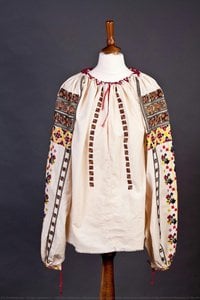
სენეკის დოლების ოჯახის ფოტო სენეკის ტომის წარმომადგენლების მიერ შექმნილი ნატურალური სტილის ძვირფას ნიმ véritა და დოლების დეტალური კონსტრუქცია და ტექსტური ელემენტები.

Explore the exquisite traditional Seneca (Tonawanda) art of Louise Belle Shanks/Mrs. Charles Kennedy! Dolls & clothing reflect Native American heritage & skill.

ხელით ნაკვეთი ზეთის ტილოს რეპროდუქცია

ტილოზე შესრულებული ფერწერიანი ზეთប្រდათი, თქვენთვის სასურველი ზომისა და ჩარჩოსთვის, ჩვენი ხელოვანების მიერ შეკვეთის საფუძველზე დამზადებული. (გადართვა ბეჭდზე გადართვა ბეჭდზეგადასვლა ციფრულ გამოსახულებაზე გადასვლა ციფრულ გამოსახულებაზე)

P118B $10
P118H $10
P118W $10
P438Z $10
P508JH $12
P508YH $12
P805H $10
P805Z $10
P919BZ $10
P919G $10
P919XJ $10
P959ZH $10
P968JZ $12
W106C $8
W218G $10
W218JH $8
W218Y $10
W307PJ $10
W316G $10
W316PJ $8
W316Y $10
W398PJ $8
W4111J $10
W500HY $15
W500JH $15
W692G $12
W849H $8
W940BG $15
W953PJ $8

სტანდარტული
სასურველი ზომის
CM
INCH

აირჩიეთ ჩვენს მიერ წინასწარ განსაზღვრული ზომებიდან, რომლებიც ნაწარმოების ორიგინალურ პროპორციებს შეესაბამება.

სიგანე
სიმაღლე

თქვენ შეგიძლიათ მიუთითოთ თქვენთვის სასურველი ზომები კონკრეტული ჩარჩოს ან სივრცის შესაბამისად. თუ თქვენ მიერ არჩეული ზომა არ შეესაბამება ორიგინალი გამოსახულების პროპორციებს, ჩვენ ან შევაჭრებთ ნაწარმოებს, ან ტილოზე დავამატებთ ხელით მოხატულ ელემენტებს. წარმოების დაწყებამდე, დამტკიცებისთვის გამოგეგზავნებათ ციფრული მაკეტი.
გთხოვთ, გაითვალისწინოთ, რომ ეკრანზე ნაჩვენები წინასწარი შეხედულება არ ასახავს რეალურ შეჭრას ან გაფართოებას. საბოლოო კომპოზიციას ზუსტად მხოლოდ მაკეტი წარმოაჩენს.
მიუხედავად იმისა, რომ შესაძლებელია ინდივიდუალური ზომების შერჩევა, ორიგინალური პროპორციების შენარჩუნებისათვის გირჩევთ, გამოიყენოთ წინასწარ განსაზღვრული სიის ზომები.

რა შეიძლება შეიცვალოს: სახის ჩანაცვლება მომხმარებლის ფოტოთი; შინაური ცხოველის დამატება (მაგ., კატის ჩანაცვლება ძაღლით); ფონზე ფარული შეტყობინების დამატება; ფონის პეიზაჟის ან ელემენტების შეცვლა.
შეკვეთის შემდეგ, WahooArt.com გუნდი დაგიკავშირდებათ ელექტრონული ფოსტით ინსტრუქციებისთვის და გამოგიგზავნით წინასწარ ნახაზს (mockup).

მიწოდება მსოფლიო მასშტაბით -ში 3/4 კვირაში, სტანდარტული 5 კვირის ნაცვლად. (10 სექტემბერი). ხარისხზე კომპრომისის გაკეთება არ მოხდება.

why_choose_icon
უფასო ექსპრეს მიწოდება მთელ მსოფლიოში
why_choose_icon
საბამად მაღალი ხარისხის ტილო
why_choose_icon
სრული ტრანსპორტირების დაზღვევა
why_choose_icon
საბაჟო გადასახადების დაბრუნების გარანტია
why_choose_icon
ფერების სრული შესაბამისობის გარანტია
why_choose_icon
დაბრუნების 100-დღიანი პოლიტიკა (მხოლოდ დეფექტის შემთხვევაში)
why_choose_icon
100% თანხის დაბრუნების გარანტია
why_choose_icon
ფასდაკლება დიდი რაოდენობით შეკვეთისას

ჯამური ღირებულება

$ 272

reproduction

სენეკის დოლების ოჯახი

რეკლამაციის ტექნიკა

რეკლამაციის ზომა

-

საბოლოო ფასი

$ 272

მოკლე ინფორმაცია

  • Movement: Documentary Photography
  • Location: Private Collection
  • Influences: Piet Mondrian
  • Dimensions: 24 x 11 cm
  • Notable elements or techniques: Macro lens detail, symmetrical composition
  • Subject or theme: Native American Dolls
  • Medium: Photography

ხელოვნების ტესტი

თითოეულ კითხვაზე მხოლოდ ერთი სწორი პასუხია.

კითხვა 1:
What is the primary subject matter of this artwork?
კითხვა 2:
The photograph utilizes what type of photographic technique to achieve detailed image reproduction?
კითხვა 3:
Louise Belle Shanks/Mrs. Charles Kennedy's artistic background includes a focus on...
კითხვა 4:
The dolls’ attire features prominent embellishments such as beadwork and fringe. What does this suggest about the cultural traditions of the Seneca tribe?
კითხვა 5:
What artistic movement is Louise Belle Shanks/Mrs. Charles Kennedy associated with, influencing her approach to visual representation?

Seneca (Tonawanda) Doll Family – A Window into Native American Tradition

This striking photograph, executed in 1930 by Louise Belle Shanks/Mrs. Charles Kennedy, offers a captivating glimpse into the cultural heritage of the Seneca tribe residing in Tonawanda Reservation. More than just an image of two wooden dolls—a meticulously crafted representation of indigenous figures—it embodies a profound connection to history and artistry.

  • Subject Matter: The central focus is undeniably on the dolls themselves, skillfully sculpted from wood and adorned with vibrant red and brown garments embellished with beadwork and fringe. These textiles powerfully evoke traditional Seneca dress styles.
  • Style & Composition: Employing a documentary photography approach, Shanks captures the objects with remarkable accuracy, prioritizing detail and symmetry. The photograph’s balanced composition—each doll occupying roughly equal space—contributes to its visual impact.
  • Technique: Utilizing a macro lens, Shanks achieved exceptional clarity in portraying textures and patterns, demonstrating mastery of photographic technique. The lighting is diffused, minimizing shadows and maximizing the visibility of intricate craftsmanship.

The photograph’s historical context speaks volumes about the era in which it was created—the early 20th century—a period marked by growing interest in documenting indigenous cultures. Louise Printup Kennedy, herself a Seneca descendant, skillfully captured this moment in time, preserving a tangible reminder of Seneca traditions.

Beyond its aesthetic qualities, the Seneca (Tonawanda) doll family carries symbolic significance. Dolls often represent ancestral figures and embody cultural identity—a powerful testament to the enduring spirit of Native American heritage. Its serene presentation invites contemplation on tradition, craftsmanship, and the preservation of cultural memory.

  • Emotional Impact: Viewing this photograph evokes a sense of nostalgia for simpler times and fosters appreciation for the beauty found within handcrafted objects. It serves as an inspiring piece for interior designers seeking to incorporate elements of Native American artistry into their spaces.

A reproduction of this exceptional artwork will undoubtedly enrich any collection, offering not only visual delight but also a connection to a rich cultural legacy.


მხატვრის ბიოგრაფია

Piet Mondrian: Architect of Abstraction

Piet Mondrian, a name synonymous with modern art’s radical shift towards abstraction, was far more than simply a painter; he was a theorist, an architect of visual language, and a fervent believer in the power of art to transcend the mundane. Born Pieter Cornelis Mondriaan on March 7, 1872, in Amersfoort, Netherlands, his artistic journey began within a family steeped in tradition – his father, a schoolmaster, and uncle, an artist associated with the Hague School’s landscape movement. This grounding in both practical education and artistic heritage would profoundly shape his later approach to art. Initially pursuing a career in teaching, Mondrian's passion for painting ultimately led him to Amsterdam’s Rijksakademie, where he honed his skills and began experimenting with various styles before arriving at the revolutionary aesthetic that would define his legacy. His life, tragically cut short by illness on February 1, 1944, in New York City, remains a testament to an artist relentlessly pursuing a vision of universal harmony through pure form.

Early Influences and the Transition to Abstraction

Mondrian’s early artistic development was marked by a fascination with landscape painting, mirroring his family's connection to the Hague School. However, around 1908, he began to explore new avenues, influenced by movements like Pointillism and Symbolism. A pivotal moment arrived in 1911 when he encountered Cubism – particularly the work of Picasso and Braque – at an exhibition in Amsterdam. This encounter proved transformative, challenging his understanding of representation and laying the groundwork for his eventual embrace of abstraction. He recognized that Cubism’s fragmentation of form offered a pathway to stripping away superfluous detail and revealing the underlying structure of objects. Crucially, Mondrian didn't simply adopt Cubist techniques; he pushed them further, moving beyond mere imitation towards a purely abstract language. This shift wasn’t arbitrary; it was driven by a deeply held belief that art should transcend the limitations of the physical world and express universal truths.

The Development of Neo-Plasticism

Following his relocation to Paris in 1914, Mondrian embarked on a period of intense experimentation and refinement. The outbreak of World War I disrupted his life, forcing him to settle in Domburg, where he spent five years developing what he termed “Neo-Plasticism” (Neoplasticisme). This wasn’t merely a style but a philosophy – a systematic reduction of artistic elements to their most essential components. Mondrian distilled his visual vocabulary to the absolute minimum: straight lines, right angles, primary colors (red, blue, and yellow), and black, white, and gray. He believed that these simple forms could represent the underlying structure of reality, offering a pathway to spiritual enlightenment. His paintings during this period – works like *Composition with Red, Blue and Yellow* – are characterized by their stark geometric arrangements and intense color contrasts. This rigorous approach was further solidified through his involvement in *De Stijl*, an international art movement founded with Theo van Doesburg that championed these principles of abstraction and universal harmony.

Key Works and Lasting Legacy

Mondrian’s most iconic works, including *Broadway Boogie Woogie* (1942-43) and *Composition with Red, Blue and Yellow* (1920-21), are instantly recognizable for their dynamic yet balanced compositions. *Broadway Boogie Woogie*, painted during his time in New York, reflects the energy of the city while simultaneously adhering to the principles of Neo-Plasticism. The painting’s fragmented lines and vibrant colors create a sense of movement and rhythm, suggesting an exploration of urban space and its underlying structure. Similarly, *Composition with Red, Blue and Yellow* exemplifies his belief in the power of color to evoke universal emotions and spiritual truths. Throughout his career, Mondrian produced a significant body of work that profoundly influenced generations of artists. His emphasis on abstraction paved the way for movements like Constructivism and Minimalism, while his theoretical writings provided a framework for understanding abstract art as a means of achieving a higher level of aesthetic experience. His legacy extends beyond painting, impacting architecture, design, and even fashion, demonstrating the enduring influence of his radical vision.

A Universalist’s Vision

Piet Mondrian's artistic journey wasn't simply about creating beautiful images; it was a quest for universal harmony and spiritual truth. He believed that art should be independent of reality, offering a direct path to the “spiritual” realm. His relentless pursuit of this ideal led him to systematically reduce his visual vocabulary, ultimately arriving at the austere geometric forms that define his most celebrated works. He famously declared in 1914: "Art is higher than reality and has no direct relation to reality. To approach the spiritual in art, one will make as little use as possible of reality, because reality is opposed to the spiritual." This conviction fueled his lifelong dedication to abstraction, solidifying his place as a pivotal figure in the history of modern art – an architect who designed a visual language for a more harmonious world.

louise belle shanks/mrs. charles kennedy

louise belle shanks/mrs. charles kennedy

1872 - 1952 , United States of America

მოკლე ინფორმაცია

  • Artistic Movement Or Style:
    • Neo-Plasticism
    • De Stijl
    • Abstract art
  • Artists Or Movements Influenced By This Artist:
    • Vasily Kandinsky
    • Kazimir Malevich
  • Artists Who Influenced This Artist:
    • Simon Mans
    • Abraham Kuyper
  • Date Of Birth: March 7, 1872
  • Date Of Death: February 1, 1944
  • Full Name: Pieter Cornelis Mondriaan
  • Nationality: Dutch
  • Notable Artworks:
    • Composition with Red Blue and Yellow
    • Broadway Boogie Woogie
    • Victory Boogie Woogie
  • Place Of Birth: Amersfoort, Netherlands
აღმოაჩინეთ ხელოვნების ნაწარმოებები თემების, სტილისა და მახასიათებლების მიხედვით დაჯგუფებული.