


 Oil On CanvasWallArtContemporary Realism
 191419th Century
 76.0 x 63.0 cm
ტილოზე შესრულებული ფერწერიანი ზეთប្រდათი, თქვენთვის სასურველი ზომისა და ჩარჩოსთვის, ჩვენი ხელოვანების მიერ შეკვეთის საფუძველზე დამზადებული. ( შეიძინეთ პრინტი შეიძინეთ გამოსახულება)





























აირჩიეთ ჩვენს მიერ წინასწარ განსაზღვრული ზომებიდან, რომლებიც ნაწარმოების ორიგინალურ პროპორციებს შეესაბამება.

თქვენ შეგიძლიათ მიუთითოთ თქვენთვის სასურველი ზომები კონკრეტული ჩარჩოს ან სივრცის შესაბამისად. თუ თქვენ მიერ არჩეული ზომა არ შეესაბამება ორიგინალი გამოსახულების პროპორციებს, ჩვენ ან შევაჭრებთ ნაწარმოებს, ან ტილოზე დავამატებთ ხელით მოხატულ ელემენტებს. წარმოების დაწყებამდე, დამტკიცებისთვის გამოგეგზავნებათ ციფრული მაკეტი.
გთხოვთ, გაითვალისწინოთ, რომ ეკრანზე ნაჩვენები წინასწარი შეხედულება არ ასახავს რეალურ შეჭრას ან გაფართოებას. საბოლოო კომპოზიციას ზუსტად მხოლოდ მაკეტი წარმოაჩენს.
მიუხედავად იმისა, რომ შესაძლებელია ინდივიდუალური ზომების შერჩევა, ორიგინალური პროპორციების შენარჩუნებისათვის გირჩევთ, გამოიყენოთ წინასწარ განსაზღვრული სიის ზომები.
მიწოდება მსოფლიო მასშტაბით -ში 3/4 კვირაში, სტანდარტული 5 კვირის ნაცვლად. (7 სექტემბერი). ხარისხზე კომპრომისის გაკეთება არ მოხდება.


Portrait of Douglas Vickers
რეკლამაციის ზომა
In the quiet intensity of John Singer Sargent’s 1914 masterpiece, Portrait of Douglas Vickers, we encounter more than just a painted likeness; we step into a moment suspended in time. As the shadows of World War I began to lengthen across Europe, Sargent captured this striking figure with a profound sense of psychological depth that transcends the boundaries of traditional portraiture. The subject, Douglas Vickers—a man destined for political prominence and rooted in the industrial legacy of Sheffield—stands before us not merely as an aristocrat, but as a symbol of refined composure and enduring resilience. There is an unmistakable gravity in his gaze, a directness that invites the viewer into a silent dialogue, making the painting feel less like a static image and more like a living encounter.
Sargent, often celebrated as the preeminent portraitist of the Gilded Age, employs his signature fusion of Realism and Impressionistic brilliance to breathe life into the canvas. The technique is nothing short of virtuosic; while the fine details of Vickers’s impeccably tailored dark suit reflect the sartorial elegance of the Edwardian era, the brushwork possesses a fluid, textured energy. Sargent eschews the rigid constraints of academic perfection in favor of capturing the ephemeral quality of light and atmosphere. Through the masterful use of chiaroscuro, the artist orchestrates a dramatic interplay between illumination and shadow, allowing light to dance across the subject's features and emphasize the subtle gradations of skin tone, which lend the face an almost palpable warmth.
For the discerning collector or interior designer, this portrait offers a profound sense of architectural and emotional weight. The composition is deceptively simple, featuring Vickers positioned against a textured, neutral background that serves to push the subject forward, demanding undivided attention. This deliberate lack of distracting scenery focuses the entire narrative on the man himself—his posture, his steady hands tucked into his pockets, and that unwavering expression of inner stillness. It is a piece that commands a room, providing a focal point of sophisticated dignity that complements both classical and contemporary luxury settings.
Beyond its aesthetic splendor, the painting serves as a historical window into a vanishing world. The portrait embodies the values of duty, honor, and tradition that defined the upper echelances of British society during this transformative period. To possess a reproduction of such a work is to bring a piece of art history into one's personal space—a fragment of an era where elegance was a language of its own. Whether viewed as a study in light or a tribute to human character, Portrait of Douglas Vickers remains a timeless testament to Sargent’s ability to capture the very essence of the human spirit, making it an enduring inspiration for those who appreciate art that speaks to both the eye and the heart.


1856 - 1925 , იტალია

Discover the breathtaking elegance of John Singer Sargent's masterpieces. From iconic Gilded Age portraits to impressionistic landscapes, explore the technical brilliance and timeless allure of this American master through our premium, hand-painted fine art reproductions.
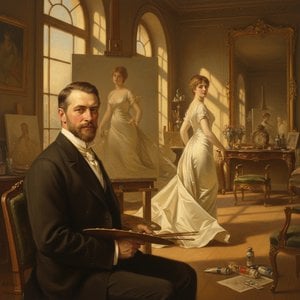
Discover the luminous mastery of John Singer Sargent. Explore an expert analysis of his legendary light, Gilded Age elegance, and technical brilliance, perfect for fine art enthusiasts seeking to bring timeless classical beauty into their modern collections.

Immerse yourself in the dramatic beauty of Romantic Realism. Explore 10 iconic masterpieces, uncovering the stories and techniques behind these timeless works. Find museum-quality art reproductions to elevate your decor. Discover all masterpieces on WahooArt.com

Explore the profound depth of Social Realism through a curated journey of masterpieces depicting human struggle. Discover how legendary artists used light and texture to capture the dignity of the working class and the enduring weight of the human condition.

Journey through history with 10 iconic Academic Realism masterpieces. Explore the legendary techniques and stories behind these timeless oil paintings. Find museum-quality art reproductions and elegant decor inspiration at WahooArt.com. Discover all masterpieces on WahooArt.com.

 წინასწარი ნახვა
 გაგზავნა
 გაზიარება
 დეტალები

 ჩამოტვირთვა
 მსგავსები
 რენტგენოგრაფიული კვლევა
 სლაიდშოუ
 გადასართად დაწვრილებით ნახეთ







 მინის ჩარჩოს არჩევანი ხელმისაწვდომია მხოლოდ 110 სმ-ზე ნაკლები ზომისთვის


