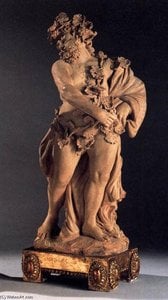
Pieter Xavery, 1647 – 1674

Pieter Xavery ტიურები: 7 ყველაზე ცნობილი ნამუშწევრა, დახარისხებული

Pieter Xavery-ის ყველაზე ცნობილი ნამუშწაროა Hurdy-Gurdy Player (1673), რომელიც Rijksmuseum-ში, ამსტერდამი-ში მდებარეობს. Faun (1671)-ით და Bacchus (1671)-ით, იგი ასრულებს სამი ნამუშევრისგან შემდგარ სამეულს, რომელსაც ყველა ცნობს. ჩვენს კატალოგში წარმოდგენილია Pieter Xavery-ის 7 ნამუშწარ unexpectedly; ქვემოთ მოცემული 7 ნამუშწარები კი ისენია, რომლებსაც მსოფლიო ყველაზე მეტად აკვირდება — თითოეული მათგანი წარმოდგენილია წელით, მუზეუმით, სადაც ის იმყოფება და მისი მნიშვნელობით.

რეიტინგი დადგენილია ჩვენი პოპულარობის ქულებით, რომელიც აერთიანებს თითოეული ნამუშწარების ძიების, ნახვებისა და შეკვეთების რაოდენობას. განახლებულია ოქტომბერი 2026. ამ გვერდზე წარმოდგენილი ყველა შედევრი შეგიძლიათ შეუკვეთოთ, როგორც მუზეუმის ხარისხის, ხელით შესრულებული ზეთწ후იანი რეპროდუქცია, ისე მხატვრული ბეჭდვა თქვენთვის სასურველი ზომის.

Pieter Xavery პორტრეტი
Pieter Xavery · 1647 – 1674
და lahir · died
1647 – 1674, Antwerp
ნამუშევრები ჩვენს კატალოგში
7
ყველაზე ცნობილი
Hurdy-Gurdy Player (1673)
ყველაზე მეტი ნამشევრი [at]
Rijksmuseum

Pieter Xavery-ის 10 ყველაზე ცნობილი ნამუშწარები

Hurdy-Gurdy Player (1673) ავტორის: Pieter Xavery
1

Hurdy-Gurdy Player

1673 · Rijksmuseum, ამსტერდამი

Pieter Xavery’s “Hurdy-Gurdy Player,” created around 1673, isn't merely a sculpture; it’s a window into the soul of seventeenth-century Dutch artistic expression. Housed prominently at the Rijksmuseum in Amsterdam, this terracotta masterpiece exemplifies genre sculpture—a stylistic trend that sought to depict everyday life with remarkable realism and often imbued with subtle humor or social commentary.

ხელით ნაკletი ზეთისფერი რეპროდუქცია: $181 32 × 32 cm

სად ნახოთ Pieter Xavery-ის ნახატები

ამ გვერდზე წარმოდგენილი მხატვრობის შედეგების უმეტესობას 2 მუზეუმი ინახავს.

მუზეუმი ქალაქი Pieter Xavery შემოქმედებაలు ამ სიიდან მოპოვებული ნახატები
Rijksmuseum, ამსტერდამიRijksmuseum ამსტერდამი 2 Hurdy-Gurdy Player, Two Laughing Jesters
Museum Meermanno-Westreenianum, The HagueMuseum Meermanno-Westreenianum The Hague 1 Bacchanal

Pieter Xavery-ის ყველაზე ცნობილი სურათები, წლების მიხედვით

Pieter Xavery-ის ისტორიული ნამუშევრები მოიცავს 3 წელიწადს, 1671-დან 1673-მდე: წარმოგიდგენთ თითოეული მათგანის ყველაზე ცნობილ ნახატებს.

  1. 1671
    Faun (1671) ავტორის: Pieter Xavery
    # 2 / 7 ადგილটি

    Faun

    나س 24 წელი
  2. 1671
    Bacchus (1671) ავტორის: Pieter Xavery
    ნომერი 3 7-დან

    Bacchus

    나س 24 წელი
  3. 1671
    Bacchanal (1671) ავტორის: Pieter Xavery
    4 7-დან

    Bacchanal

    나س 24 წელი · Museum Meermanno-Westreenianum
  4. 1673
    Hurdy-Gurdy Player (1673) ავტორის: Pieter Xavery
    1 7-დან

    Hurdy-Gurdy Player

    나س 26 წელი · Rijksmuseum

    Pieter Xavery’s “Hurdy-Gurdy Player,” created around 1673, isn't merely a sculpture; it’s a window into the soul of seventeenth-century Dutch artistic expression. Housed prominently at the Rijksmuseum in…

  5. 1673

კითხვები Pieter Xavery-ის ნახატებზე

რა არის Pieter Xavery-ის ყველაზე ცნობილი ნახატი?აჩვენეთ პასუხი

Hurdy-Gurdy Player (1673), Rijksmuseum, ამსტერდამი. შემდეგ მოჰყვება Faun (1671) და Bacchus (1671).

რამდენage იყო Pieter Xavery, როდესაც Hurdy-Gurdy Player დაიწერა?აჩვენეთ პასუხი

26 წლის: Hurdy-Gurdy Player შექმნილია 1673 წელს, ხოლო Pieter Xavery დაიბადა 1647 წელს.

რამდენი ტილო შექმნა Pieter Xavery-მა?აჩვენეთ პასუხი

ჩვენს კატალოგში წარმოდგენილია 7 ნამشევრი Pieter Xavery-ის შემოქმედები, დათარიღებული 1671-დან 1673-მდე.

სად არის Pieter Xavery-ის ყველაზე ცნობილი სურათები?აჩვენეთ პასუხი

მათგან უმეტესობა Rijksmuseum (ამსტერდამი) და Museum Meermanno-Westreenianum (The Hague)-ში მდებარეობს. ზემოთ მოცემულ ცხრილში მუზეუმები დალაგებულია სათითაოდ.

როდის შექმნა Pieter Xavery-მა ყველაზე ცნობილი ნამუშევრები?აჩვენეთ პასუხი

1671-ში: ამ გვერდზე წარმოდგენილი 7 ნამსთქედან 3 შექმნილია ამ პერიოდში, მათ შორის Faun.

რა არის Pieter Xavery-ის ყველაზე ადრეული და ყველაზე ბოლო ცნობილი ნამუშწარები?აჩვენეთ პასუხი

ამ გვერდზე ყველაზე ადრეული არის Faun (1671), ხოლო ყველაზე გვიანდელი — Hurdy-Gurdy Player (1673).

რომელი Pieter Xavery-ის ტილოების ნახვა შემიძლია Rijksmuseum-ში?აჩვენეთ პასუხი

Hurdy-Gurdy Player და Two Laughing Jesters არის 2 ნამუშწარwerksიდან ერთ-ერთი, რომელიც ამ გვერდზე Rijksmuseum, ამსტერდამი-ის მფლობელობაშია.

შეიძლება თუ არა Pieter Xavery-ის ნახატის რეპროდუქციის შეძენა?აჩვენეთ პასუხი

დიახ. ამ გვერდზე წარმოდგენილი ყველა სურათის შეკვეთა შესაძლებელია მუზეუმის ხარისხის, ხელით შესრულებული ზეთისებრი რეპროდუქცია ან მხატვრული ბეჭდვა თქვენთვის სასურველი ზომით, სურათის საკუთარი გვერდიდან.

Pieter Xavery-ის შესახებ

The Enigmatic Spirit of Pieter Xavery

Pieter Xavery, a name that dances on the lips of art historians and whispers tales of Antwerp’s vibrant Baroque era, remains an enigmatic figure despite the considerable scholarship devoted to his oeuvre. Born in Antwerp around 1647, Xavery ascended to prominence as an artist whose creations captured not merely visual beauty but also the intoxicating spirit of hedonistic celebration and mythological grandeur. While the precise details of his early life remain shrouded in the mists of the seventeenth century, his artistic journey unfolded against the backdrop of Antwerp’s flourishing milieu, a place where the legacies of masters like Rubens and Rembrandt loomed large. Xavery’s work reflects a profound understanding of dramatic lighting and expressive textures, qualities that would become hallmarks of his distinctive style as he navigated the transition between the Flemish tradition and the burgeoning artistic currents of the Dutch Republic.

His formative years were deeply shaped by the grandeur of Flemish Baroque painting. Immersed in an environment where classical ideals met a commitment to portraying figures with psychological depth, Xavery developed a mastery over form and emotion. This exposure instilled in him a deep appreciation for the interplay of light and shadow, a technique that allowed him to elevate even the most mundane subjects to levels of profound emotional resonance. Whether working in the medium of sculpture or exploring the nuances of genre scenes, his hand was guided by a desire to capture the very essence of human experience, often imbuing his subjects with a subtle sense of humor or a poignant, quiet contemplation.

Mastery of Form and the Baroque Vision

Xavery's fame rests primarily on his ability to breathe life into clay and canvas through scenes of intense vitality. His depictions of bacchanalia—frenzied feasts celebrating Dionysus, the god of wine and ecstasy—pulsate with an almost palpable energy. These works are populated by figures draped in opulent robes, engaged in boisterous revelry and illuminated by shafts of dramatic light that pierce through the composition. Yet, Xavery was equally compelling when turning his gaze toward the everyday. His genre scenes serve as snapshots of life, rendered with meticulous detail and a remarkable realism that sought to find the extraordinary within the ordinary.

In his sculptural achievements, particularly in terracotta, Xavery demonstrated an exceptional ability to render texture and movement. A prime example is his "Hurdy-Gurdy Player," a masterpiece housed in the Rijksmuseum. In this work, the artist moves away from heroic or mythological deities to focus on the quiet, introspective moment of an ordinary craftsman. Through the skillful manipulation of terracotta, he captured the folds of clothing and the focused expression of the musician, creating a window into the soul of seventeenth-century life. This dedication to authenticity—capturing the weight of labor and the solitude of the individual—marks him as a significant contributor to the evolution of genre art.

Legacy and Historical Significance

The historical significance of Pieter Xavery lies in his role as a bridge between the exuberant Flemish Baroque and the more intimate, observational style of the Dutch Golden Age. His movement from Antwerp to Leiden, where he studied mathematics and continued his artistic pursuits, illustrates the fluid nature of artistic influence during this period. While much of his life remains a mystery, the surviving fragments of his genius—ranging from the poignant monochrome "Figure of a Beggar" to the lively "Two Laughing Jesters"—speak to an artist who was unafraid to explore the full spectrum of human emotion, from the heights of ecstasy to the depths of melancholy.

To study Xavery is to encounter the very heartbeat of the Baroque era. His works remain vital testaments to a time when art was used to celebrate both the divine and the deeply human. Through his mastery of light, his command of texture, and his ability to find narrative in a single gesture, Pieter Xavery ensured that his name would continue to resonate within the halls of art history, reminding us of the enduring power of the captured moment.