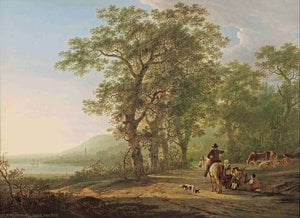
იაკობ ვან სტრი დორდრეხელი, 1756 – 1815

იაკობ ვან სტრი დორდრეხელი ტიურები: 40 ყველაზე ცნობილი ნამუშწევრა, დახარისხებული

იაკობ ვან სტრი დორდრეხელი-ის ყველაზე ცნობილი ნამუშწაროა The yacht of the Chamber of Rotterdam for the Dutch East India Company salutes an East-Indiaman and a Dutch man-of-war on the roadstead of Hellevoetsluis., რომელიც როტერდამის საზღვაო მუზეუმი-ში, როტერდამი-ში მდებარეობს. Landscape with Cattle (1800)-ით და Dutch River landscape with cows (1781)-ით, იგი ასრულებს სამი ნამუშევრისგან შემდგარ სამეულს, რომელსაც ყველა ცნობს. ჩვენს კატალოგში წარმოდგენილია იაკობ ვან სტრი დორდრეხელი-ის 41 ნამუშწარ unexpectedly; ქვემოთ მოცემული 40 ნამუშწარები კი ისენია, რომლებსაც მსოფლიო ყველაზე მეტად აკვირდება — თითოეული მათგანი წარმოდგენილია წელით, მუზეუმით, სადაც ის იმყოფება და მისი მნიშვნელობით.

რეიტინგი დადგენილია ჩვენი პოპულარობის ქულებით, რომელიც აერთიანებს თითოეული ნამუშწარების ძიების, ნახვებისა და შეკვეთების რაოდენობას. განახლებულია ოქტომბერი 2026. ამ გვერდზე წარმოდგენილი ყველა შედევრი შეგიძლიათ შეუკვეთოთ, როგორც მუზეუმის ხარისხის, ხელით შესრულებული ზეთწ후იანი რეპროდუქცია, ისე მხატვრული ბეჭდვა თქვენთვის სასურველი ზომის.

იაკობ ვან სტრი დორდრეხელი პორტრეტი
იაკობ ვან სტრი დორდრეხელი · 1756 – 1815
და lahir · died
1756 – 1815, დორდრეხტი
ნამუშევრები ჩვენს კატალოგში
41
ყველაზე ცნობილი
The yacht of the Chamber of Rotterdam for the Dutch East India Company salutes an East-Indiaman and a Dutch man-of-war on the roadstead of Hellevoetsluis.
ყველაზე მეტი ნამشევრი [at]
Dordrechts Museum

იაკობ ვან სტრი დორდრეხელი-ის 10 ყველაზე ცნობილი ნამუშწარები

The yacht of the Chamber of Rotterdam for the Dutch East India Company salutes an East-Indiaman and a Dutch man-of-war on the roadstead of Hellevoetsluis. ავტორის: იაკობ ვან სტრი დორდრეხელი
1

The yacht of the Chamber of Rotterdam for the Dutch East India Company salutes an East-Indiaman and a Dutch man-of-war on the roadstead of Hellevoetsluis.

Introduction Jacob van Strij Dordrecht was a Dutch painter, printmaker, and draftsman born in 1756. He was known for his landscapes, maritime scenes, and portraits. One of his most famous works is "The Yacht of the Chamber of Rotterdam for the Dutch East India Company Salutes an East-Indiaman and a Dutch Man-of-War on the Roadstead of Hellevoetsluis." Historical Context During the 17th century, the Dutch East India Company (VOC) was…

ხელით ნაკletი ზეთისფერი რეპროდუქცია: $181 40 × 25 cm
Landscape with Cattle (1800) ავტორის: იაკობ ვან სტრი დორდრეხელი
2

Landscape with Cattle

Landscape with Cattle is an artwork by Jacob van Strij. The painting was created probably ca. 1800. This work is an oil on wood composition that measures 80 x 107.3 cm. The artist, Jacob van Strij, was born in Dordrecht, Dutch Republic, and lived from 2 October 1756 to 4 February 1815.

ხელით ნაკletი ზეთისფერი რეპროდუქცია: $181 37 × 27 cm ორიგინალის ზომის $411 107 × 80 cm შეუკვეთეთ ორიგინალი ზომით →
Equestrian Portrait of Cornelis (1639–1680) and Michiel Pompe van Meerdervoort (1638–1653) with Their Tutor and Coachman ("Starting for the Hunt") (1794) ავტორის: იაკობ ვან სტრი დორდრეხელი
4

Equestrian Portrait of Cornelis (1639–1680) and Michiel Pompe van Meerdervoort (1638–1653) with Their Tutor and Coachman ("Starting for the Hunt")

1794 · Dordrechts Museum, Dordrecht
ხელით ნაკletი ზეთისფერი რეპროდუქცია: $231 37 × 27 cm ორიგინალის ზომის $392 91 × 69 cm შეუკვეთეთ ორიგინალი ზომით →

იაკობ ვან სტრი დორდრეხელი, ნახატები 11-დან 40-მდე

თემატიკა, რომელსაც იაკობ ვან სტრი დორდრეხელი ყველაზე ხშირად ხატავდა

ამ შედევრებს შორის ყველაზე ხშირადმომხატნავი ოთხი თემა და თითოეული მათგანის საუკეთესო მაგალითი.

სად ნახოთ იაკობ ვან სტრი დორდრეხელი-ის ნახატები

ამ გვერდზე წარმოდგენილი მხატვრობის შედეგების უმეტესობას 8 მუზეუმი ინახავს.

მუზეუმი ქალაქი იაკობ ვან სტრი დორდრეხელი შემოქმედებაలు ამ სიიდან მოპოვებული ნახატები
Dordrechts Museum, DordrechtDordrechts Museum Dordrecht 17 Equestrian Portrait of Cornelis (1639–1680) and Michiel Pompe van Meerdervoort (1638–1653) with Their Tutor and Coachman ("Starting for the Hunt"), Winter Landscape with Children on the Ice under a Bridge, Mountainous Landscape with River
Rijksmuseum, ამსტერდამიRijksmuseum ამსტერდამი 5 Landscape with Cows near a Ruin, Landscape with a Shepherd, Landscape with cattle driver and shepherd.
მეტროპოლიტენის ხელოვნების მუზეუმი, ნიუ-იორკიმეტროპოლიტენის ხელოვნების მუზეუმი ნიუ-იორკი 2 Landscape with Cattle, Landscape with Cattle
ვარშავის ეროვნული მუზეუმი, ვარშავავარშავის ეროვნული მუზეუმი ვარშავა 2 Pastoral scene, Pastoral scene
როტერდამის საზღვაო მუზეუმი, როტერდამიროტერდამის საზღვაო მუზეუმი როტერდამი 1 The yacht of the Chamber of Rotterdam for the Dutch East India Company salutes an East-Indiaman and a Dutch man-of-war on the roadstead of Hellevoetsluis.
National Museum in Kraków, კრაკოვიNational Museum in Kraków კრაკოვი 1 Cows at Pasture
Rijksmuseum Twenthe, EnschedeRijksmuseum Twenthe Enschede 1 Meadow Landscape with Cattle
ამსტერდამის მუზეუმი, ამსტერდამიამსტერდამის მუზეუმი ამსტერდამი 1 Cattle resting on a bank

იაკობ ვან სტრი დორდრეხელი-ის ყველაზე ცნობილი ნამუშწაროები ყოველი ათწლეულისთვის

  1. 1780s
  2. 1790s
  3. 1800s
    Landscape with Cattle (1800) ავტორის: იაკობ ვან სტრი დორდრეხელი
    2 40-დან

    Landscape with Cattle

    나س, 44 – 53 წელი · მეტროპოლიტენის ხელოვნების მუზეუმი

    Landscape with Cattle is an artwork by Jacob van Strij. The painting was created probably ca. 1800. This work is an oil on wood composition that measures 80…

  4. 1810s

კითხვები იაკობ ვან სტრი დორდრეხელი-ის ნახატებზე

რა არის იაკობ ვან სტრი დორდრეხელი-ის ყველაზე ცნობილი ნახატი?აჩვენეთ პასუხი

The yacht of the Chamber of Rotterdam for the Dutch East India Company salutes an East-Indiaman and a Dutch man-of-war on the roadstead of Hellevoetsluis., როტერდამის საზღვაო მუზეუმი, როტერდამი. შემდეგ მოჰყვება Landscape with Cattle (1800) და Dutch River landscape with cows (1781).

რა არის იაკობ ვან სტრი დორდრეხელი-ის 10 საუკეთესო ნამი?აჩვენეთ პასუხი

The yacht of the Chamber of Rotterdam for the Dutch East India Company salutes an East-Indiaman and a Dutch man-of-war on the roadstead of Hellevoetsluis., Landscape with Cattle, Dutch River landscape with cows, Equestrian Portrait of Cornelis (1639–1680) and Michiel Pompe van Meerdervoort (1638–1653) with Their Tutor and Coachman ("Starting for the Hunt"), Cows at Pasture, Meadow Landscape with Cattle, Winter Landscape with Children on the Ice under a Bridge, Mountainous Landscape with River, Summer Landscape outside Dordrecht და Harbor View with Ships in Calm Water near a Quay. ზემოთ მოცემული რეიტინგი მიუთითებს თითოეულის შექმნის წელსა და მუზეუმს.

რამდენი ტილო შექმნა იაკობ ვან სტრი დორდრეხელი-მა?აჩვენეთ პასუხი

ჩვენს კატალოგში წარმოდგენილია 41 ნამشევრი იაკობ ვან სტრი დორდრეხელი-ის შემოქმედები, დათარიღებული 1781-დან 1810-მდე.

სად არის იაკობ ვან სტრი დორდრეხელი-ის ყველაზე ცნობილი სურათები?აჩვენეთ პასუხი

მათგან უმეტესობა Dordrechts Museum (Dordrecht), Rijksmuseum (ამსტერდამი) და მეტროპოლიტენის ხელოვნების მუზეუმი (ნიუ-იორკი)-ში მდებარეობს. ზემოთ მოცემულ ცხრილში მუზეუმები დალაგებულია სათითაოდ.

როდის შექმნა იაკობ ვან სტრი დორდრეხელი-მა ყველაზე ცნობილი ნამუშევრები?აჩვენეთ პასუხი

1790s-ში: ამ გვერდზე წარმოდგენილი 40 ნამსთქედან 9 შექმნილია ამ პერიოდში, მათ შორის Equestrian Portrait of Cornelis (1639–1680) and Michiel Pompe van Meerdervoort (1638–1653) with Their Tutor and Coachman ("Starting for the Hunt").

რა არის იაკობ ვან სტრი დორდრეხელი-ის ყველაზე ადრეული და ყველაზე ბოლო ცნობილი ნამუშწარები?აჩვენეთ პასუხი

ამ გვერდზე ყველაზე ადრეული არის Dutch River landscape with cows (1781), ხოლო ყველაზე გვიანდელი — Landscape with River and Trees in the Vicinity of Dordrecht (1810).

რა თქვა იაკობ ვან სტრი დორდრეხელი-მა ყველაზე ხშირად?აჩვენეთ პასუხი

Landscape (6), Animals (4) და Dutch landscape (2), ამ გვერდზე წარმოდგენილი 40 ნამუშწაროდან.

რა ტექნიკას იყენებდა იაკობ ვან სტრი დორდრეხელი ყველაზე ხშირად?აჩვენეთ პასუხი

Oil On Canvas: 3 40 ნამუშწაროსგან ამ გვერდზე.

რომელი იაკობ ვან სტრი დორდრეხელი-ის ტილოების ნახვა შემიძლია Dordrechts Museum-ში?აჩვენეთ პასუხი

Equestrian Portrait of Cornelis (1639–1680) and Michiel Pompe van Meerdervoort (1638–1653) with Their Tutor and Coachman ("Starting for the Hunt"), Winter Landscape with Children on the Ice under a Bridge და Mountainous Landscape with River არის 17 ნამუშწარwerksიდან ერთ-ერთი, რომელიც ამ გვერდზე Dordrechts Museum, Dordrecht-ის მფლობელობაშია.

შეიძლება თუ არა იაკობ ვან სტრი დორდრეხელი-ის ნახატის რეპროდუქციის შეძენა?აჩვენეთ პასუხი

დიახ. ამ გვერდზე წარმოდგენილი ყველა სურათის შეკვეთა შესაძლებელია მუზეუმის ხარისხის, ხელით შესრულებული ზეთისებრი რეპროდუქცია ან მხატვრული ბეჭდვა თქვენთვის სასურველი ზომით, სურათის საკუთარი გვერდიდან.

იაკობ ვან სტრი დორდრეხელი-ის შესახებ

The Master of Winter’s Embrace: The Life and Legacy of Jacob van Strij

In the quiet, frost-touched landscapes of the late eighteenth century, few artists captured the ephemeral beauty of the Dutch seasonal cycle as poignantly as Jacob van Strij. Born in the historic city of Dordrecht on October 2, 1756, Van Strij was a painter whose soul seemed inextricably linked to the atmospheric shifts of the Netherlands. He emerged from a lineage of artistic devotion, the son of Leendert van Strij, a respected painter and draftsman who provided his early education. This familial foundation, combined with the presence of his brother Abraham—a founding member of the prestigious Pictura Dordrecht drawing society—ensured that Jacob’s upbringing was steeped in the rigorous traditions of Dutch visual artistry.

His journey toward artistic maturity took him beyond the borders of his homeland to the vibrant academic atmosphere of Antwerp. Between 1774 and 1776, Van Strij attended the classes of Andries Cornelis Lens at the Academy of Fine Arts. It was during this formative period that his technical prowess began to coalesce with a profound sensitivity to light. Under the guidance of such mentors, he mastered the classical principles of composition and the delicate interplay of shadow, skills that would later allow him to breathe life into the frozen rivers and misty pastures that became his hallmark.

A Vision Rooted in the Golden Age

While Van Strij lived and worked during the transition from the late Baroque to the early Rococo era, his artistic heart remained anchored in the reverence of the Dutch Golden Age. He looked backward to the masters of the seventeenth century to find a way forward, drawing immense inspiration from the atmospheric perspective of Aelbert Cuyp and the dramatic chiaroscibility of Rembrandt van Rijn. This connection to the past is evident in his ability to manipulate light, using it not merely as an illumination of form, but as a vessel for emotion and seasonal mood.

His oeuvre is characterized by a remarkable versatility in subject matter, though he is most celebrated for specific genres that evoke a sense of timeless tranquility:

  • Winter Landscapes: Perhaps his most enduring contribution, these works capture the stillness of a world blanketed in snow, where the biting cold is softened by the warmth of subtle, glowing light.
  • Marine Paintings: Demonstrating a keen eye for the maritime heritage of the Netherlands, he rendered the movement of water and the majesty of vessels with great precision.
  • Pastoral Scenes: His depictions of cattle, shepherds, and rural life reflect a deep respect for the rhythms of nature and the quiet dignity of the countryside.

Artistic Achievement and Historical Significance

Beyond his technical skill as a painter, printmaker, and draftsman, Jacob van Strij was regarded by his contemporaries as a man of great intellect and culture. He was a well-read individual who contributed to the intellectual life of Dordrecht, delivering lectures at the Teekengenootschap Pictura on the complexities of mythology and the enduring brilliance of the Old Masters. This duality—the meticulous observer of nature and the scholarly custodian of art history—allowed him to create works that were both visually captivating and intellectually grounded.

Though his life ended in 1815, Van Strij’s influence persists through the many collections that house his treasures, from the Dordrechts Museum to the Smithsonian American Art Museum. His ability to transform a simple landscape into a profound meditation on light and season ensures his place in the canon of Dutch art. He did not merely paint what he saw; he painted the feeling of the wind, the weight of the snow, and the enduring peace of the Dutch landscape, leaving behind a legacy that continues to evoke a sense of wonder in all who behold it.