

響き渡る宮殿:美術史博物館に刻まれた不朽の遺産を紐解く
ウィーンの美術史博物館(KHM)の壮大な入り口に足を踏み入れることは、まるで数世紀前へとタイムスリップするかのようです。そこは、帝国の威厳の残響と、芸術の巨匠たちが残した筆致が溶け合う領域です。単なる傑作の収蔵庫という枠を超え、この壮麗な機関――まさに「響き渡る宮殿」――は、ヨーロッパ文化の魂そのものを巡る没入型の旅へと誘います。それはハプスブルク家の野心と庇護の証でもあります。比類なきコレクションを一般に公開するために1871年に設立されて以来、この博物館は歴史的な重要性と現代的な関わりをシームロスのように融合させ、活気ある文化の拠点へと進化を遂げてきました。ゴットフリート・ゼムパーとカール・ハーゼナウアーによって設計されたウィーン・バロック建築の息を呑むような傑作である建物そのものも、単なる美しい外殻ではありません。それは王朝の権力と遺産を意図的に具現化したものであり、内部に秘められた至宝を映し出す、石に刻まれた宣言なのです。
美術史博物館の建築的な物語は、その芸術的な使命と切り離すことができません。重厚な砂岩で造られた左右対称のファサードは、即座に古典的な調和を感じさせ、高くそびえる八角形のドームが王者のような権威をもって構造物に冠を授けています。一歩足を踏み入れれば、豪華に装飾された世界が広がります。華麗なシャンデリアの光の下で大理石の床は輝き、壁面にはスタッコ装飾が舞い、至る所に金箔が煌めいています。しかし、その絢爛豪華な表面の奥底には、深い意図が隠されています。それは、帝国の至宝へのアクセスを民主化し、ウィーンのすべての市民に開放することでした。この文化的な寛大さは当時において革命的な出来事であり、私的なコレクションを公共の財産へと変貌させ、ウィーンのアイデンティティの礎としての博物館の役割を確固たるものにしたのです。クリムトやその同時代の画家たちによる絵画で彩られた大階段は、これから出会う芸術的富への魅力的なプレビューであり、博物館の膨大な所蔵品への力強い序曲として機能しています。建物の圧倒的なスケールと細部まで行き届いた装いが見事に融合し、西洋美術史を形作ってきた作品群に立ち向かうための、畏敬の念を呼び起こす舞台が整えられています。
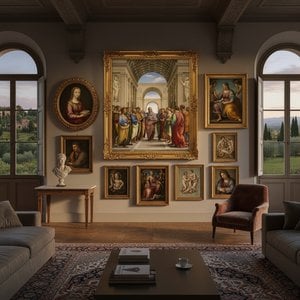
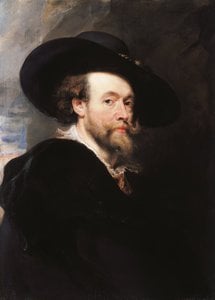
- ルネサンスの啓示: 絵画ギャラリーでは、ラファエロの「聖母」たちの輝きに瞬時に圧倒されます。その穏やかな優雅さと理想化された美しさは、盛期ルネサンス美術の頂点を体現しています。その傍らでは、レンブラントの肖像画が、光と影の見事な使い分けを通じて人間の心理の複雑さを捉え、全く異なる、しかし同様に抗いがたい体験をもたらします。静かな日常風景で親密さを呼び起こすフェルメールや、ダイナミックな構図がエネルギーと感情に満ち溢れるルーベンスといったオランダの巨匠たちも等しく紹介されており、黄金時代の芸術的感性を垣間見せてくれます。
- 古代の驚異: ヨーロッパの境界を越えて進むと、美術史博物館が誇る古代エジプトのコレクションは、真に畏怖の念を抱かせる壮観な光景です。複雑なヒエログリフで飾られた石棺がミイラを見守り、威厳ある彫像は神聖な力を体現し、貴金属や宝石で作られた煌びやかな宝飾品は、この古代文明の洗練さを物語っています。これらのオブジェクトの圧倒的なスケールと細密さは、訪れる人々を数千年前へと運び、神話と儀式に満ちた世界との深い繋がりを感じさせてくれます。
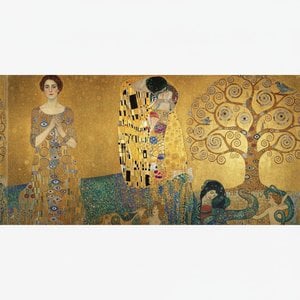
- 分離派の交響曲: 専用のウィングでは、19世紀後半から20世紀初頭にかけてのウィーンの活気ある芸術的風景を探求しています。「ウィーン 1890–1930」展は、伝統的な規範に挑戦し、モダニズムへの道を切り開いたウィーン分離派の芸術と建築における大胆な実験精神と革新性を提示しました。既存の芸術的慣習に対する失望感と、新たな表現形式を模索する渇望を反映したグスタフ・クリムト、エゴン・シーレ、オットー・ワーグナーといった芸術家たちの作品が、重要な位置を占めています。
千年のタペストリー:ヨーロッパの伝統を紡ぐ傑作たち
美術史博物館の領域は、ヨーロッパの国境を遥かに超えて広がっています。古代エジプトの遺物は、エジプト国外でも最も重要なコレクションの一つであり、訪れる人々を神々やファラオ、精緻な儀式が支配する世界へと誘います。複雑なヒエログリフが刻まれた石棺、神の力を宿した彫像、貴金属と宝石による輝かしい宝飾品、そして細心の注意を払って保存されたパピルス――そのすべてが、生と死、そして来世に対するこの古代文明の複雑な信仰を明らかにしています。また、力強い色彩と表情豊かな人物像で宗教改革時代の精神を捉えたルーカス・クラナハ(父)の肖像画は、その繊endreな美しさと捉えどころのない象徴性で人々を魅了し続けるヴェネツィアの傑作、ジョルジョーネの謎めいた「若い女性(ラウラ)」と並んで展示されています。ティツィアーンの「ジプシーの聖母」もまた、色彩と構図の熟練した技の証として、ルネサンス絵画の豊かさを伝えています。この博物館のコレクションは、まさにハプスブルク家の野心、すなわち既知の世界中の最高の芸術を収集し保存しようとする情熱を体現しているのです。
ウィーン 1890–1930:分離派の交響曲
美術史博物館は、単なる過去の展示場ではありません。それは積極的に「現在」と対話しています。近年の展覧会は、19世紀末から20世紀初頭にかけてのウィーンの鮮烈な芸術的景観を鮮やかに照らし出してきました。例えば「ウィーン 1890–1930」展では、伝統的な規範に挑み、モダニズムへの道筋をつけたウィーン分離派の芸術と建築における大胆な実験精神と革新性が示されました。この展示は、グスタフ・クリムト、エキゴン・シーレ、オットー・ワーグナーといった、既成の芸術的慣習に対する不満と新たな表現への欲求を反映した芸術家たちの影響力を浮き彫りにしました。常設コレクションと現代的な展覧会の両方を提示し続ける博物館の献身的な姿勢こそが、ここを不可欠な文化的機関たらしめているのです。
保存、革新、そして生き続ける文化の拠点
美術史博物館は、画期的な研究と保存活動を通じて、訪れる人々を常に驚かせ続けており、その至宝が次世代へと受け継がれることを確かなものにしています。専門のチームは、最新の科学技術を駆使して美術品を細部まで調査・修復し、その完全性を守り抜いています。常設コレクションの枠を超え、KHMはダイナミックに進化し続ける機関であり、真の意味で「生きている文化の拠点」です。学術的な対話を促進し、講演やワークショップ、教育プログラムを通じて芸術的創造性と文化的理解を育んでいます。保存と革新の両方に対する揺るぎないコミットメントは、ここがこれからも畏敬と驚きを与え続けることを約束しています。アーティストと皇帝たちの声が共鳴する「響き渡る宮殿」として、芸術と文化の中心地としてのウィーンの不朽の遺産を語り継いでいくのです。