

John Windassの最も有名な作品は、ヨークのヨーク・アート・ギャラリーに所蔵されているJohn Burton (1843)です。 当カタログにはJohn Windassによる1点の作品が掲載されています。以下の1点は、世界で最も注目されている作品であり、制作年、所蔵美術館、そしてその重要性についてまとめています。
各作品の検索数、閲覧数、および注文数を組み合わせた当サイトの人気スコアに基づきランキングを作成しています。最終更新:11月 2026 このページに掲載されているすべての名作は、ご希望のサイズで、美術館品質の手描き油彩複製画、またはファインアートプリントとしてご注文いただけます。

このページに掲載されている絵画を最も多く所蔵している 1 の美術館
| 美術館 | 所在都市 | John Windassの作品 | このリストの絵画 |
|---|---|---|---|
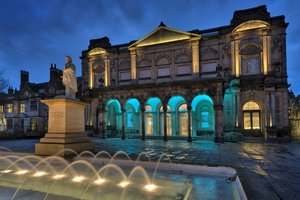 ヨーク・アート・ギャラリー |
ヨーク | 1 | John Burton |
John Burton (1843)
John Windassによる1点の作品を掲載しています。
その多くはヨーク・アート・ギャラリー (ヨーク)に所蔵されています。上記の表に各美術館を一覧で記載しています。
はい。このページに掲載されているすべての絵画は、各作品の個別ページから、ご希望のサイズで、美術館品質の手描き油彩複製画、またはファインアートプリントとしてご注文いただけます。
John Windass remains a figure defined by the specificities of Victorian portraiture. Born in York, United Kingdom, in 1843, his life and output are anchored to the regional identity of Yorkshire. He was a painter who operated within a structured social hierarchy, capturing the likenesses of those who shaped the cultural landscape of his time. His work is not a collection of abstract ideas but a record of presence, rendered in oil on canvas.
His technical approach focused on the tangible. In his most notable surviving work, he captured the likeness of John Burton, a gallery benefactor. This portrait is a study of character through physical detail, depicting a man with a bald head and a substantial beard, caught in a moment of quiet contemplation while holding a painting and smoking a long clay pipe. It is a direct, unadorned representation of a specific individual.
Windass worked primarily with oil on canvas, a medium that allowed for the heavy, textured application necessary for Victorian portraiture. His ability to render the textures of skin, hair, and fabric provided a sense of weight to his subjects. The scale of his work, such as the 113 cm by 88 cm dimensions of his portrait of Burton, suggests a commitment to life-sized, intimate encounters between the viewer and the sitter.
The nature of his output can be categorized by the following elements:
The significance of Windass lies in his role as a visual documentarian of the Victorian era. He did not seek to reinvent the medium but to master the depiction of the people who funded and frequented the art institutions of his day. His work exists in the permanent collections of the York Museums Trust, specifically within the York Art Gallery, ensuring his contribution to the visual history of York remains intact. He died in 1938, leaving behind a body of work that serves as a factual, painted record of a bygone social order.