

 Acrylic On CanvasWallArtContemporary Realism
 Contemporary
 120.0 x 120.0 cm
 トゥデイ・アート・ミュージアム
このページに掲載されている作品は著作権法によって保護されており、当社の許可なく同一の複製物を制作または販売することは法律で禁じられています。この保護は、以下のような国際条約に基づき執行されます。 ベルヌ条約 および、以下の条項に定められたものを含む各国の法律により、 米国著作権法 第17編。
この手法は、著作権で保護された作品の複製や複写を伴わないため、著作権法に完全に準拠しています。これは単なる模倣ではなく、創造的な再解釈です。元の作品からインスピレーションを受けつつも、それとは異なる、全く新しい絵画を生み出すものです。
スピーディーな制作と多彩な仕上げオプションが魅力の、ミュージアムクオリティなジークレー・キャンバスプリント。 ( 手描きの複製画を注文する デジタル画像販売へ切り替え)





























作品のオリジナル比率に合わせた、当店の規定サイズからお選びください。

額縁や壁のスペースに合わせて、ご希望の幅と高さを入力してください。プリントはカットすることは可能ですが、元の画像より大きくすることはできないため、異なる比率のサイズを選択された場合は、画像の一部が欠けることになります。印刷を開始する前に、内容を確認していただくためのデジタルモックアップをお送りいたします。このページに表示されている画像は、実際のカット後の状態を示すものではありません。実際の仕上がりはモックアップにてご確認ください。
Utopia, No.46
複製画サイズ一覧
This captivating artwork by Zhu Wei, titled ‘Utopia, No.46’, presents a scene brimming with quiet contemplation and subtle tension. Measuring 120 x 120 cm, the painting immediately draws the eye to its meticulously rendered figures – twelve individuals seated in rows, their heads bowed in what appears to be a deeply reverent gathering. The vibrant palette, dominated by rich reds punctuated by diverse clothing styles and hairstyles, creates an atmosphere both celebratory and subtly unsettling. The artist’s skillful use of color and form speaks volumes about the complexities of Chinese art during this period, reflecting a nation grappling with rapid modernization while clinging to centuries-old traditions.
Created by Zhu Wei in an unknown date, ‘Utopia, No.46’ was produced during a pivotal moment in Chinese history – the post-Tiananmen era. The artist's background as a former military artist, trained within the People’s Liberation Army Art Academy, informs his work with a nuanced understanding of state-sanctioned art and its role in shaping public perception. The scene itself can be interpreted through multiple lenses: it could represent traditional religious practices, an attempt to instill discipline and obedience, or perhaps a critique of societal conformity. The red curtains, a common element in Chinese theatre and ceremonies, further amplify the painting’s symbolic weight.
The overall effect of ‘Utopia, No.46’ is one of poignant stillness. The figures' bowed heads evoke a sense of humility, reverence, or perhaps even melancholy. The vibrant colors contrast with the subdued expressions, creating a visual tension that invites contemplation. Zhu Wei skillfully captures a moment suspended in time, prompting viewers to consider themes of faith, community, and the enduring power of tradition in a rapidly changing world. This piece is not simply a depiction; it’s an invitation to engage with profound questions about humanity's place within its own history.
Living Roomでは、Utopia, No.46はLargeのプリントサイズでの展示をおすすめします。
「Utopia, No.46」の技法はAcrylic On Canvasです。
朱偉作「Utopia, No.46」に関する統計情報は、作品の統計情報ページでご確認いただけます。こちらでは、作品の月間訪問数、アーティストの作品への訪問数、および最近の訪問者の国別・言語別の内訳をご覧いただけます。
1966年、中国・北京に生を受けた朱Wei(ジュ・ウェイ)は、急速な変貌を遂げる現代中国の風景の中で、政治や社会に対して繊細かつ批判的な眼差しを向ける、極めて重要な現代中国アーティストの一人です。彼は天安門事件後の時代における最も象徴的な表現者として知られており、伝統的な中国画への驚くべき忠実さを保ちながら、同時にその歴史的文脈に対する緻密な論評を提示しています。
朱Weiは、現代中国美術において極めて重要な地位を占めています。天安門事件の余波の中で台頭したアーティストとして、彼の作品は伝統と現代性、国家による統制と個人の表現との間の複雑な交渉を反映しています。古典的な中国画というレンズを通して届けられる政治的・社会的構造への繊細な批判は、中国の急速な変容に対して独自の視点を提供します。彼は、伝統的な芸術形式が現代の課題に対処するためにいかに力強く適応し得るかを証明しており、世界の芸術言説における不可欠な声として、その遺産を確固たるものにしています。

1966 - , 中国
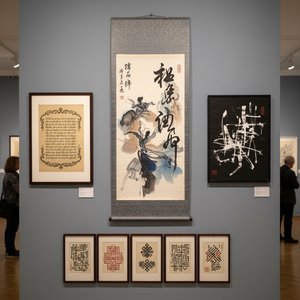
Explore the profound beauty of calligraphy art. From the fluid running script of Chinese masters to historical ink masterpieces, discover how the elegance of line transforms spaces with timeless grace and scholarly sophistication.
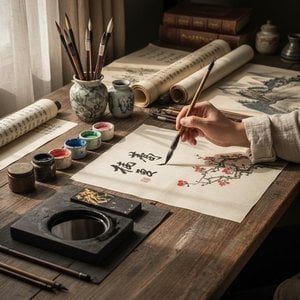
Embark on a sophisticated exploration of ink wash painting and Sumi-e. Uncover the profound historical lineages, Zen philosophies, and technical mastery behind this timeless medium in our authoritative guide for fine art enthusiasts.
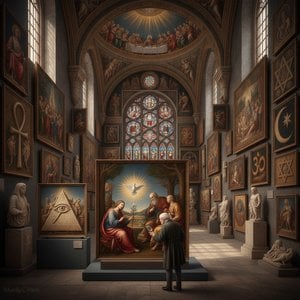
Explore the profound power of religious symbolism in art history. From Renaissance masterpieces to sacred iconography, uncover the hidden meanings behind divine details in a deep dive into classical art excellence.
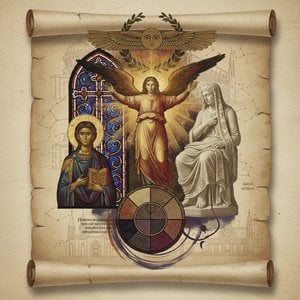
Explore the profound impact of spiritual themes in fine art. From Renaissance iconography to Baroque drama, discover how sacred symbolism and divine visions have shaped art history through a scholarly and reflective lens.

Embark on a profound journey through the soul of Chinese calligraphy. Explore the historical mastery of ink, brush, and script, from ancient Zhuanshu to elegant running script, and discover how this timeless art form reflects the enduring spirit of classical East Asian aesthetics.

 設置イメージを確認
 送る
送る シェア
シェア
 詳細情報
詳細情報 ガイドを表示

 画像をダウンロード
 似ている作品
 X線調査
X線調査 スライドショー
 統計情報
統計情報 続きを読む
続きを読む









 ガラスオプションは、110cm未満のサイズでのみご利用いただけます。


