PaintingContemporary Chinese Art
 Contemporary
 63.0 x 90.0 cm
 トゥデイ・アート・ミュージアム
当社のアーティストが、お客様のご希望のサイズと額縁に合わせて、キャンバスに手描きで制作する油彩画です。 ( プリント版に切り替え デジタル画像販売へ切り替え)





























作品のオリジナル比率に合わせた、当店の規定サイズからお選びください。

特定のフレームやスペースに合わせて、ご希望のサイズをご入力いただけます。選択されたサイズが元の画像の比率と異なる場合、アートワークをトリミングするか、手描きで要素を追加して絵画を拡張いたします。デジタルモックアップ を制作し、制作開始前にご確認(承認)をいただきます。
画面上のプレビューは、実際のトリミングや拡張を正確に反映しているものではありません。最終的な構図は、モックアップによってのみ正確にご確認いただけます。
カスタムサイズもご利用いただけますが、元の比率を維持するためには、あらかじめ用意されたリストからサイズを選択することをお勧めいたします。

China China
複製画のサイズ
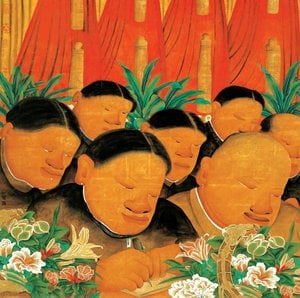
To stand before a work by Zhu Wei is to encounter not merely a painted likeness, but a carefully curated moment in the vast, churning narrative of contemporary China. This piece, capturing a man radiating an almost palpable warmth from beneath a striking red jacket, immediately draws the viewer into its orbit. The subject’s smile, directed outward as if acknowledging your very presence across the museum expanse, is both inviting and deeply guarded. It suggests a complexity—a public persona layered over private depths—that has become a hallmark of modern Chinese portraiture. Zhu Wei, whose career spans the seismic shifts of post-Tiananmen art, uses this seemingly straightforward figure to engage in a subtle, yet profound, dialogue with history and identity.
Technically, the painting showcases a remarkable dexterity. While the subject matter feels immediate and contemporary, the underlying execution hints at deep roots in Chinese artistic tradition. Zhu Wei’s background, steeped in both formal academy training and the sometimes rigid structures of state-sanctioned art, allows him to navigate these currents with an almost effortless grace. The rendering of the white collar against the vibrant red jacket is a study in contrasts—the crisp formality meeting the passionate hue. It is this tension between polished technique and underlying critical spirit that elevates the work beyond mere portraiture; it becomes a cultural artifact itself.
The choice of color, particularly that commanding red, cannot be overstated. In Chinese culture, red symbolizes joy, celebration, good fortune, and vitality. Yet, when paired with the subject's knowing expression, it takes on a more nuanced meaning—perhaps resilience, or even defiance cloaked in gaiety. The man himself, positioned so centrally within this large format (63 x 90 cm), becomes an emblem of the modern Chinese experience: outwardly vibrant and engaging, yet carrying the weight of untold stories beneath that seemingly effortless smile. It invites contemplation on what it means to present oneself to the world while navigating profound societal change.
For the collector or designer seeking a piece with genuine narrative weight, this reproduction offers an unparalleled opportunity. Owning such a work is not simply adorning a wall; it is curating a conversation. It speaks of history, of artistic endurance, and of the enduring human capacity for complex emotion. The energy emanating from the canvas—that bright, engaging smile—has the power to revitalize any space, injecting it with an intellectual spark and a touch of vibrant, sophisticated mystery that only truly great contemporary art can provide.
1966年、中国・北京に生を受けた朱Wei(ジュ・ウェイ)は、急速な変貌を遂げる現代中国の風景の中で、政治や社会に対して繊細かつ批判的な眼差しを向ける、極めて重要な現代中国アーティストの一人です。彼は天安門事件後の時代における最も象徴的な表現者として知られており、伝統的な中国画への驚くべき忠実さを保ちながら、同時にその歴史的文脈に対する緻密な論評を提示しています。
朱Weiは、現代中国美術において極めて重要な地位を占めています。天安門事件の余波の中で台頭したアーティストとして、彼の作品は伝統と現代性、国家による統制と個人の表現との間の複雑な交渉を反映しています。古典的な中国画というレンズを通して届けられる政治的・社会的構造への繊細な批判は、中国の急速な変容に対して独自の視点を提供します。彼は、伝統的な芸術形式が現代の課題に対処するためにいかに力強く適応し得るかを証明しており、世界の芸術言説における不可欠な声として、その遺産を確固たるものにしています。

1966 - , 中国

Embark on a profound journey through the soul of Chinese calligraphy. Explore the historical mastery of ink, brush, and script, from ancient Zhuanshu to elegant running script, and discover how this timeless art form reflects the enduring spirit of classical East Asian aesthetics.

Elevate your design projects with WahooArt's premium canvas prints and hand-painted reproductions. From Giclée excellence to bespoke oil commissions, we provide professional decorators with museum-quality, affordable art solutions delivered worldwide with a 100% satisfaction guarantee.


 プレビュー
プレビュー
 シェアする
シェアする シェアする
シェアする
 詳細を見る
詳細を見る

 ダウンロード
 似ている作品
 X線調査
X線調査 スライドショー
 統計情報
統計情報 詳細を見る
詳細を見る









 ガラスオプションは、110cm未満のサイズでのみご利用いただけます。