

 AcrylicWallArtEarly Renaissance
 1453
1453 37.0 x 30.0 cm
 フィラデルフィア美術館
当社のアーティストが、お客様のご希望のサイズと額縁に合わせて、キャンバスに手描きで制作する油彩画です。 ( プリント版に切り替え デジタル画像販売へ切り替え)





























作品のオリジナル比率に合わせた、当店の規定サイズからお選びください。

フレームや壁のスペースに合わせて、ご希望の幅と高さを入力してください。本作品は手描きのため、異なる比率のサイズをご希望の場合、絵画の周囲を少し広げて描くか、あるいは端を少しカットして調整することが可能です。お客様のご要望に合わせます。制作を開始する前に、仕上がりを確認するためのデジタルモックアップをお送りいたします。このページに表示されている画像は完成品の実物ではなく、あくまでモックアップによるイメージです。
The Annunciation
複製画サイズ一覧

光と影が新たな人間主義的な深みを持って舞い始めた、フィレンツェ・ルネサンスの黄金時代。その都市の芸術的な織りなすタペストリーにおいて、ザノビ・ストロッツィの名は、欠かすことのできない重要な糸として浮かび上がりました。1412年、名高いストロッツィ家に生まれたザノビの幼少期は、フィレンツェの激動する政治情勢によって形作られました。高貴な血筋に連なりながらも、彼がわずか15歳の時に父を不慮の死で亡くしたことは、彼を予期せぬ運命へと突き動かすことになります。この個人的な喪失の時期、彼はバッティスタ・ディ・ビアージョ・サングイニのもとで弟子入りするという、人生を変える転機を迎えました。この師弟関係は、彼の技術を磨き上げ、彩色写本やパネル画という繊慢な芸術を極めるために不可欠な、緻密な正確さを彼に授けることとなったのです。
ストロッツィの芸術的進化は、当時の精神的、美的な潮流と深く結びついていました。しかし、彼の最も重要な繋がりといえば、敬愛されるフラ・アンジェリコとの関係にほかなりません。この影響力のある円環の一員としての弟子であったストロッツィは、単に師の技を模倣しただけではありませんでした。彼は、自身の様式の代名詞となるような、深い献身の精神と、光り輝く色彩へのアプローチを吸収したのです。この関係は、フラ・アンジェリコ特有の天上的で神聖な光と、ストロッツィの細部への細やかなこだわりが融合する、美しい様式の収束をもたらしました。彼の作品は、彩色写本の親密で微小な世界と、宗教的な祭壇画が持つ壮大で感情豊かな存在感との架け橋となることが多々ありました。
ストロッツィの才能の幅広さは、多様な媒体を等しく優雅に操る能力に最も顕著に表れています。彼はテンペラによるパネル画の達人であり、その宗教画に見られる宝石のような鮮やかな色調を実現するためには、計り知れない忍耐と揺るぎない筆致が求められました。彼のレパートリーには、いくつかの重要な祭壇画や、見る者の深い精神的黙想を呼び起こすように設計された聖母子像の切実な描写が含まれています。これらの作品において、ストロッツィは初期フィレンツェ・ルネサンスの様式を用い、柔らかな階調と複雑な文様を駆使して信仰の物語を紡ぎ出し、聖なる人物たちに生命を吹き込みました。
大型のパネル画にとどまらず、ストロッツィは写本の彩色における貢献を通じて伝説的な地位を確立しました。小さな空間を支配する彼の能力は、息をのむほど複雑な微小世界を創り出すことを可能にしました。彼の最も顕著な芸術的成果には、以下のようなものがあります:
ザノビ・ストロッツィの歴史的な意義は、装飾的な彩色という中世の伝統と、人間の感情や自然主義に焦点を当て始めた新興のルネサンスとの間の架け橋としての役割にあります。彼の作品の多くはフィレンツェの壮麗な邸宅における私的な信心のために捧げられたものでしたが、その影響は都市の工房全体へと波及していきました。彼は、知的厳格さと感情的な親しみやすさを兼ね備えた、フィレンツェ特有の美学を広める一助となったのです。彼の筆を通じて、聖人や聖母の神聖な物語は、クアトロチェント(15世紀)の精神そのものを捉えるような明晰さと躍動感をもって描き出されました。
1468年に彼が世を去ったとき、金箔とテンペラに刻まれた遺産が残されましたが、ストロッツィは今なお、微細なものの中に深い意味を見出す芸術家の象徴であり続けています。高貴な孤児から称賛される巨匠へと至った彼の生涯は、フィレンツェそのものの変容を映し出しています。それは、過去の構造化された伝統から、光に満ちた人間中心のルネサンスの輝きへと向かう、壮大な旅路そのものなのです。

1412 - 1468 , イタリア

Embark on a visual journey through Early Medieval art. Explore the profound beauty of illuminated manuscripts, sacred symbols, and golden light through an expert historical lens, celebrating the enduring legacy of medieval craftsmanship and divine artistry.
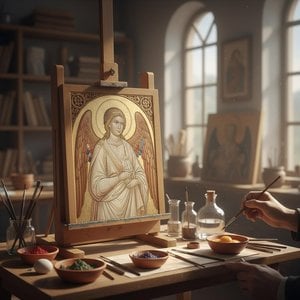
Unveil the sacred secrets of egg tempera on panel. Journey through the technical mastery and profound artistry of the Old Masters, from Giotto to Botticelli. An essential educational guide for Renaissance art enthusiasts seeking deep historical insight and expertise.

Embark on a scholarly journey through the spiritual grandeur of Late Medieval art. Discover the intricate symbolism, technical mastery, and profound religious narratives that define the Gothic era in this expert-led guide for art enthusiasts and collectors.

Embark on a scholarly journey through the sacred beauty of High Medieval art. Discover the profound symbolism, luminous iconography, and spiritual depth of Gothic masterpieces in this expert guide for classical art enthusiasts.

 設置イメージを確認
 送る
送る シェア
シェア
 詳細情報
詳細情報 ガイドを表示

 画像をダウンロード
 似ている作品
 X線調査
X線調査 スライドショー
 統計情報
統計情報 続きを読む
続きを読む









 ガラスオプションは、110cm未満のサイズでのみご利用いただけます。


