Yokuts Art: Echoes of California’s Ancient Heritage
The Yokuts people, inhabiting the San Joaquin Valley in central California for millennia, represent a vibrant thread woven into the tapestry of American art history. Before European settlement dramatically reshaped their world, these indigenous tribes cultivated a complex culture deeply intertwined with the rhythms of nature—specifically, the coyote—serving as central figures in mythology and storytelling traditions. Their artistic expression reflects this profound connection to the land and embodies a distinctive visual language that continues to inspire contemporary artists.
- Origins & Early Traditions: Yokuts communities flourished for thousands of years, characterized by decentralized social structures and diverse dialects. Their survival hinged on skillful hunting and gathering practices, fostering an intimate understanding of seasonal cycles and animal behavior.
- The Coyote Motif: The coyote held a prominent position in Yokuts cosmology, symbolizing cunning, transformation, and the duality inherent in existence. Representations of coyotes appear frequently in Yokuts art—often depicted as benevolent protectors or mischievous tricksters—underscoring themes of balance and adaptability.
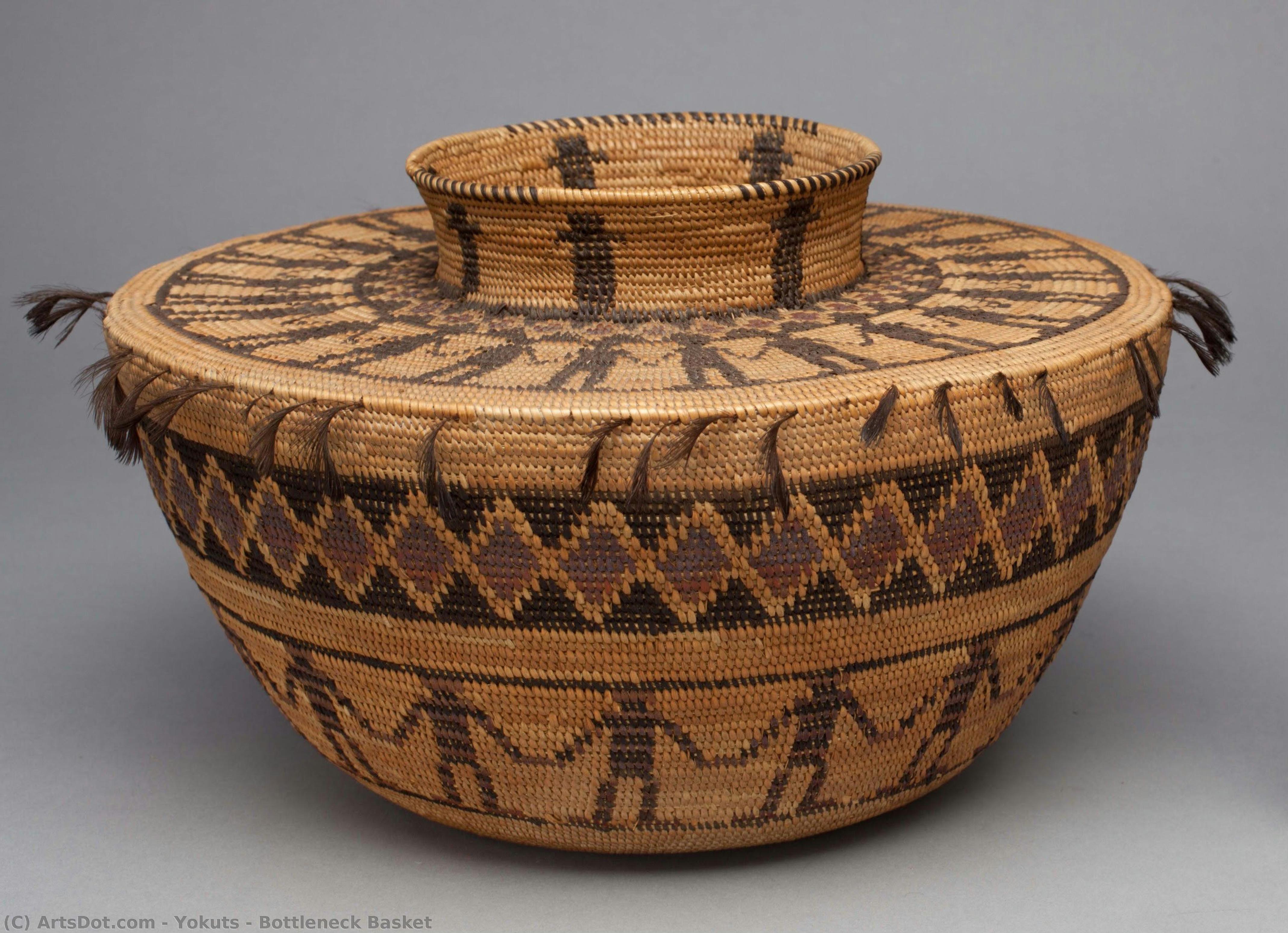
- Basketry – A Legacy of Skill: Yokuts basketry stands out as a remarkable achievement of indigenous craftsmanship. These intricately woven baskets, utilizing pliable fibers from tule reeds and yucca plants, served practical purposes for storing food and transporting goods but also functioned as canvases for elaborate geometric designs—patterns that convey symbolic meanings related to clan affiliation, seasonal events, and spiritual beliefs.
Seth Eastman’s Vision of Yokuts Life
Hudson River School painter Seth Eastman gained renown for his depictions of Native American life in the mid-19th century. His artwork, particularly “Transporting Water & Grass Seed,” captures a moment of daily activity within the Yokuts community—a woman carrying water and seeds—demonstrating Eastman’s meticulous observation of Californian landscapes and cultures. Eastman's approach prioritized accuracy and detail, aiming to document Yokuts traditions for posterity while simultaneously presenting them as subjects worthy of artistic contemplation. His paintings are considered pivotal in shaping perceptions of Native American life during this period.
- Eastman’s Technique: Eastman employed watercolor techniques—characterized by luminous washes and subtle gradations—to convey the grandeur of the San Joaquin Valley environment. He meticulously rendered textures and colors, striving to capture the essence of Yokuts daily life with remarkable realism.
- Influence & Legacy: Eastman's work profoundly impacted subsequent artistic representations of Native American subjects. It established a precedent for portraying indigenous peoples as active participants in their own environments—challenging prevailing stereotypes and fostering greater appreciation for Yokuts culture.
Contemporary Interpretations of Yokuts Art
Modern artists continue to draw inspiration from Yokuts artistic traditions, exploring themes of cultural identity, environmental stewardship, and storytelling. Contemporary Yokuts art often utilizes mixed media—incorporating textiles, ceramics, and digital imagery—to reinterpret ancestral motifs and narratives in innovative ways. These works serve as a testament to the enduring relevance of Yokuts heritage and underscore its capacity to inform artistic expression across generations.
- Exploring Symbolism: Artists revisit Yokuts geometric patterns and coyote imagery, investigating their underlying symbolic meanings—reflecting concepts of interconnectedness, resilience, and spiritual contemplation.
- Celebrating Yokuts Resilience: Contemporary artists honor the perseverance of Yokuts communities in preserving their language and traditions—acknowledging the importance of cultural continuity amidst ongoing challenges.
Yokuts Art Today
Today, approximately 5,000 Yokuts individuals reside in California, actively safeguarding their heritage. The revival of Yokuts language and crafts represents a powerful symbol of cultural revitalization—demonstrating the determination to honor ancestral traditions while embracing modern creativity. Yokuts art continues to resonate with audiences worldwide, serving as a conduit for storytelling and fostering appreciation for California’s rich indigenous past.



 プレビュー
プレビュー
 手描きの絵画を購入
 シェアする
シェアする シェアする
シェアする
 詳細を見る
詳細を見る

 ダウンロード
 似ている作品
 X線調査
X線調査 スライドショー

 詳細を見る
詳細を見る






































 ガラスオプションは、110cm未満のサイズでのみご利用いただけます。





