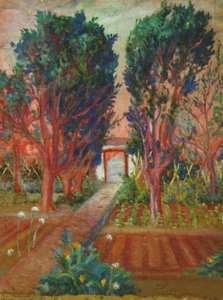
当社のアーティストが、お客様のご希望のサイズと額縁に合わせて、キャンバスに手描きで制作する油彩画です。 ( プリント版に切り替え デジタル画像販売へ切り替え)
作品のオリジナル比率に合わせた、当店の規定サイズからお選びください。

特定のフレームやスペースに合わせて、ご希望のサイズをご入力いただけます。選択されたサイズが元の画像の比率と異なる場合、アートワークをトリミングするか、手描きで要素を追加して絵画を拡張いたします。デジタルモックアップ を制作し、制作開始前にご確認(承認)をいただきます。
画面上のプレビューは、実際のトリミングや拡張を正確に反映しているものではありません。最終的な構図は、モックアップによってのみ正確にご確認いただけます。
カスタムサイズもご利用いただけますが、元の比率を維持するためには、あらかじめ用意されたリストからサイズを選択することをお勧めいたします。

Spring Here
複製画サイズ一覧

Yang Xianrang (1930-) stands as a significant figure in twentieth-century Chinese art, particularly celebrated for his evocative blockprints and poignant depictions of rural life—a genre that powerfully embodies the spirit of his generation. Born in Mouping, Shandong Province, he embarked on his artistic journey after graduating from the Central Art Academy in 1952, establishing himself as a respected voice within China’s cultural landscape. His early career was marked by roles at the People's Fine Arts Publishing House and as a researcher companion to the Ministry of Culture, experiences that undoubtedly instilled in him a deep appreciation for documenting and preserving the rich tapestry of China’s heritage.
Throughout his prolific career, Xianrang consistently championed themes of patriotism, expressed through emotionally charged brushstrokes that captured the essence of everyday life. His work is not merely aesthetically pleasing; it serves as a vital record of China's cultural traditions and societal realities during the mid-century period. He skillfully blended traditional techniques with modern sensibilities, resulting in prints and paintings imbued with both meticulous detail and profound emotional resonance. By focusing on the rhythms of the countryside and the dignity of ordinary people, he transformed the mundane into something monumental.
The depth of Xianrang’s contribution to the arts extends far beyond his personal studio practice. He was a dedicated educator who believed in the power of nurturing future generations of creators. Serving as the president and professor of the Folk Art Department at the Central Art Academy, he played a pivotal role in shaping the trajectory of Chinese visual culture. His commitment to the preservation of folk traditions was matched by his leadership within the broader artistic community.
His professional achievements reflect a lifetime of service to the arts, including notable roles such as:
Through these positions, he actively contributed to artistic discourse and worked tirelessly to further the appreciation of folk art traditions. His influence remains a cornerstone of modern Chinese printmaking and painting, as he bridged the gap between ancient craftsmanship and contemporary expression. Even today, his work continues to resonate, offering a window into a transformative era of history through the lens of a master storyteller.

1930 - , China

 設置イメージを確認
 送る
送る シェア
シェア
 詳細情報
詳細情報 ガイドを表示

 画像をダウンロード
 似ている作品
 X線調査
X線調査 スライドショー
 統計情報
統計情報

 続きを読む
続きを読む






































 ガラスオプションは、110cm未満のサイズでのみご利用いただけます。