


スピーディーな制作と多彩な仕上げオプションが魅力の、ミュージアムクオリティなジークレー・キャンバスプリント。 ( 手描き複製画を注文する デジタル画像販売へ切り替え)





























作品のオリジナル比率に合わせた、当店の規定サイズからお選びください。

額縁や壁のスペースに合わせて、ご希望の幅と高さを入力してください。プリントはカットすることは可能ですが、元の画像より大きくすることはできないため、異なる比率のサイズを選択された場合は、画像の一部が欠けることになります。印刷を開始する前に、内容を確認していただくためのデジタルモックアップをお送りいたします。このページに表示されている画像は、実際のカット後の状態を示すものではありません。実際の仕上がりはモックアップにてご確認ください。
Dolls
複製画サイズ一覧
To stand before Dolls is to step into a meticulously constructed dreamscape steeped in the exquisite sorrow of the fin de siècle. This work by Witold Wojtkiewicz is not merely a depiction of a social gathering; it is an immersion into a fragile, decadent atmosphere, one where the veneer of polite society barely conceals profound emotional disquiet. The scene unfolds within what appears to be a bourgeois sitting room, rich with the muted tones and heavy drapery characteristic of that era’s upper-class interiors. Yet, beneath the surface calm—the resting black cat, the poised tea kettle—lies an undercurrent of palpable melancholy, reminiscent of the hazy, introspective spaces favored by French Symbolists.
What immediately arrests the viewer's gaze is the nature of the figures themselves. They seem less like flesh-and-blood individuals and more like exquisitely crafted figurines or dolls. This artificial quality is central to the painting’s narrative weight. Wojtkiewicz masterfully juxtaposes these seemingly inanimate, yet strangely present, forms against the backdrop of supposed human interaction. The titular dolls in the lower register are particularly potent symbols; they appear artificially animated, feigning a mirth that rings hollow. They suggest a profound commentary on emotional performance—the masks we wear for society.
The painting pulses with layers of allusion, inviting deep contemplation from the viewer. The description hints at connections to the vibrant cultural currents of Young Poland, perhaps even echoing the presence of the Pareński family, whose friendship so deeply marked the artist’s life. These figures, whether muses or mere dolls, become vessels for unexpressed emotion—the joys and traumas that defined Wojtkiewicz's own volatile spirit. The composition is thus a poignant meditation on idealized relationships, lost affections, and the gap between outward appearance and inner turmoil.
Executed in oil on canvas, this piece showcases a technical brilliance matched only by its emotional depth. Wojtkiewicz’s ability to create an atmosphere—a palpable sense of decadence and wistful boredom—is breathtaking. The division between the upper scene of languid women and the lower tableau of dolls creates a visual dialogue: is the artificiality in the dolls merely reflecting the emotional distance among the seated ladies? For collectors and admirers of decorative art, this piece offers more than mere ornamentation; it provides an intellectual anchor to a period of intense artistic introspection. Owning a reproduction allows one to bring home not just a painting, but a carefully curated echo of fin de siècle yearning.
Witold Wojtkiewicz作「Dolls」の主色(メインカラー)はEspresso (#5a4b3b)です。
Witold Wojtkiewicz作「Dolls」の解説資料ページでは、印刷して活用できる2枚構成のファクトシートを提供しています。これには、作品の詳細をまとめたデータテーブル、アーティストの生涯における時代背景を示す年代チャート、同アーティストによる他の作品、抽出されたカラーパレット、そしてそのままコピーして使用できる4つの形式の引用文献情報が含まれています。
Witold Wojtkiewicz作「Dolls」のプリントをご希望の方は、こちらのファインアートプリントページよりご注文いただけます:コットンキャンバス、またはアーカイブ品質のキャンバスペーパーに施されたファインアートプリント。

In the twilight of the nineteenth century, amidst the vibrant yet turbulent atmosphere of Warsaw, a singular artistic voice emerged that would forever haunt the corridors of Polish art history. Witold Wojtkiewicz, born in 1879, was an artist whose brief life—spanning only thirty years—served as a profound bridge between the fading echoes of Symbolism and the burgeoning, fractured realities of Expressionism and Surrealism. Coming from a large family of eleven children, Witold’s path was not one of easy comfort; his father, a bank cashier, initially stood in opposition to his son's artistic ambitions. Yet, driven by an innate, restless creativity, Wojtkiewicz pursued his calling through the Warsaw school of drawing and later the prestigious Kraków Academy of Fine Arts, where he studied under masters like Leon Wyczółkowski.
His early years were marked by a sharp, satirical wit, often finding expression through his work as an illustrator for various periodicals. Under the pseudonym "Count Voitek," he contributed to the satirical magazine Liberum Veto and engaged deeply with the bohemian spirit of the Zielony Balonik cabaret. This period of his life was characterized by a certain playful, almost burlesque energy, reminiscent of the graphic prowess of Toulouse-Lautrec. However, beneath this surface of caricature and social commentary lay a much deeper, more unsettling preoccupation with the human condition. As he matured, his work began to shed its purely illustrative skin, evolving into something far more introspective and psychologically complex.
To step into a painting by Wojtkiewicz is to enter a dreamscape where the boundaries between childhood innocence and adult decay are perilously thin. He possessed a rare, almost supernatural ability to portray an imaginary world as tangibly real, often utilizing motifs that felt both whimsical and deeply unsettling. His canvases frequently featured children, yet these were not the idealized figures of classical tradition; instead, they appeared as small, solemn actors in a cosmic drama, often accompanied by masks, puppets, and jesters. These symbols served as vessels for his exploration of the ephemeral nature of existence and the masks we wear to navigate the complexities of reality.
As his health declined due to an incurable heart defect, a profound shift occurred in his aesthetic language. The lightheartedness of his early illustrations gave way to a much darker, more somber palette. His later works began to grapple with what scholars often call the "metaphysics of sex" and the existential weight of human suffering. There is a haunting, spectral quality to his compositions, where figures seem suspended in a state of eternal waiting or quiet mourning. This transition toward a more profound, symbolic depth solidified his reputation as a precursor to Surrealism, as he moved away from depicting external events—such as his sketches of the 1905 Warsaw Uprising—toward capturing the internal, often fractured, landscape of the subconscious.
Though Witold Wojtkiewicz passed away in 1909, leaving behind a legacy that was only fully recognized through major retrospectives decades later, his influence remains indelible. He was an artist who refused to be tethered to a single movement, instead creating a private mythology that resonated with the anxieties of the fin de siècle era. His ability to blend the grotesque with the lyrical, and the satirical with the tragic, allowed him to touch upon universal truths about the fragility of life and the persistence of memory.
The historical significance of his work lies in its prophetic nature. By exploring themes of alienation, identity, and the uncanny, he anticipated the psychological depth that would define much of twentieth-century modernism. Today, when we look upon his works—whether they be his delicate watercolors or his heavy, emotive oils—we see more than just the products of a talented painter; we see the diary of a soul that sought to find meaning in the shadows. His life, though tragically short, remains a testament to the power of art to transform personal suffering into a timeless, universal vision.

1879 - 1909 , Poland
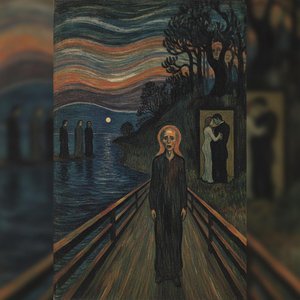
Journey through the raw emotion of Expressionism with our curated guide to Edvard Munch's top 25 masterpieces. Explore the stories behind his most iconic works and find museum-quality art reproductions for your collection. Discover all masterpieces on WahooArt.com.
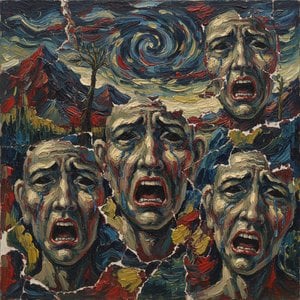
Explore the profound psychological depth of Expressionist art. From Munch to Van Gogh, discover how distorted forms and bold colors convey raw human emotion through our expert guide on this transformative movement.

Journey through the vibrant soul of abstraction with our curated guide to the top 25 Wassily Kandinsky masterpieces. Explore the stories behind his iconic colors and shapes. Find museum-quality reproductions and decor inspiration. Discover all masterpieces on WahooArt.com.

Explore the profound psychological depth of Expressionist portraiture. From Munch to Schiele, discover how distorted forms and visceral brushstrokes unmask raw human emotion in this definitive guide for art enthusiasts and collectors.

Immerse yourself in the profound emotion of Rogier van der Weyden. Explore 25 iconic Early Netherlandish masterpieces, from intricate textures to divine pathos. Find inspiration for museum-quality art reproductions and decor. Discover all masterpieces on WahooArt.com.
 設置イメージを表示
 シェアする
シェアする シェアする
シェアする
 詳細を見る
詳細を見る ガイドを表示

 ダウンロード
 似ている作品
 X線調査
X線調査 スライドショーを表示
 Q&A
Q&A
 統計情報
統計情報


 詳細を表示
詳細を表示









 ガラスオプションは、110cm未満のサイズでのみご利用いただけます。


