迅速な制作と多彩な仕上げオプションを備えた、ミュージアムクオリティのジークレーまたはキャンバスプリント。 ( 手描きの絵画を購入 デジタル画像販売へ切り替え)





























作品のオリジナル比率に合わせた、当店の規定サイズからお選びください。

特定のフレームやスペースに合わせて、ご自身でサイズを指定することも可能です。選択されたサイズが元の画像の比率と一致しない場合、作品をトリミングするか、鏡面反射または単色での塗りつぶしによって画像を拡張いたします。制作を開始する前に、ご確認用のデジタルモックアップをお送りいたします。
画面上のプレビューには、実際のトリミングや拡張は反映されませんのでご注意ください。最終的な構図を正確に確認できるのは、モックアップのみとなります。
カスタムサイズも承っておりますが、元の比率を維持するためには、あらかじめ用意されたリストからサイズを選択することをお勧めいたします。

Upland Cotton
複製画のサイズ
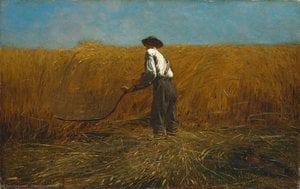
Winslow Homer's "Upland Cotton," painted in 1875, isn’t merely a depiction of agricultural labor; it’s a profound meditation on the rhythms of American life and the quiet dignity of everyday work. Emerging from a career initially rooted in the demanding world of commercial illustration for Harper’s Weekly, Homer developed an unparalleled ability to observe and translate the nuances of his surroundings onto canvas – a skill that shines brilliantly in this evocative scene. The painting captures two women engaged in the arduous task of harvesting cotton, their figures rendered with remarkable realism and imbued with a palpable sense of resilience.
The composition is masterfully balanced, drawing the eye to the central figures while simultaneously establishing a harmonious relationship between them and the expansive landscape. The women, bathed in the warm light of a sunny day, are positioned within a field of cotton trees – a detail that speaks volumes about the economic realities of rural America during the late 19th century. Homer’s use of color is particularly noteworthy; the vibrant greens and blues of the foliage contrast beautifully with the earthy tones of the women's clothing and the bleached white of the cotton itself. Scattered throughout the scene are birds, not as mere decorative elements but as symbols of freedom and a connection to the natural world – a subtle reminder that even within the demands of labor, beauty and tranquility can be found.
“Upland Cotton” exemplifies Homer's distinctive approach to painting. He employed a technique characterized by loose brushstrokes and a focus on capturing light and atmosphere. Unlike the highly polished surfaces favored by some of his contemporaries, Homer’s paintings often possess a sense of immediacy and spontaneity. This is particularly evident in the way he renders the textures of the cotton, the rough bark of the trees, and the weathered faces of the women. The watercolor-like quality of the paint application contributes to the painting's overall feeling of authenticity and intimacy, as if we’ve stumbled upon a private moment captured on canvas.
Beyond its immediate depiction of cotton harvesting, “Upland Cotton” carries a deeper symbolic weight. It reflects the realities of life for countless women in rural America during Reconstruction – a period marked by economic hardship and social upheaval. The painting subtly acknowledges their labor while simultaneously celebrating their strength and resilience. Homer’s decision to include birds within the scene is particularly significant; they represent hope, freedom, and a connection to the natural world—elements that were often threatened by the challenges faced by these communities. The work speaks to the enduring spirit of American perseverance in the face of adversity, a theme central to Homer's broader artistic vision.
A hand-painted reproduction of “Upland Cotton” offers a remarkable opportunity to bring this poignant and beautiful scene into your home or office. Its timeless appeal lies not only in its technical brilliance but also in its profound ability to evoke empathy and contemplation, reminding us of the enduring values of hard work, community, and connection to the land.


1836 - 1910 , アメリカ合衆国

Explore the profound beauty of American Realism. From Winslow Homer’s rural landscapes to the dignity of everyday life, discover how master artists captured the soul of a nation through evocative oil paintings and timeless fine art techniques.

Explore the profound beauty of American Regionalism. Delve into the art history of Grant Wood and John Steuart Curry, uncovering how these masters captured the soul of the American Heartland through iconic landscapes and rural identity.

Explore the profound impact of Regionalism in art history. Discover how iconic painters captured local identity, rural resilience, and the American heartland through evocative landscapes and social commentary in this expert-led journey through art's most soulful movement.


 プレビュー
プレビュー
 シェアする
シェアする シェアする
シェアする
 詳細を見る
詳細を見る

 ダウンロード
 似ている作品
 X線調査
X線調査 スライドショー
 統計情報
統計情報

 詳細を見る
詳細を見る









 ガラスオプションは、110cm未満のサイズでのみご利用いただけます。