作品のオリジナル比率に合わせた、当店の規定サイズからお選びください。

特定のフレームやスペースに合わせて、ご希望のサイズをご入力いただけます。選択されたサイズが元の画像の比率と異なる場合、アートワークをトリミングするか、手描きで要素を追加して絵画を拡張いたします。デジタルモックアップ を制作し、制作開始前にご確認(承認)をいただきます。
画面上のプレビューは、実際のトリミングや拡張を正確に反映しているものではありません。最終的な構図は、モックアップによってのみ正確にご確認いただけます。
カスタムサイズもご利用いただけますが、元の比率を維持するためには、あらかじめ用意されたリストからサイズを選択することをお勧めいたします。

The Wreck
複製画のサイズ
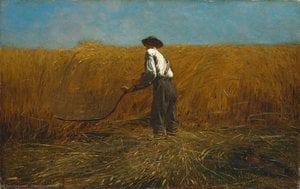
In the vast tapestry of nineteenth-century American art, few works capture the raw, unvarnished essence of the human spirit quite like Winslow Homer’s “The Wreck.” Completed in 1896, this masterpiece serves as a profound meditation on the intersection of human vulnerability and the indomitable will to endure. While many of his contemporaries sought refuge in the idealized landscapes of Romanticism, Homer turned his gaze toward the tangible, often harsh realities of life. In “The Wreck,” we are not merely observers of a coastal scene; we are witnesses to a moment of profound transition, where the aftermath of disaster meets the quiet determination of those left in its wake.
The painting presents a sweeping, panoramic vista that draws the viewer into a hillside narrative. Amidst the rugged terrain, a group of travelers—perhaps soldiers or weary adventurers—navigently traverse the landscape with heavy wagons and pack animals. The composition is masterfully orchestrated to guide the eye across this undulating terrain, where thirteen distinct figures are strategically placed to create a sense of rhythmic movement. Each figure, etched with meticulous detail, carries the weight of their journey, their faces reflecting a complex blend of apprehension and resolve. This careful arrangement transforms a static landscape into a dynamic story of survival and collective purpose.
Homer’s technical prowess is on full display through his signature use of oil on canvas, a medium he utilized to achieve an extraordinary level of textural richness. To the discerning collector or interior designer, the true magic of this piece lies in its luminous quality. Homer possessed a rare ability to manipulate light so that it seems to breathe upon the weathered surfaces of stone, wood, and fabric. The heavy, textured application of paint lends a physical weight to the wagons and a palpable grit to the earth, making the scene feel less like a distant memory and more like a living, breathing reality.
This commitment to American Realism allows the painting to transcend mere documentation. Through his painstaking attention to detail—from the subtle glint of light on a metal buckle to the weary slump of a traveler’s shoulders—Homer creates an immersive sensory experience. For those looking to adorn a space with art that commands attention, “The Wreck” offers a sophisticated interplay of earthy tones and brilliant highlights, providing a focal point that is both intellectually stimulating and visually soothing.
Beyond its breathtaking aesthetic, “The Wreck” is steeped in the symbolic anxieties of the late Victorian era. As the world grappled with rapid technological shifts and the unpredictable forces of nature, Homer’s work resonated with a deep-seated awareness of human fragility. The wreckage, though perhaps implied by the very presence of these weary travelers, serves as a powerful metaphor for the unforeseen catastrophes that disrupt our paths. Yet, the painting is far from a tragedy; it is an anthem to perseverance.
The inclusion of the horse and the heavy, laden wagons symbolizes the practical burdens of existence and the necessity of labor in the face of adversity. For the art lover, this piece offers more than just decoration; it provides a window into the American psyche—a spirit defined by movement, struggle, and an unwavering forward momentum. Bringing a high-quality reproduction of this work into a home or gallery space invites a sense of historical depth and emotional gravity, making it an incomparable choice for those who value art that speaks to the enduring strength of the human heart.


1836 - 1910 , アメリカ合衆国

Explore the profound beauty of American Realism. From Winslow Homer’s rural landscapes to the dignity of everyday life, discover how master artists captured the soul of a nation through evocative oil paintings and timeless fine art techniques.


 プレビュー
プレビュー
 プリントを購入
 シェアする
シェアする シェアする
シェアする
 詳細を見る
詳細を見る

 ダウンロード
 似ている作品
 X線調査
X線調査 スライドショー

 詳細を見る
詳細を見る









 ガラスオプションは、110cm未満のサイズでのみご利用いただけます。


![Indian Tobacco Shop Sign [reverse, Indian Facing Right] — ウィンズロー・ホマー, Contemporary Realism](/media/artworks/images-thumb/74/22/7422432cafc295265ef3b7f7fa62d35d.jpg)