Oil On CanvasWallArtAmerican Regionalism
 1869
1869 24.0 x 54.0 cm
当社のアーティストが、お客様のご希望のサイズと額縁に合わせて、キャンバスに手描きで制作する油彩画です。 ( プリント版に切り替え デジタル画像販売へ切り替え)





























作品のオリジナル比率に合わせた、当店の規定サイズからお選びください。

特定のフレームやスペースに合わせて、ご希望のサイズをご入力いただけます。選択されたサイズが元の画像の比率と異なる場合、アートワークをトリミングするか、手描きで要素を追加して絵画を拡張いたします。デジタルモックアップ を制作し、制作開始前にご確認(承認)をいただきます。
画面上のプレビューは、実際のトリミングや拡張を正確に反映しているものではありません。最終的な構図は、モックアップによってのみ正確にご確認いただけます。
カスタムサイズもご利用いただけますが、元の比率を維持するためには、あらかじめ用意されたリストからサイズを選択することをお勧めいたします。

Study for Eagle Head, Manchester, Massachusetts
複製画のサイズ
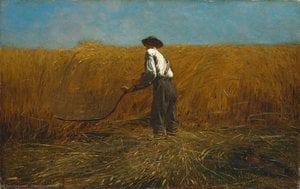
Winslow Homer's "Study for Eagle Head, Manchester, Massachusetts," a deceptively intimate oil sketch from 1869, isn’t merely a depiction of a coastal scene; it’s a profound meditation on the transient beauty of nature and the quiet dignity of human experience. Far removed from the grand narratives often associated with Homer's later works, this piece offers a glimpse into his process – a moment captured before being expanded into a more fully realized canvas. The painting immediately draws the eye to the restless energy of the Atlantic, waves crashing against the rocky shore in a froth of white foam and shadowed depths. Yet, it’s not simply a seascape; within that dynamic backdrop resides a subtle narrative, hinting at a shared experience between man and nature.
Understanding “Study for Eagle Head” requires recognizing its place within Winslow Homer's artistic journey. Initially trained as a commercial illustrator, Homer honed his observational skills and mastery of capturing fleeting moments in time. This early work, characterized by its clarity and directness, served as the foundation upon which he built his later, more ambitious landscapes. The sketch’s immediacy—the sense that it was created directly on location—reflects this formative period. It's a tangible link to his beginnings, demonstrating how his commercial training ultimately informed his artistic vision.
Historical Context:Painted during the mid-1860s, “Study for Eagle Head” emerged from a time of profound social and political upheaval in America. The Civil War had recently concluded, and the nation was grappling with issues of reconstruction and reconciliation. Homer’s work, even in this preliminary form, subtly reflects these anxieties – the power of nature as both a source of solace and a reminder of humanity's vulnerability.
Beyond its visual appeal, “Study for Eagle Head” is rich with symbolic meaning. The solitary figure on the shore—a man observing the waves—represents humanity’s relationship to nature: a mixture of awe, respect, and perhaps a touch of melancholy. The receding wave suggests both destruction and renewal, mirroring the cyclical rhythms of life itself. The composition invites contemplation; it's not an invitation to action but rather a pause for reflection on our place within the vastness of the natural world.
Reproductions of “Study for Eagle Head” offer a remarkable opportunity to bring this evocative scene into your home or office. The detail captured in the original sketch—the texture of the rocks, the movement of the water, the subtle nuances of light and shadow—is faithfully reproduced in high-quality prints. Whether displayed as a statement piece on a gallery wall or incorporated into a coastal-themed interior design scheme, this artwork will undoubtedly evoke feelings of tranquility, wonder, and connection to the natural world. Consider framing it with a simple wooden frame to complement its rustic charm, or opt for a more contemporary presentation to create a striking contrast.


1836 - 1910 , アメリカ合衆国

Explore the profound beauty of American Realism. From Winslow Homer’s rural landscapes to the dignity of everyday life, discover how master artists captured the soul of a nation through evocative oil paintings and timeless fine art techniques.


 プレビュー
プレビュー
 シェアする
シェアする シェアする
シェアする
 詳細を見る
詳細を見る ガイド
ガイド

 ダウンロード
 似ている作品
 X線調査
X線調査 スライドショー
 統計情報
統計情報 詳細を見る
詳細を見る









 ガラスオプションは、110cm未満のサイズでのみご利用いただけます。