迅速な制作と多彩な仕上げオプションを備えた、ミュージアムクオリティのジークレーまたはキャンバスプリント。 ( 手描きの絵画を購入 デジタル画像販売へ切り替え)





























作品のオリジナル比率に合わせた、当店の規定サイズからお選びください。

特定のフレームやスペースに合わせて、ご自身でサイズを指定することも可能です。選択されたサイズが元の画像の比率と一致しない場合、作品をトリミングするか、鏡面反射または単色での塗りつぶしによって画像を拡張いたします。制作を開始する前に、ご確認用のデジタルモックアップをお送りいたします。
画面上のプレビューには、実際のトリミングや拡張は反映されませんのでご注意ください。最終的な構図を正確に確認できるのは、モックアップのみとなります。
カスタムサイズも承っておりますが、元の比率を維持するためには、あらかじめ用意されたリストからサイズを選択することをお勧めいたします。

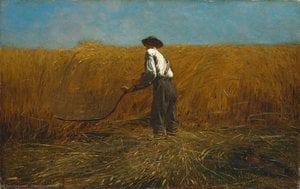
Hunter in the Adirondacks
複製画のサイズ
Winslow Homer's "Hunter in the Adirondacks," painted in 1892, isn’t merely a depiction of a man and his rifle; it’s a profound meditation on humanity’s relationship with nature. This watercolor masterpiece, currently residing within the Fogg Art Museum in Cambridge, transcends simple landscape painting to become a poignant study of solitude, skill, and the quiet dignity of the American outdoorsman. Homer, a figure deeply rooted in the realities of his time, eschewed the formal training prevalent in European art circles, instead forging his artistic voice through direct observation and an intimate understanding of the American experience. His early career as an illustrator for Harper’s Weekly instilled within him a remarkable ability to capture detail with precision – a skill that he brilliantly translates into the nuanced rendering of light, texture, and form in this evocative work.
Homer's masterful use of watercolor is central to the painting’s power. He doesn’t strive for photographic realism; rather, he employs a loose, expressive brushstroke that imbues the scene with an almost palpable sense of atmosphere. The dappled light filtering through the dense Adirondack forest creates a shimmering effect, highlighting the rough bark of the trees and casting long shadows across the fallen log upon which the hunter stands. Notice how Homer builds up layers of translucent washes – delicate greens and blues layered over browns and ochres – to create depth and volume within the landscape. The subtle variations in tone suggest movement and change, mirroring the shifting light and the rustling of leaves. This technique isn’t simply decorative; it's integral to conveying the feeling of being immersed within this wild, untamed space.
"Hunter in the Adirondacks" speaks volumes about America at the turn of the 20th century. The rise of conservation movements was gaining momentum, fueled by figures like Theodore Roosevelt, and there was a growing appreciation for the beauty and importance of preserving the nation’s wilderness areas. Homer's painting reflects this burgeoning interest in the outdoors, but it also hints at a more complex relationship with nature – one that acknowledges both its allure and its inherent dangers. The hunter himself is presented not as a conquering hero, but as a solitary figure, quietly observing his surroundings. His posture suggests a deep connection to the land, a respect for its power, and a quiet acceptance of his place within it. The presence of other figures in the background, engaged in their own pursuits, subtly underscores the communal aspect of this experience – hunting not just for sustenance, but also for camaraderie and a shared appreciation of the wilderness.
Beyond its technical brilliance and historical context, “Hunter in the Adirondacks” possesses a remarkable emotional resonance. There’s a profound sense of serenity within the painting – a quietude that invites the viewer to pause and contemplate the scene. The hunter's stillness, combined with the vastness of the forest, creates an atmosphere of introspection. It’s not a thrilling adventure; it’s a moment of quiet resolve, a connection between man and nature that transcends mere survival. This painting speaks to our enduring fascination with the wilderness, our longing for solitude, and our deep-seated need to understand our place within the natural world. A reproduction captures this essence beautifully, offering a window into Homer's vision and allowing us to experience the tranquility of the Adirondack wilderness from our own space.

1836 - 1910 , アメリカ合衆国

Discover the ethereal beauty of premium watercolor reproductions and bespoke commissions at WahooArt. From museum-quality landscapes to custom AI-enhanced portraits, our master artists deliver unparalleled craftsmanship and white-glove service for discerning collectors worldwide.

Discover the ethereal beauty of watercolor through an art-historical lens. Master the delicate balance of light, fluidity, and pigment to capture the luminous essence of nature, inspired by the legendary techniques of the Old Masters and Impressionist greats.

Explore the profound beauty of American Realism. From Winslow Homer’s rural landscapes to the dignity of everyday life, discover how master artists captured the soul of a nation through evocative oil paintings and timeless fine art techniques.


 プレビュー
プレビュー
 シェアする
シェアする シェアする
シェアする
 詳細を見る
詳細を見る

 ダウンロード
 似ている作品
 X線調査
X線調査 スライドショー
 統計情報
統計情報


 詳細を見る
詳細を見る









 ガラスオプションは、110cm未満のサイズでのみご利用いただけます。