迅速な制作と多彩な仕上げオプションを備えた、ミュージアムクオリティのジークレーまたはキャンバスプリント。 ( 手描きの絵画を購入 デジタル画像販売へ切り替え)





























作品のオリジナル比率に合わせた、当店の規定サイズからお選びください。

特定のフレームやスペースに合わせて、ご自身でサイズを指定することも可能です。選択されたサイズが元の画像の比率と一致しない場合、作品をトリミングするか、鏡面反射または単色での塗りつぶしによって画像を拡張いたします。制作を開始する前に、ご確認用のデジタルモックアップをお送りいたします。
画面上のプレビューには、実際のトリミングや拡張は反映されませんのでご注意ください。最終的な構図を正確に確認できるのは、モックアップのみとなります。
カスタムサイズも承っておりますが、元の比率を維持するためには、あらかじめ用意されたリストからサイズを選択することをお勧めいたします。

After the Hurricane
複製画のサイズ
To encounter Winslow Homer’s “After the Hurricane, Bahamas” is to stand at the precipice of nature’s most violent transformations and witness the quiet, heavy dignity of survival. Painted in 1899 during the artist's second visit to the tropical shores of the Bahamas, this breathtaking watercolor transcends mere landscape painting to offer a visceral embodiment of atmospheric drama. The scene unfolds upon a shoreline where the fury of a gale has recently passed, leaving behind a world reshaped by chaos. At its heart lies a poignant focal point: a solitary figure resting amidst the debris of a wrecked sailboat. This man is not merely a passive observer of destruction; he embodies a profound human resilience, clinging to his surfboard as if determined to maintain equilibrium against the receding, turbulent tides.
Homer’s mastery of the medium is on full display through his signature use of loose brushstrokes and luminous washes. The technique employed here creates a striking visual tension; thick, opaque pigments are used to render the seaweed and detritus scattered across the sand, providing a tactile weight that contrasts beautifully with the delicate, fluid strokes used for the retreating waves. This layering of color maximizes depth, allowing the viewer to feel the dampness of the sand and the salt spray in the air. It is a work that captures the fleeting moment where the energy of a storm meets the stillness of its aftermath, making it an ideal centerpiece for those who appreciate art that breathes with life and movement.
Beyond its technical brilliance, the painting serves as a profound meditation on the human condition. The shattered boat acts as a potent symbol of fragility and loss, representing the disruption of human plans by forces far greater than ourselves. Yet, within this wreckage, Homer introduces a note of perseverance through the presence of the surfboard—a tool for navigating the very waves that threaten destruction. This duality is mirrored in the sky, where receding storm clouds offer the promise of calm, symbolizing hope and the inevitable return of light after darkness.
Historically, this work emerged during a period of significant artistic experimentation in America, reflecting broader trends toward realism and the burgeoning Romantic sensibility. Homer, largely self-taught and shaped by his early years as a commercial illustrator, possessed an unparalleled ability to capture scenes with clarity and emotional truth. He did not merely document the landscape; he chronicled the elemental tension between humanity and the indomitable forces of nature. For collectors and interior designers, this piece offers more than just aesthetic beauty; it provides a narrative of strength and contemplation, making it a sophisticated addition to any space seeking to evoke a sense of drama, peace, and enduring spirit.


1836 - 1910 , アメリカ合衆国

ウィンスロー・ホーマーの傑作25選。アメリカ美術を代表する画家、風景画から海洋画まで、その感動的な絵画の世界を探求。WahooArtで複製画やアートプリントを手に入れ、お部屋に名画の輝きを。コレクションはこちら: WahooArt.com
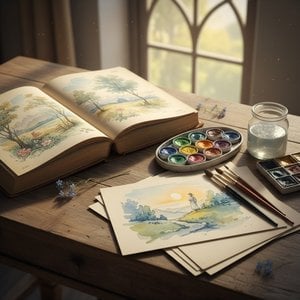
Explore the captivating history of watercolor painting, from ancient techniques to modern masters like Kandinsky & Blake. Discover essential artists, collecting tips & the emotional power of this luminous medium. Expert insights for art enthusiasts.

Explore the captivating world of watercolor painting! Discover its rich history, essential techniques, influential artists & collecting tips. A comprehensive guide for art enthusiasts from WahooArt.
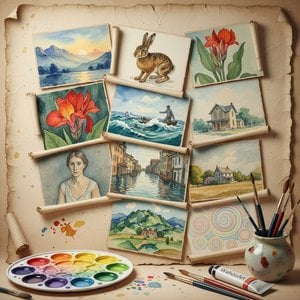
Journey through 10 legendary watercolor masterpieces by Sargent, Turner & Homer! Explore iconic landscapes, portraits & floral art that redefined history. Find museum-quality reproductions and curated decor ideas at WahooArt.com.

ロマン派絵画の時代を彩る10選。巨匠たちの風景が織りなす感動の世界へ。ターナー、ルーベンスなど、名作の裏話と高精細複製でアートをお部屋に。WahooArt.comで至福のアート体験を。


 プレビュー
プレビュー
 シェアする
シェアする シェアする
シェアする
 詳細を見る
詳細を見る ガイド
ガイド

 ダウンロード
 似ている作品
 X線調査
X線調査 スライドショー
 統計情報
統計情報

 詳細を見る
詳細を見る









 ガラスオプションは、110cm未満のサイズでのみご利用いただけます。