

 PaintingBritish Aesthetic Movement
 1924Modern
 82.0 x 98.0 cm
 ザ・ヘップワース・ウェイクフィールド
スピーディーな制作と多彩な仕上げオプションが魅力の、ミュージアムクオリティなジークレー・キャンバスプリント。 ( 手描きの複製画を注文する デジタル画像販売へ切り替え)





























作品のオリジナル比率に合わせた、当店の規定サイズからお選びください。

額縁や壁のスペースに合わせて、ご希望の幅と高さを入力してください。プリントはカットすることは可能ですが、元の画像より大きくすることはできないため、異なる比率のサイズを選択された場合は、画像の一部が欠けることになります。印刷を開始する前に、内容を確認していただくためのデジタルモックアップをお送りいたします。このページに表示されている画像は、実際のカット後の状態を示すものではありません。実際の仕上がりはモックアップにてご確認ください。
Children and Fairies
複製画サイズ一覧
In the delicate brushstrokes of William Shackleton’s 1924 masterpiece, Children and Fairies, we are invited to step through a veil separating the mundane from the magical. This enchanting scene captures a moment of pure, unadulterated wonder, where the boundaries between the human spirit and the natural world dissolve. The painting depicts three young girls, adorned in the ethereal attire of nymphs, nestled within a lush garden sanctuary. As they cradle blossoms in their small hands, they are not merely playing; they are participating in a sacred communion with the unseen. The presence of fluttering birds and subtle, winged figures creates a rhythmic dance of life, suggesting that magic is not something far away, but something woven into the very fabric of the earth.
The composition breathes with the vitality of the British Aesthetic Movement, a period where artists sought to harmonize beauty with nature. Shackleton, a master of capturing both the ruggedness of the English landscape and the softness of intimate human emotion, employs a technique that balances realism with a dreamlike impressionism. The light seems to filter through a canopy of leaves, casting a gentle, dappled glow upon the children’s faces, highlighting their expressions of innocent joy. Each stroke serves to build a sense of depth, from the textured bark of the background trees to the delicate, translucent petals of the flowers held by the young nymphs.
Beyond its surface beauty, Children and Fairies serves as a profound meditation on the concept of innocence. In the post-war era of the 1920s, such imagery offered a poignant retreat into a world untouched by the complexities of modern industrialization. The fairies act as symbols of the untamed, creative spirit of childhood—a time when the imagination is powerful enough to manifest reality. The garden itself functions as a locus amoenus, or a "pleasant place," representing a state of primordial grace and peace. For the discerning collector, this piece offers more than just visual pleasure; it provides a window into a lost era of enchantment, making it a deeply emotive addition to any curated collection.
For interior designers and lovers of fine art, this painting presents a unique opportunity to introduce a sense of narrative depth and tranquility into a living space. The soft palette and organic forms of the garden setting make it an ideal centerpiece for rooms designed for reflection or relaxation. Whether placed in a sunlit morning room or a sophisticated study, the artwork acts as a focal point that draws the eye and invites the soul to linger. A high-quality reproduction of this work allows the timeless elegance of Shackleton’s vision to grace contemporary homes, bringing with it the enduring magic of a summer afternoon in an enchanted woodland.
「Children and Fairies」は、British Aesthetic Movement様式のもと、William Shackletonによって制作されました。作者と様式は、その作品が受け継ぐ伝統を定義するものです。
「Children and Fairies」は、Largeのプリントサイズでの印刷をおすすめします。他のサイズについても、同じ比率でご利用いただけます。
「Children and Fairies」では、Neutralsの色調がPlayfulな情緒を添えています。

In the tapestry of early 20th-century British art, few threads are as delicately woven as those left by William Shackleton. Born in 1872 in the industrial heart of Wednesfield, Staffordshire, Shackleton emerged from a period of profound transition in the art world. His journey was one of constant refinement, moving between the rigorous academic traditions of his training and a deeply personal, atmospheric approach to the natural world. As a painter who mastered both the expansive grandeur of the Yorkshire Moors and the quiet, intimate beauty of a single bloom, Shackleton captured a sense of time and place that remains profoundly moving to the modern observer.
Shackleton’s artistic foundation was built upon the prestigious halls of the Beckenham School of Art and the Royal Academy. It was during these formative years that he began to synthesize the classical precision of his instructors with the burgeoning influences of the British Aesthetic Movement. He found inspiration in the works of masters like Walter Sickert and Frederic Leighton, learning to balance a realistic depiction of form with an expressive, almost poetic use of light and brushwork. This duality allowed him to navigate seamlessly between different genres, finding equal depth in a sprawling vista and a quiet domestic scene.
The true heart of Shackleton’s oeuvre lies in his ability to translate the ephemeral qualities of the British atmosphere onto canvas. He possessed an uncanny knack for capturing the "sublime"—that specific, breathtaking moment when light breaks through a heavy cloud or when the morning frost clings to the heather. His depictions of the Yorkshire landscape, particularly around Haworth Moor and Malham, are not merely topographical records but emotional landscapes. In works such as "Winter Sunrise, Malham, Yorkshire," one can almost feel the biting chill of the air and the silent, golden promise of a new day.
This mastery extended far beyond the rugged highlands. Shackleton’s sensitivity to nature was equally evident in his more delicate studies. His "Study of Roses" demonstrates a profound ability to find the infinite within the small, using soft textures and subtle color gradations to celebrate the fleeting beauty of life. Whether he was painting the vast, windswept plains or the intricate petals of a flower, his technique remained rooted in an appreciation for the organic rhythms of the natural world.
While landscapes provided him with a stage for grandeur, portraiture offered Shackleton a medium for psychological intimacy. He moved away from the stiff, formal traditions of Victorian portraiture to explore the nuanced expressions of his subjects. His portraits often utilized soft, diffused light—reminiscent of the interior scenes favored by the Impressionists—to create an atmosphere of quiet contemplation. By placing his subjects within domestic settings, he invited the viewer into a private world, capturing not just a likeness, but a sense of character and soul.
The legacy of William Shackleton is defined by this versatility and his enduring contribution to the British tradition. He remains a significant figure for those who seek art that speaks to the senses and the spirit. His work serves as a bridge between the romanticism of the previous century and the more experimental approaches of the modern era, leaving behind a collection of works that continue to resonate with their profound respect for the beauty found in both the monumental and the minute.

1872 - 1933
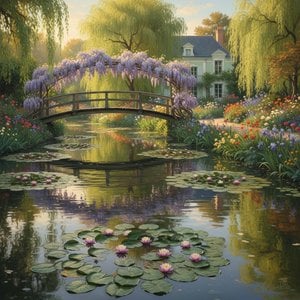
Embark on a visual journey through Claude Monet's Giverny. Discover the enchanting light, vibrant colors, and breathtaking landscapes of his legendary gardens through an expert exploration of Impressionist mastery and timeless beauty.

Embark on a visual journey through the world's most serene parks. Discover how master artists capture light, texture, and tranquility through exquisite oil paintings and botanical landscapes designed for the discerning art enthusiast.
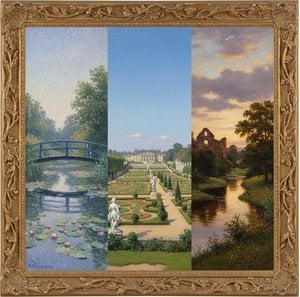
Embark on a visual journey through the serene beauty of gardens and parks in fine art. Discover how master artists capture nature's tranquility through impressionistic blooms and classical landscapes to bring timeless elegance into your home collection.

 設置イメージを確認
 送る
送る シェア
シェア
 詳細情報
詳細情報 ガイドを表示

 画像をダウンロード
 似ている作品
 X線調査
X線調査 スライドショー
 統計情報
統計情報 続きを読む
続きを読む









 ガラスオプションは、110cm未満のサイズでのみご利用いただけます。


