
迅速な制作と多彩な仕上げオプションを備えた、ミュージアムクオリティのジークレーまたはキャンバスプリント。 ( 手描きの絵画を購入 デジタル画像販売へ切り替え)





























作品のオリジナル比率に合わせた、当店の規定サイズからお選びください。

特定のフレームやスペースに合わせて、ご自身でサイズを指定することも可能です。選択されたサイズが元の画像の比率と一致しない場合、作品をトリミングするか、鏡面反射または単色での塗りつぶしによって画像を拡張いたします。制作を開始する前に、ご確認用のデジタルモックアップをお送りいたします。
画面上のプレビューには、実際のトリミングや拡張は反映されませんのでご注意ください。最終的な構図を正確に確認できるのは、モックアップのみとなります。
カスタムサイズも承っておりますが、元の比率を維持するためには、あらかじめ用意されたリストからサイズを選択することをお勧めいたします。

Fruit and a White Rose
複製画のサイズ
William James Glackens stands as a pivotal figure in American art, inextricably linked to the rise of the Ashcan School. This movement, born from a desire to depict unfiltered reality rather than idealized visions, sought to capture the pulse of urban life – its grit, its beauty, and its inherent contradictions. ‘Fruit and a White Rose,’ painted in 1930, exemplifies Glackens’ commitment to this aesthetic, offering a deceptively simple still life that resonates with profound historical and artistic significance. The painting, currently residing within the Museum of Art in Fort Lauderdale, United States, is more than just a depiction of fruit; it's a window into the sensibilities of an era grappling with modernity.
Glackens’ masterful handling of oil on panel immediately draws the viewer into the scene. The composition is anchored by a prominent table, acting as both stage and backdrop to the vibrant arrangement of fruit. The artist's meticulous attention to detail is evident in the layering of textures – the smooth skin of the apples, the plumpness of the grapes, and the subtle variations in the oranges’ surfaces. Multiple apples are strategically placed, creating a sense of depth and inviting the eye to wander across the bowl. The use of color is particularly noteworthy; Glackens employs a restrained palette—muted reds, yellows, and browns—that enhances the realism rather than overwhelming it. This technique reflects a conscious decision to prioritize observation and direct representation over purely expressive gestures, aligning him with the core tenets of the Ashcan School.
'Fruit and a White Rose' was created during a transformative period in American history. The 1930s witnessed rapid urbanization, industrial growth, and social change in New York City – themes frequently explored by Glackens and his contemporaries. The Ashcan School emerged as a reaction against the academic traditions of the time, seeking to portray the lives of ordinary people—immigrants, laborers, and artists—within the city’s bustling streets. The painting's subject matter – everyday objects arranged in a still life – subtly reflects this concern with the mundane, elevating it through Glackens’ skilled execution. The Burton Art Gallery’s founding in 1930 further underscores the artistic climate of the time, highlighting a dedication to showcasing contemporary art and historical artifacts.
Beyond its technical brilliance, ‘Fruit and a White Rose’ possesses a quiet emotional resonance. The inclusion of a white rose adds an element of delicate beauty to the otherwise robust scene, perhaps representing fleeting moments of grace or contemplation amidst the chaos of urban life. The arrangement itself – a collection of fruits ripe for consumption – can be interpreted as a symbol of abundance and nourishment, yet also hints at the transient nature of pleasure. Glackens’ ability to evoke such subtle emotions through seemingly simple imagery is a testament to his artistic vision and his profound understanding of human experience. The painting's enduring appeal lies in its capacity to connect with viewers on an intuitive level, prompting reflection on themes of beauty, mortality, and the everyday wonders of the world.


1870 - 1938 , アメリカ合衆国

Discover the profound allure of oil on canvas. Explore the mastery of impasto textures, the science of pigment longevity, and expert guides to selecting museum-quality reproductions that elevate your collection with timeless elegance and tactile depth.
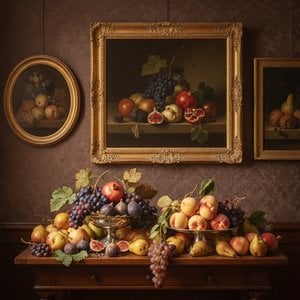
Discover the profound beauty of fruit still life paintings. Explore the rich symbolism, Baroque mastery, and timeless allure of nature's bounty through an art-historical lens, perfect for collectors and enthusiasts of classical fine art.

Explore the profound beauty of fruit arrangement masterpieces. From Dutch Golden Age opulence to Baroque chiaroscuro, discover the art history, symbolism, and timeless elegance of classical still life paintings for the discerning collector.

Embark on a sophisticated journey through art history with our exploration of still life masterpieces. Discover the profound symbolism behind classical paintings of drinks and fruit, curated for the true connoisseur seeking timeless elegance and academic depth.


 プレビュー
プレビュー
 シェアする
シェアする シェアする
シェアする
 詳細を見る
詳細を見る ガイド
ガイド

 ダウンロード
 似ている作品
 X線調査
X線調査 スライドショー
 統計情報
統計情報


 詳細を見る
詳細を見る









 ガラスオプションは、110cm未満のサイズでのみご利用いただけます。


