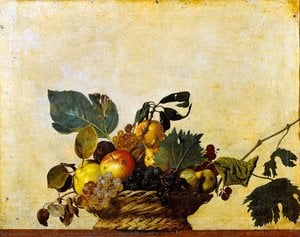
オンラインプレビューをはるかに凌ぐ、高解像度で鮮明なデジタル画像をご購入いただけます。
各ファイルは、社内の専門家が高度なツールと熟練した手作業によるレタッチを用いて、細心の注意を払って準備されています。すべての画像において、卓越した鮮明度、正確な色彩再現性、そして繊細なディテールを保証いたします。
最終ファイルは、プロフェッショナルな編集・印刷環境ですぐにご利用いただけるよう最適化された状態で、72時間以内にメールにてお届けいたします。これは、一流のデザインスタジオ、出版社、ギャラリーから信頼されているものと同等の品質です。
個人での鑑賞、印刷、クリエイティブなプロジェクト用に、高解像度ファイルをダウンロードできます。 ( プリント版に切り替え 手描きの絵画を購入)
WahooArt.com を選ぶことは、単に画像を手に入れることではありません。それは、プロの手によって精密に仕上げられ、満足保証が付いた高品質なデジタルアートワークを受け取ることを意味します。ご注文いただいた際に自動的に付随する内容は、以下の通りです:

ご注文から72時間以内に、高解像度のデジタル画像ファイルがメールでお手元に届きます。すぐにそのままご利用いただけます。

お客様の作品は、高度なAIツールと専門家による手作業の編集を組み合わせてプロフェッショナルに最適化されており、細部のディテール、鮮明さ、そして正確な色再現性を最大限に引き出しています。

ファイルを誤って削除したり、紛失してしまったりしましたか?ご安心ください。いつでも無料で再送いたします。

関税や手数料、配送料を気にすることなく、お気に入りのアートワークをすぐにお楽しみいただけます。デジタルダウンロードは常に免税です。

プロ仕様のツールとカラーマネジメント技術を用いることで、デジタル画像が元の色を最大限に忠実に再現することを保証いたします。

ご購入いただいたデジタル画像にご満足いただけない場合は、100日以内であれば、理由を問わず修正または100%の返金対応をさせていただきます。

ご満足いただけない場合は、デジタルファイルを受け取ってから100日以内であれば、理由を問わず全額返金いたします。

3枚購入で10%OFF - 5枚購入で15%OFF - 10枚以上購入で20%OFF。クリエイティブなプロジェクト、ギャラリー、エージェンシーに最適です。
In the heart of the Victorian era, a period often defined by rapid industrialization and sweeping social change, there existed a profound longing for the stillness of the natural world. It was within this cultural landscape that William Hughes (1842–1901) carved out a unique and enduring niche. Born in the agricultural expanses of Lincolnshire, England, Hughes’s early life was deeply intertwined with the rhythms of the countryside. This intimate connection to the land would later become the cornerstone of his artistic identity, as he dedicated his career to capturing the serene, often overlooked moments of rural British life. While his name may not resonate with the same immediate fame as some of his more dramatic contemporaries, his body of work offers a window into a lost era of pastoral tranquility.
Hughes’s journey toward mastery began in earnest at the Lincoln School of Art, where he entered formal training in 1863. It was here that he honed the technical precision that would become his hallmark. His education provided him with a rigorous foundation in traditional techniques, particularly the delicate art of watercolor. However, perhaps the most transformative influence on his development was his study under the renowned George Frederic Watts. From Watts, Hughes inherited more than just technical skill; he adopted a philosophy of emotional resonance. Watts taught that an artist must look beyond the mere surface of a subject to capture its inner spirit. This guidance encouraged Hughes to approach his landscapes not merely as topographical records, but as emotive studies where light and texture could evoke a sense of quiet contemplation and peace.
The brilliance of Hughes’s work lies in his extraordinary ability to render the tactile reality of the English landscape. He possessed an almost scientific devotion to detail, yet he never allowed his precision to descend into coldness. Instead, his paintings are imbued with a soft, luminous quality that suggests the warmth of sunlight filtering through a summer haze or the damp coolness of a morning mist. His technique involved a meticulous layering of watercolor washes, a process that allowed him to build depth and complexity within a single scene. Through this method, he could recreate the ruggedness of an ancient stone wall, the soft velvet of moss-covered earth, or the gentle undulation of hills dotted with grazing sheep.
His compositions often eschewed the grand, sweeping vistas favored by many landscape painters of the 19th century. Instead, Hughes found beauty in the intimate and the small-scale. His subjects were frequently:
As the 19th century drew to a close, the world was moving toward the fragmented perspectives of Modernism. Yet, Hughes remained steadfast in his commitment to the observational traditions of his youth. He died in London in 1901, leaving behind a legacy of approximately 350 paintings that serve as a vital record of the British pastoral tradition. His work stands as a testament to the enduring power of the landscape to provide solace and a sense of continuity.
Today, the significance of William Hughes lies in his ability to bridge the gap between technical excellence and emotional depth. He did not merely paint what he saw; he painted how the landscape felt. In an age of constant movement, his paintings offer a sanctuary of stillness. Collectors and art historians continue to find value in his work, drawn to the sincerity of his vision and the masterful way he captured the fleeting, beautiful nuances of the natural world. His oeuvre remains a cherished part of the Victorian artistic canon, reminding us of the profound beauty found in the quietest corners of our earth.

1842 - 1901 , United Kingdom


 プレビュー
プレビュー
 シェアする
シェアする シェアする
シェアする
 詳細を見る
詳細を見る

 ダウンロード
 似ている作品
 X線調査
X線調査 スライドショー
 統計情報
統計情報 詳細を見る
詳細を見る