設置イメージを確認 ARで壁に飾るイメージを見る 手描きの複製画を注文する デジタル画像販売へ切り替え 送る
詳細情報 ガイドを表示 お気に入りに追加 画像をダウンロード 似ている作品 X線調査 スライドショー 統計情報

George Arnold

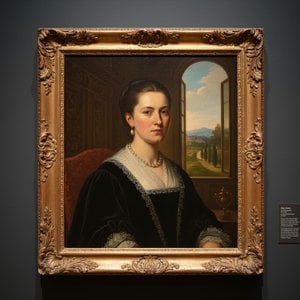
William Hogarth’s "George Arnold": A stunning 18th-century oil portrait of an elderly gentleman. Admire its classical style, detailed realism & symbolic elements.

18世紀イギリスの画家ウィリアム・ホガース。風刺と社会批判に満ちた「ロンドン随筆」シリーズや「堕落者の道」、「放蕩者の道」など、物語性豊かな作品で知られます。庶民の生活を生き生きと描き出し、後の芸術家や風刺画家に多大な影響を与えました。

ジークレー/アートプリント

スピーディーな制作と多彩な仕上げオプションが魅力の、ミュージアムクオリティなジークレー・キャンバスプリント。 ( 手描きの複製画を注文する デジタル画像販売へ切り替え)

Corner sample of the P118B picture frame: moulded polystyrene, 5 cm wide and 3 cm thick
P118B ¥10
Corner sample of the P118H picture frame: moulded polystyrene, 5 cm wide and 3 cm thick
P118H ¥10
Corner sample of the P118W picture frame: moulded polystyrene, 5 cm wide and 3 cm thick
P118W ¥10
Corner sample of the P438Z picture frame: moulded polystyrene, 5.5 cm wide and 3.5 cm thick
P438Z ¥10
Corner sample of the P508JH picture frame: moulded polystyrene, 7 cm wide and 3.5 cm thick
P508JH ¥12
Corner sample of the P508YH picture frame: moulded polystyrene, 7 cm wide and 3.5 cm thick
P508YH ¥12
Corner sample of the P805H picture frame: moulded polystyrene, 5 cm wide and 3.5 cm thick
P805H ¥10
Corner sample of the P805Z picture frame: moulded polystyrene, 5 cm wide and 3.5 cm thick
P805Z ¥10
Corner sample of the P919BZ picture frame: moulded polystyrene, 7 cm wide and 3.5 cm thick
P919BZ ¥10
Corner sample of the P919G picture frame: moulded polystyrene, 7 cm wide and 3.5 cm thick
P919G ¥10
Corner sample of the P919XJ picture frame: moulded polystyrene, 7 cm wide and 3.5 cm thick
P919XJ ¥10
Corner sample of the P959ZH picture frame: moulded polystyrene, 5 cm wide and 3 cm thick
P959ZH ¥10
Corner sample of the P968JZ picture frame: moulded polystyrene, 6 cm wide and 4 cm thick
P968JZ ¥12
Corner sample of the W106C picture frame: solid wood, 5 cm wide and 3 cm thick
W106C ¥8
Corner sample of the W218G picture frame: solid wood, 5 cm wide and 3 cm thick
W218G ¥10
Corner sample of the W218JH picture frame: solid wood, 5 cm wide and 3 cm thick
W218JH ¥8
Corner sample of the W218Y picture frame: solid wood, 5 cm wide and 3 cm thick
W218Y ¥10
Corner sample of the W307PJ picture frame: solid wood, 6 cm wide and 3 cm thick
W307PJ ¥10
Corner sample of the W316G picture frame: solid wood, 6 cm wide and 3 cm thick
W316G ¥10
Corner sample of the W316PJ picture frame: solid wood, 6 cm wide and 3 cm thick
W316PJ ¥8
Corner sample of the W316Y picture frame: solid wood, 6 cm wide and 3 cm thick
W316Y ¥10
Corner sample of the W398PJ picture frame: solid wood, 5 cm wide and 3 cm thick
W398PJ ¥8
Corner sample of the W4111J picture frame: solid wood, 6.5 cm wide and 3.5 cm thick
W4111J ¥10
Corner sample of the W500HY picture frame: solid wood, 7 cm wide and 5 cm thick
W500HY ¥15
Corner sample of the W500JH picture frame: solid wood, 7 cm wide and 5 cm thick
W500JH ¥15
Corner sample of the W692G picture frame: solid wood, 8 cm wide and 4 cm thick
W692G ¥12
Corner sample of the W849H picture frame: solid wood, 5 cm wide and 3 cm thick
W849H ¥8
Corner sample of the W940BG picture frame: solid wood, 7.5 cm wide and 4.5 cm thick
W940BG ¥15
Corner sample of the W953PJ picture frame: solid wood, 6 cm wide and 3.5 cm thick
W953PJ ¥8

標準サイズ
カスタムサイズ
CM
INCH

作品のオリジナル比率に合わせた、当店の規定サイズからお選びください。

横幅
高さ

特定のフレームやスペースに合わせて、ご自身でサイズを指定することも可能です。選択されたサイズが元の画像の比率と一致しない場合、作品をトリミングするか、鏡面反射または単色での塗りつぶしによって画像を拡張いたします。制作を開始する前に、ご確認用のデジタルモックアップをお送りいたします。
画面上のプレビューには、実際のトリミングや拡張は反映されませんのでご注意ください。最終的な構図を正確に確認できるのは、モックアップのみとなります。
カスタムサイズも承っておりますが、元の比率を維持するためには、あらかじめ用意されたリストからサイズを選択することをお勧めいたします。

世界中への配送()は、標準の4〜5週間ではなく、2週間でお届けいたします。(11 10月)

世界中へ無料エクスプレス配送
高品質なリネンキャンバス
配送時完全保険付
関税・輸入税の払い戻し保証
忠実な色彩再現の保証
100日間返品保証(製造上の欠陥がある場合のみ)
100% 全額返金保証
まとめ買い割引のご案内

合計金額

¥ 10458

George Arnold

ジークレー/アートプリント

複製画サイズ一覧

-

合計金額

¥ 10458

作品情報

  • subject: Portrait of an elderly man
  • notable elements: Elaborate attire (blue coat, waistcoat, powdered wig)
  • style: Classical portraiture
  • medium: Oil on canvas
  • artist: William Hogarth

アート・クイズ

各質問の正解は1つだけです。

問題 1:
Based on the description, what does the subject's attire suggest about his social standing?
問題 2:
What artistic period is this painting most likely from, based on its style and details?
問題 3:
The description notes the use of directional lighting. What effect does this have on the painting?
問題 4:
Which technique is primarily used to create a sense of realism in this portrait?

A Glimpse into Eighteenth-Century Grandeur

In the quiet, commanding presence of William Hogarth’s “George Arnold,” viewers are transported back to the structured elegance of 18th-century Britain. This captivating portrait presents an elderly gentleman in a three-quarter view, a composition that immediately establishes a sense of profound dignity and social importance. As one gazes upon the subject, his direct and steady eyes seem to invite a silent dialogue across the centuries, bridging the gap between the modern observer and the historical elite. The formal, seated pose is not merely a matter of convenience but a deliberate artistic choice intended to convey the weight of character and the stability of status.

The painting serves as a masterful window into the societal landscape of Hogarth’s era. While the artist is globally celebrated for his biting satirical series such as A Harlot’s Progress and A Rake’s Progress, this particular work reveals his exceptional prowess in classical portraiture. Here, there is no mockery, only a meticulous dedication to capturing the essence of a prominent individual. Through this piece, we encounter the refined atmosphere of a period defined by both burgeoning ambition and rigid social hierarchies, making it an exquisite centerpiece for any collection focused on historical realism.

Mastery of Light, Texture, and Symbolism

Technically, “George Arnold” is a triumph of the classical oil painting tradition. Hogarth employs a sophisticated layering of brushstrokes to achieve a remarkably smooth texture, lending a lifelike quality to the subject’s skin and the heavy fabrics of his attire. The use of directional lighting is particularly striking; it illuminates the man's face and upper body with a soft brilliance, while deep, intentional shadows wrap around the contours of his form to create a powerful sense of three-dimensionality. This interplay of light and dark—often referred to as chiaroscuro—is set against a dark, indistinct background, which serves to isolate the subject and focus all emotional energy upon his expression.

Every element of the subject's wardrobe acts as a silent narrator of his wealth and position. The rich blue coat, paired with an ornate waistcoat and delicate ruffled cuffs, speaks to the meticulous fashions of the 1700s. Even the powdered wig, a hallmark of the period’s upper class, functions as a potent symbol of social standing. For the discerning interior designer or collector, these details offer more than mere decoration; they provide a sense of structured elegance and historical depth. The painting does not just depict a man; it depicts an era of prestige, making it an ideal choice for creating a sophisticated, scholarly, or classically inspired atmosphere in any grand room.

An Emotional Resonance for the Modern Collector

Beyond the technical brilliance and the historical fascination, there is a profound emotional layer to this portrait that continues to resonate today. While the primary impression is one of composure and strength, a subtle hint of melancholy lingers within the subject's gaze—a reflection of the inevitable passage of time and the weight of a life lived through significant history. This complexity allows the artwork to transcend simple decoration, offering a contemplative presence that can anchor a room with both gravity and grace.

For those seeking to adorn their spaces with high-quality reproductions, “George Arnold” offers an unparalleled opportunity to possess a piece of British art history. Whether placed in a private study, a formal dining hall, or a curated gallery space, the painting’s ability to evoke both intimacy and grandeur makes it a timeless investment. It is a work that invites repeated viewing, revealing new nuances of texture, light, and human emotion with every encounter.

よくあるご質問

「George Arnold」は何を描いた作品で、どのような雰囲気を持っていますか?

ウィリアム・ホガース作「George Arnold」は、portraiture, elderly man, 18th century, dignified, formal, classicism, social status, wealthyを描き出し、Classicな情緒を湛えています。主題と雰囲気が相まって、作品の物語を形作っています。

「George Arnold」のファインアートプリントは販売されていますか?

ウィリアム・ホガース作「George Arnold」のプリントは、このページから直接ご注文いただけます:コットンキャンバスまたはアーカイブ品質のキャンバスペーパーに施されたファインアートプリント。

「George Arnold」の油彩複製画を注文することはできますか?

「George Arnold」はリネンキャンバスに手描きされた油彩複製画としてご購入いただけます。サイズをお選びの上、このページよりご注文いただけます。

ウィリアム・ホガース作「George Arnold」 の著作権状況について、その根拠を教えてください。

「George Arnold」の著作権の状態について — パブリックドメイン(著作権消滅) — は、作者の没年である1764に基づいています。

ウィリアム・ホガース作「George Arnold」は、どのようなシーンへの贈り物としておすすめですか?

ウィリアム・ホガース作「George Arnold」は、Retirementへの贈り物としておすすめです。こちらの作品の複製画を、プレゼントとしてお贈りいただけます。

「George Arnold」は、どのアーティストの作品とされていますか?

「George Arnold」はウィリアム・ホガースの作品とされています。

「George Arnold」は、ウィリアム・ホガースが繰り返し描いてきた主題の中でどのような位置を占めているのでしょうか?

「George Arnold」はportraiture, elderly man, 18th century, dignified, formal, classicism, social status, wealthyを描いていますが、ウィリアム・ホガースのこれまでのテーマとして記録されているのはclassical ideals, roman portraiture, 18th-century social hierarchy, wealth & status symbolism, hogarth's moral critiques, satirical observation of society, part of a series on human folly, detailed realismです。この二つを比較することで、本作が作家のいつもの主題とどのように関連しているかが明らかになります。


アーティストについて

A London Life in Ink and Paint: The World of William Hogarth

William Hogarth, born into the bustling heart of 18th-century London in 1697, was more than just an artist; he was a visual historian, a keen observer of human nature, and a satirical commentator on the societal currents of his age. His life story is inextricably linked to the very fabric of England during a period of significant transformation – its burgeoning ambitions, underlying anxieties, and pervasive hypocrisies all finding potent expression in his remarkably detailed and often biting works. The son of a struggling Latin schoolmaster, Hogarth’s early experiences instilled within him both a love for learning and a sharp awareness of social inequalities, a foundation that would prove crucial to shaping his artistic vision. Initially apprenticed to an engraver, he quickly demonstrated a talent extending beyond mere technical skill; he possessed an innate ability to observe the nuances of human behavior and translate them into compelling visual narratives. However, he chafed against the constraints of traditional engraving, seeking a more expressive outlet for his burgeoning creativity. This led him to studies at both St Martin’s Lane Academy and under Sir James Thornhill, where he honed his skills in painting and composition, absorbing influences that would later inform his unique style.

The Birth of Modern Moral Subjects

Hogarth's true innovation lay not simply *what* he painted, but *how*. He pioneered what he termed “modern moral subjects” – series of pictures designed to tell a story, often imbued with a strong satirical edge. These weren’t isolated portraits or landscapes; they were visual novels unfolding before the viewer’s eyes, offering pointed commentary on contemporary society. A Harlot's Progress, created in 1742, stands as perhaps his most famous example. This series of six paintings meticulously follows the tragic downfall of Mary, a young woman arriving in London full of hope but quickly succumbing to the temptations and dangers of city life. Each scene is rendered with painstaking detail, filled with symbolic elements that reveal the moral decay surrounding her. The figures are portrayed with unflinching realism, capturing every gesture and expression with remarkable accuracy—a deliberate departure from idealized depictions prevalent at the time. Similarly, A Rake's Progress, begun in 1733, charts the reckless decline of Tom Rakewell, a man who squanders his inheritance on gambling, debauchery, and ultimately, madness. These weren’t merely cautionary tales; they were unflinching portraits of a society grappling with issues of class, morality, and social mobility. Hogarth's genius resided in his ability to elevate everyday scenes – the bustling streets of London, the opulent interiors of the wealthy, the squalid lives of the poor – into works of art that resonated deeply with his audience. He didn’t shy away from depicting the harsh realities of life, presenting them with a blend of humor and pathos that forced viewers to confront uncomfortable truths about themselves and their society.

Technique and Influences: A Synthesis of Styles

Hogarth's artistic style was a unique amalgamation of diverse influences. He greatly admired the realism and narrative detail found in the works of Dutch genre painters like Pieter de Hooch, evident in his meticulous depictions of interiors and everyday life. The expressive dynamism of Rembrandt’s portraits also captivated him—a testament to his ability to convey emotion through subtle shading and composition. Furthermore, Hogarth was profoundly impacted by the writings of Jonathan Swift and Henry Fielding, whose satirical wit served as inspiration for his own social observations. He believed that art should not merely be beautiful but should also serve a moral purpose, challenging viewers to think critically about the world around them and their place within it. His technique was characterized by a masterful use of line and shading, particularly evident in his engravings. He employed a distinctive cross-hatching technique—a painstaking process of intersecting lines—that created depth and texture, bringing his scenes to life with remarkable clarity. This method allowed him to capture the nuances of light and shadow, conveying atmosphere and emotion with unparalleled precision. Beyond visual art, Hogarth’s intellectual curiosity extended into various fields, fostering a broader understanding of human psychology and social dynamics.

Major Achievements and Legacy

Hogarth achieved considerable renown during his lifetime for his groundbreaking series of paintings and engravings—most notably *A Harlot's Progress* and *A Rake's Progress*. These works established him as a pioneer of “modern moral subjects,” transforming the genre of visual storytelling and influencing generations of artists to come. His unflinching portrayal of social ills—corruption, poverty, hypocrisy—challenged prevailing societal norms and provoked considerable debate among intellectuals and critics alike. He is widely regarded as one of the most important figures in British art history, celebrated for his innovative style, his masterful technique, and his enduring contribution to the visual arts. As Charles Lamb famously remarked, Hogarth’s images were “like books to be read rather than merely looked at”—a testament to their narrative power and intellectual depth. His legacy continues to inspire artists today who strive to engage audiences with thought-provoking stories that illuminate both beauty and truth. He demonstrated that art could serve as a catalyst for social reform, prompting viewers to confront uncomfortable realities and fostering a deeper appreciation for human dignity.

Historical Significance: Reflecting the Enlightenment

Hogarth’s artistic output embodies the spirit of the Enlightenment—a period characterized by intellectual curiosity, rational inquiry, and a commitment to humanist values. He rejected idealized representations of virtue and beauty, favoring instead unflinching depictions of human flaws and failings. This bold stance reflected the broader cultural shift toward questioning traditional authority and embracing empirical observation—a hallmark of the era’s philosophical advancements. By confronting viewers with uncomfortable truths about society, Hogarth challenged them to engage in critical reflection and strive for moral improvement—values that resonated deeply with Enlightenment thinkers and contributed to shaping the intellectual landscape of his time. His work stands as a powerful reminder that art can serve as a vehicle for social commentary and inspire transformative change—a legacy that continues to endure centuries after his death.
ウィリアム・ホガース

ウィリアム・ホガース

1697 - 1764 , イギリス

アーティスト情報

  • Artistic Movement Or Style: 諷刺、写実主義
  • Artists Or Movements Influenced By This Artist: ['ジェイムズ・ギルレイ']
  • Artists Who Influenced This Artist:
    • ピエートル・デ・フーク
    • ジョナサン・スウィフト
  • Date Of Birth: 1697年
  • Date Of Death: 1764年
  • Full Name: William Hogarth
  • Nationality: イギリス人
  • Notable Artworks:
    • ヘイラートの進行記
    • ラースペルスの進行記
    • 結婚式
  • Place Of Birth: ロンドン、イギリス
テーマ、スタイル、特徴別に分類された作品を探索しましょう。