

当社のアーティストが、お客様のご希望のサイズと額縁に合わせて、キャンバスに手描きで制作する油彩画です。 ( Switch to Print Switch to Digital Image)





























作品のオリジナル比率に合わせた、当店の規定サイズからお選びください。

特定のフレームやスペースに合わせて、ご希望のサイズをご入力いただけます。選択されたサイズが元の画像の比率と異なる場合、アートワークをトリミングするか、手描きで要素を追加して絵画を拡張いたします。デジタルモックアップ を制作し、制作開始前にご確認(承認)をいただきます。
画面上のプレビューは、実際のトリミングや拡張を正確に反映しているものではありません。最終的な構図は、モックアップによってのみ正確にご確認いただけます。
カスタムサイズもご利用いただけますが、元の比率を維持するためには、あらかじめ用意されたリストからサイズを選択することをお勧めいたします。

A Harlot's Progress, plate 3
複製画のサイズ
In the heart of 18th-century London, amidst the swirling fog and burgeoning chaos of a city in transition, William Hogarth captured a story not of triumph, but of tragic erosion. A Harlot’s Progress, Plate 3 serves as a haunting centerpiece in his celebrated series, acting as a visceral window into the life of Moll Hackabout. This particular engraving does not merely depict a scene; it captures a moment of profound moral and physical decay. As we gaze upon this monochromatic masterpiece, we are transported to a cluttered, claustrophobic domestic space where the remnants of a once-vibrant life lie scattered like debris after a storm. The atmosphere is heavy with the scent of stale wine and the weight of inevitable consequence, inviting the viewer to witness the precise moment where ambition curdles into desperation.
The brilliance of this work lies in its ability to weave complex social commentary through meticulous visual storytelling. Hogarth, a master of the modern moral subject, utilizes every corner of the frame to deepen the narrative. The central figure of Moll is surrounded by symbols of her downward spiral: discarded clothing that speaks of lost dignity, and empty vessels that hint at the excess of her previous, more prosperous days. A mirror, perhaps the most poignant element in the composition, reflects a fractured reality, serving as a silent witness to both vanity and the inescapable truth of her circumstances. For the discerning collector or designer, this piece offers more than just aesthetic value; it provides a profound psychological depth that can anchor a room with its intense, reflective energy.
Technically, Plate 3 is a triumph of the etching and engraving medium. Hogarth’s command over the fine, biting lines of the copperplate allows for an extraordinary level of texture and realism that remains striking even centuries later. There is a rhythmic quality to his linework—the sharp, angular edges of the furniture contrast beautifully with the softer, more organic curves of the human form, creating a visual tension that mirrors the social tension of the era. Through masterful use of cross-hatching and varying line density, Hogarth achieves a sophisticated play of light and shadow. This controlled chiaroscuro does not rely on harsh, theatrical contrasts but rather a diffused, somber glow that mimics the dim candlelight of a London garret, lending the scene an intimate, almost voyeuristic quality.
The monochromatic palette, far from being a limitation, is the work's greatest strength. By stripping away the distraction of color, Hogarth forces the eye to focus on form, texture, and the starkness of the subject matter. This creates a timeless, archival quality that makes a high-quality reproduction an exquisite choice for sophisticated interiors. Whether placed in a gallery-style setting or used as a focal point in a study, the print’s ability to command attention through tonal nuance is unparalleled. It is an invitation to slow down, to look closer, and to engage with the intricate details of a historical moment frozen in ink.
To possess or display a work from A Harlot’s Progress is to engage with the very birth of modern British social commentary. Hogarth was an artist who refused to look away from the grit and grime of urban life, choosing instead to find a profound, albeit tragic, beauty in the documentation of truth. His ability to blend biting satire with genuine empathy creates an emotional resonance that transcends the historical context of 1732. The piece remains a powerful indictment of hypocrisy and a poignant study of human frailty, making it a conversation starter for any collection focused on narrative art.
For interior designers seeking to infuse a space with character and intellectual weight, this engraving offers a unique opportunity. Its dark, dramatic tones and intricate detail complement both classical and contemporary aesthetics, providing a sense of historical gravity. It is a work that demands contemplation, offering layers of meaning that reveal themselves upon repeated viewing. In an age of fleeting imagery, Hogarth’s enduring legacy provides a permanent anchor of substance, skill, and soul.


1697 - 1764 , イギリス
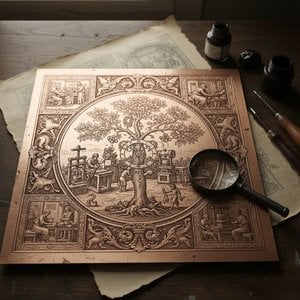
Explore the intricate world of etching and intaglio printmaking. Discover how masters use acid and metal to create profound textures and lines, from Romanticism to modern era, through an expert lens of art history and technical mastery.

Explore the profound mastery of engraving and intaglio printmaking. Delve into the rich history, technical precision of the burin, and the enduring legacy of fine art techniques that shaped the world's most iconic masterpieces.
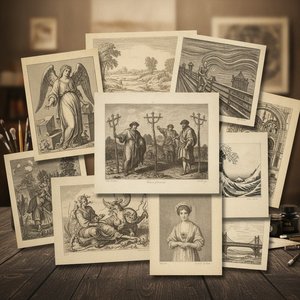
Journey through history with 10 legendary etchings that redefined art. From Rembrandt to Goya, explore the stories behind these timeless masterpieces and find museum-quality reproductions for your decor. Discover all masterpieces on WahooArt.com.

 プレビュー
プレビュー
 シェアする
シェアする シェアする
シェアする
 詳細を見る
詳細を見る

 ダウンロード
 似ている作品
 X線調査
X線調査 スライドショー
 Stats
Stats

 詳細を見る
詳細を見る









 ガラスオプションは、110cm未満のサイズでのみご利用いただけます。


