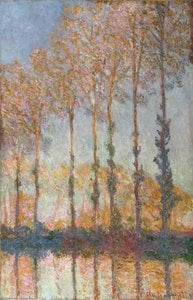
オンラインプレビューをはるかに凌ぐ、高解像度で鮮明なデジタル画像をご購入いただけます。
各ファイルは、社内の専門家が高度なツールと熟練した手作業によるレタッチを用いて、細心の注意を払って準備されています。すべての画像において、卓越した鮮明度、正確な色彩再現性、そして繊細なディテールを保証いたします。
最終ファイルは、プロフェッショナルな編集・印刷環境ですぐにご利用いただけるよう最適化された状態で、72時間以内にメールにてお届けいたします。これは、一流のデザインスタジオ、出版社、ギャラリーから信頼されているものと同等の品質です。
個人での鑑賞、印刷、クリエイティブなプロジェクト用に、高解像度ファイルをダウンロードできます。 ( プリント版に切り替え 手描きの絵画を購入)
WahooArt.com を選ぶことは、単に画像を手に入れることではありません。それは、プロの手によって精密に仕上げられ、満足保証が付いた高品質なデジタルアートワークを受け取ることを意味します。ご注文いただいた際に自動的に付随する内容は、以下の通りです:

ご注文から72時間以内に、高解像度のデジタル画像ファイルがメールでお手元に届きます。すぐにそのままご利用いただけます。

お客様の作品は、高度なAIツールと専門家による手作業の編集を組み合わせてプロフェッショナルに最適化されており、細部のディテール、鮮明さ、そして正確な色再現性を最大限に引き出しています。

ファイルを誤って削除したり、紛失してしまったりしましたか?ご安心ください。いつでも無料で再送いたします。

関税や手数料、配送料を気にすることなく、お気に入りのアートワークをすぐにお楽しみいただけます。デジタルダウンロードは常に免税です。

プロ仕様のツールとカラーマネジメント技術を用いることで、デジタル画像が元の色を最大限に忠実に再現することを保証いたします。

ご購入いただいたデジタル画像にご満足いただけない場合は、100日以内であれば、理由を問わず修正または100%の返金対応をさせていただきます。

ご満足いただけない場合は、デジタルファイルを受け取ってから100日以内であれば、理由を問わず全額返金いたします。

3枚購入で10%OFF - 5枚購入で15%OFF - 10枚以上購入で20%OFF。クリエイティブなプロジェクト、ギャラリー、エージェンシーに最適です。

The story of William Henry Clapp is one of movement, much like the shifting light he so passionately sought to capture on canvas. Born in Montreal in 1879 to American parents, Clapp’s identity was as fluid as his brushstrokes, embodying a unique Canadian-American heritage that allowed him to bridge different artistic worlds. His early years were marked by a profound connection to the landscapes of North America, yet it was his journey toward the heart of the European avant-garde that would ultimately define his creative soul. As he moved between the academic rigor of Montreal and the vibrant, experimental atmosphere of Paris, Clapp developed a vision that refused to be tethered to a single tradition, instead opting for a synthesis of classical foundation and modern innovation.
Clapp’s artistic maturation was deeply rooted in the prestigious academies of France. Studying at the Académie Julian, Académie Colarossi, and the Académie de la Grande Chaumière, he immersed himself in an era of radical transformation. It was here that the whispers of Impressionism and the bold, emotive colors of Fauvism began to reshape his perception. He did not merely observe the world; he sought to experience its atmospheric nuances through a lens of broken color and light. His time in Paris allowed him to absorb the brilliance of masters like Monet, leading him toward a personal style that danced on the edge of Pointillism. This technique—using small, distinct dots or strokes of color—allowed him to recreate the shimmering, ephemeral quality of sunlight filtering through autumn leaves or reflecting off a coastal tide.
Upon returning to the United States, Clapp found a new muse in the rugged, sun-drenched landscapes of Oakland, California. This period marked one of his most significant contributions to American art history. Alongside a group of like-minded visionaries, he co-founded the Society of Six, an influential collective that challenged the more conservative landscape traditions of the time. Working with artists such as Selden Connor Gile and August Gay, Clapp helped introduce a vibrant, high-keyed palette to the West Coast, heavily influenced by the French Fauvist movement. This group sought to capture the raw, unadulterated essence of the California landscape, prioritizing emotional resonance and color intensity over photographic accuracy.
His work during this era serves as a testament to his ability to adapt European sensibilities to American subject matter. Whether depicting the tranquil shores of a coastal landing or the lush, sun-dappled forests of the north, Clapp’s paintings possess an inherent vitality. His later works, characterized by a more pronounced Pointillist approach, demonstrate a lifelong commitment to exploring how light interacts with form. This dedication to the plein air tradition—painting directly from nature—ensured that his canvases remained deeply connected to the physical world, even as his technique moved toward abstraction.
Beyond the easel, Clapp’s impact on the art world was profoundly felt through his role as a custodian of culture. Serving as the Director of the Oakland Gallery (now known as the Oakland Museum) for over three decades, he played a pivotal role in shaping the aesthetic landscape of California. His dual identity as both a creator and a curator allowed him to foster an environment where new movements could flourish and where the public could engage with the evolving language of modern art. This period of leadership solidified his status not just as a painter of landscapes, but as a foundational figure in the development of American regionalism.
The historical significance of William Henry Clapp lies in his ability to weave together disparate threads of art history:


 プレビュー
プレビュー
 シェアする
シェアする シェアする
シェアする
 詳細を見る
詳細を見る

 ダウンロード
 似ている作品
 X線調査
X線調査 スライドショー
 統計情報
統計情報 詳細を見る
詳細を見る