
当社のアーティストが、お客様のご希望のサイズと額縁に合わせて、キャンバスに手描きで制作する油彩画です。 ( プリント版に切り替え デジタル画像販売へ切り替え)





























作品のオリジナル比率に合わせた、当店の規定サイズからお選びください。

特定のフレームやスペースに合わせて、ご希望のサイズをご入力いただけます。選択されたサイズが元の画像の比率と異なる場合、アートワークをトリミングするか、手描きで要素を追加して絵画を拡張いたします。デジタルモックアップ を制作し、制作開始前にご確認(承認)をいただきます。
画面上のプレビューは、実際のトリミングや拡張を正確に反映しているものではありません。最終的な構図は、モックアップによってのみ正確にご確認いただけます。
カスタムサイズもご利用いただけますが、元の比率を維持するためには、あらかじめ用意されたリストからサイズを選択することをお勧めいたします。

Arcade, Tunisia
複製画のサイズ
In his 1932 masterpiece, Arcade, Tunisia, William H. Johnson invites the viewer to step through a threshold of light and shadow, entering a world where architecture and humanity exist in a rhythmic, harmonious dance. The painting captures a bustling public arcade, defined by its striking red brick arches that frame the scene with a warm, architectural embrace. These sweeping curves do more than just provide structure; they act as portals, guiding the eye through a layered composition of depth and movement. Within this sheltered space, the artist depicts a lively tableau of daily life, where figures linger near doorways or rest upon benches, creating a sense of shared community. The atmosphere is one of tranquil vitality, capturing that fleeting, golden moment when the heat of the day begins to soften into the gentle hum of social connection.
Johnson’s approach to this work reflects a sophisticated mastery of color and form, blending elements of modernist abstraction with a profound sensitivity to light. The palette is dominated by earthy, sun-drenched tones—terracotta reds, warm ochres, and deep shadows—that evoke the Mediterranean climate and the tactile reality of the Tunisian landscape. His technique utilizes bold, deliberate strokes that lend a sense of weight and permanence to the brickwork, while simultaneously allowing for a fluid, almost musical movement among the people depicted. There is a rhythmic quality to the way the arches repeat across the canvas, mirroring the cadence of a heartbeat or the steady pulse of a city in motion.
To understand Arcade, Tunisia, one must consider the historical moment in which it was conceived. Created during a period when Johnson was refining his unique visual language, this painting serves as a testament to his ability to find universal truths within specific cultural landscapes. While Johnson is celebrated as a pivotal figure of the Harlem Renaissance, his travels and observations allowed him to weave a global tapestry into his work. In this piece, we see the precursor to his later, more iconic folk-modernist style—a way of stripping away unnecessary detail to reveal the essential spirit of a place. The arcade becomes a symbol of the crossroads, a space where the private lives of individuals intersect with the public grandeur of history and architecture.
For the discerning collector or interior designer, this painting offers much more than mere decoration; it provides an emotional anchor for a room. The warmth of the red brickwork and the inviting nature of the composition make it an ideal centerpiece for spaces that aim to evoke comfort, sophistication, and worldly curiosity. Whether placed in a sunlit gallery or a contemporary living space, the artwork radiates a sense of timelessness. It is a piece that rewards prolonged contemplation, offering new layers of light and shadow with every glance, and serving as a constant reminder of the beauty found in the quiet, bustling moments of our shared human experience.


1901 - 1970 , アメリカ合衆国
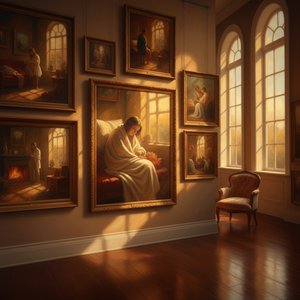
Explore the power of warm colors in art history! Discover how masters used reds, oranges & yellows to evoke emotion. Expert insights on Baroque drama, interior design & finding your perfect palette. WahooArt offers handmade reproductions.
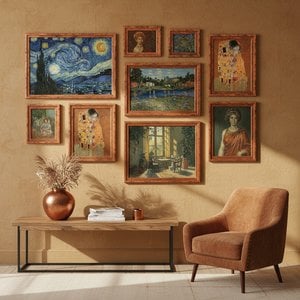
Explore 10 iconic paintings bathed in rich copper tones! From Rembrandt to Klimt, discover the stories behind these masterpieces & their warm color palettes. Find museum-quality art reproductions for your home at WahooArt.com.
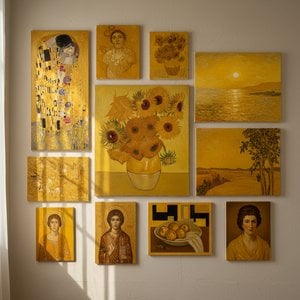
Explore 10 iconic paintings bathed in golden yellow ochre! From Van Gogh's sunflowers to Monet’s haystacks, discover the stories behind these masterpieces. Find museum-quality art reproductions & elevate your home decor on .

Explore the rich symbolism of the red dress in art history! From ancient power displays to iconic portraits like Cézanne’s 'Madame Cezanne', discover the cultural and artistic significance behind this captivating color. Expert analysis & insights.
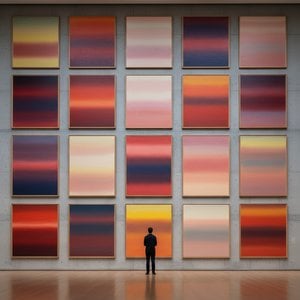
マーク・ロスコの傑作25選。抽象表現主義を代表する巨匠、色彩が織りなす深遠な世界を探求します。絵画の背景や技法、感動的なストーリーを紐解き、WahooArtで高品質なアートプリントをお楽しみください。リビングやオフィスにモダンアートを飾るなら!


 プレビュー
プレビュー
 シェアする
シェアする シェアする
シェアする
 詳細を見る
詳細を見る ガイド
ガイド

 ダウンロード
 似ている作品
 X線調査
X線調査 スライドショー
 統計情報
統計情報


 詳細を見る
詳細を見る









 ガラスオプションは、110cm未満のサイズでのみご利用いただけます。


