このページに掲載されている作品は著作権法によって保護されており、当社の許可なく同一の複製物を制作または販売することは法律で禁じられています。この保護は、以下のような国際条約に基づき執行されます。 ベルヌ条約 および、以下の条項に定められたものを含む各国の法律により、 米国著作権法 第17編。
この手法は、著作権で保護された作品の複製や複写を伴わないため、著作権法に完全に準拠しています。これは単なる模倣ではなく、創造的な再解釈です。元の作品からインスピレーションを受けつつも、それとは異なる、全く新しい絵画を生み出すものです。
スピーディーな制作と多彩な仕上げオプションが魅力の、ミュージアムクオリティなジークレー・キャンバスプリント。 ( 手描き複製画を注文する デジタル画像販売へ切り替え)





























作品のオリジナル比率に合わせた、当店の規定サイズからお選びください。

額縁や壁のスペースに合わせて、ご希望の幅と高さを入力してください。プリントはカットすることは可能ですが、元の画像より大きくすることはできないため、異なる比率のサイズを選択された場合は、画像の一部が欠けることになります。印刷を開始する前に、内容を確認していただくためのデジタルモックアップをお送りいたします。このページに表示されている画像は、実際のカット後の状態を示すものではありません。実際の仕上がりはモックアップにてご確認ください。
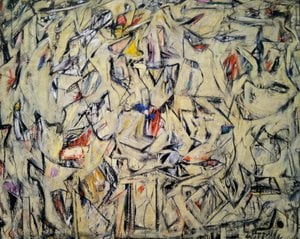
The Acrobat
複製画サイズ一覧
In Willem de Kooning’s 1942 masterpiece, The Acrobat, the viewer is immediately drawn into a profound state of quietude interrupted by an underlying tension. The painting presents a solitary man, dressed in a striking yellow shirt, seated in a moment of repose that feels far from peaceful. While his body remains still, his gaze is directed away from the observer, looking toward something unseen beyond the frame. This deliberate positioning creates an immediate sense of detachment and introspection, inviting those who stand before it to contemplate the complexities of the human psyche. There is a palpable melancholy in his expression, a feeling of being lost in thought, which transforms a simple portrait into a deep exploration of solitude.
Beyond its subject matter, The Acrobat serves as a powerful testament to the burgeoning movement of Abstract Expressionism. De Kooning eschews the precise, representational lines of traditional portraiture in favor of a more spontaneous and emotional language. The technique is characterized by thick, heavy impasto, where the paint is applied with such vigor that the canvas itself seems to pulsate with life. These expressive brushstrokes do not merely depict a man; they convey a state of being. The textured surfaces capture a sense of movement and struggle, as if the artist’s very gestures were an attempt to wrestle meaning from chaos. For the collector or interior designer, this piece offers a commanding presence, bringing a tactile, energetic dimension to any space.
To understand the true depth of this work, one must consider the historical shadow cast by its creation in 1942. As the world was gripped by the anxieties of World War II, de Kooning channeled that collective uncertainty into his art. The painting is rich with symbolic layers that speak to both resilience and mortality. While the man embodies the adaptability and inner fortitude of an acrobat—balancing through life's pressures—the inclusion of a clock on the wall serves as a poignant memento mori. It is a silent reminder of the relentless passage of time and the fleeting nature of existence. Through this delicate balance of subject and symbol, de Kooning creates a work that is not only visually captivating but emotionally resonant, making it an enduring inspiration for those who appreciate art that speaks to the very core of the human experience.
スライドショーはこちら:ウィレム・デ・クーニング作「The Acrobat」のスライドショーページ。
ウィレム・デ・クーニング作「The Acrobat」の作品に関する設置情報は、フォーマット(Portrait)と推奨される設置場所(Living Room)の2点です。
ウィレム・デ・クーニング作「The Acrobat」 の輝度は Soft Shadow です。輝度とは、色がどれほど光を反射しているかを表す指標です。
1904年、ロッテルダム。オランダの空気に漂うのは、変容の渦中にある家族の重みであった。4月24日、レンドルト・デ・クーニングとコルネリア・ノーベルの間に、ウィレム・デ・クーニングは生を受けた。彼の幼少期を決定づけたのは、家族の離別という経験であった。その離婚が残した心の空白は、彼の中に絶え間ない探求心と、どこか落ち着かない焦燥感として刻み込まれていく。この内なる喪失感は、彼が海を渡り、大西洋を越えた後も、影のように彼に付きまとった。1926年、彼は単なる旅人としてではなく、イギリスの貨物船に密航するという形でアメリカの地に降り立つ。バージニア州ニューポートニューズに上陸した彼は、未知なる新天地において、自らの居場所を求める孤独な異邦人であった。
ニューヨークという都市の荒々しさが、彼の現実となっていく。彼は自らの芸術的ヴィジョンを維持するために、家屋塗装や木工といった肉体労働に身を投じ、都市の広がりを生き抜いていった。この生存のための日々は、決して芸術への回り道ではなかった。それこそが、彼の表現の礎となったのである。彼は都市の鼓動を全身で吸収し、建設現場での肉体的な苦闘から、キャンバスの上での激しく身振り豊かな表現へと、そのエネルギーを昇華させていった。彼の存在は、厳格な訓練によって築かれた秩序ある世界と、ニューヨーク・スクールが放つ混沌としたエネルギーとの間で、絶え間ない対話を続けるプロセスそのものであった。
その後、彼は抽象表現主義運動の中心的役割を担う存在となり、数十年にわたる様式の変遷を経て、その影響力を強めていく。その表現は、都市の風景を描写することから、より本能的で、断片化された形態の言語へと進化を遂げていった。この芸術的な軌跡は、1997年3月19日、92歳でその生涯を閉じるまで、止まることなく続いていく。彼が遺した膨大な作品群は、絵具を通じて人間の精神の深淵を言葉にしようと試み続けた、生涯にわたる闘争の記録である。
1916年、ロッテルダム。教室の喧騒が遠のいていく。わずか12歳にして、ウィレム・デ・クーニングは正規の教育の場を離れ、商業美術の世界へと足を踏み入れた。彼は商業美術事務所での徒弟修行を開始し、職人としての技術的なメカニズムを一つひとつ身体に刻み込んでいく。そこでの焦点は、徹底した精密さと顔料の実際的な応用にあった。それは規律ある労働の時代であり、後に彼が抽象へと向かう過程においても、その根底に揺るぎない職人としての基礎を築き上げた重要な時期であった。
夜の時間は、アカデミー・ファン・ベールデ・デ・ビンドゥ・クンステン・エン・テクニッシェ・ヴェッテンシェン(造形芸術・技術科学アカデミー)に捧げられた。10代の頃から1924年に至るまで、彼はロッテルダムでこれらの講義を受け、仕事の重圧と正統な芸術学習との間で、危うい均衡を保ちながら日々を過ごしていた。彼は「見る」という行為を研ぎ澄ませ、形態を写し取り、視覚世界の構造を理解するための術を磨き続けていたのである。アカデミーを去る頃には、彼はもはや単なる徒弟ではなかった。技術的な習熟を深めた肖像画家として、被写体の面影を鮮明に捉える力を備えていたのだ。この集中した修練の時代こそが、大西洋を越えた先に待ち受けていた、劇的な芸術的変貌を遂げるための不可欠な糧となったのである。
大西洋を渡る航海は、影に潜むギャンブルのようなものだった。1926年、ウィレム・デ・クーニングは乗客としてではなく、イギリスの貨物船Shelleyの密航者としてアメリカの地に降り立つ。船がバージニア州ニューポートニューズに接岸したのは1926年8月15日のことである。そこから彼の運命は、ニューヨークという都市の荒々しい熱狂へと引き寄せられていく。当時のニューヨークは、まさに労働と生存のための過酷な風景そのものであった。彼は家屋塗装工や大工、そして商業美術家として働きながら、都市の喧騒を泳ぎ、自らの芸術的ビジョンを追い求めていく。こうした肉体労働は、彼を都市の生々しい現実へと繋ぎ止める一方で、その魂を研ぎ澄ませる糧となっていった。
1934年を迎える頃、芸術家としての承認を求める闘いは、より組織的な形を帯び始める。彼はアーティスト・ユニオン(芸術家組合)に身を投じ、ニューヨークのアートシーンが持つ集団的なエネルギーの渦中へと入り込んでいった。その生活は、決して平坦なものではなかった。商業美術が求める緻密な正確さと、日々の仕事が強いる重労働との間で、彼は激しく揺れ動く。この時期の彼は、後に自らの居場所となるこの街で、終わりのない日常の営みの中に身を置いていた。ニューヨークという巨大な社会の歯車の中で、彼は常に「アウトサイダー」であり続けながら、その内側から力強く活動を続けていたのである。
1930年代の初期、ウィレム・デ・クーニングは、具象的な表現と、芽生えつつあった抽象への衝動との間で揺れ動く緊張感の中にいた。1938年頃、彼はTwo Standing Menを制作する。この作品は、形態が完全に解体される以前の、人物像が持つ感覚を捉えた重要な一作である。こうした実験的な探求は、1950年代初頭における劇的な転換へと彼を導いていく。1950年から1953年にかけて制作されたWomanシリーズは、断片化され、本能的なまでの生々しさを持って女性像を描き出し、観る者に強烈な衝撃を与える一連の作品群である。これらの作品は、決して対象を理想化しようとはしていない。むしろ、荒々しい筆致を用いることで、人間の感情やセクシュアリティが持つ複雑な深淵を暴き出そうとしているのだ。
この極めて濃密な時期において、1950年から1952年にかけて誕生したのがWoman Iである。キャンバスはまさに格闘の場であり、そこでは人物像が厚塗りのインパストと不協和音を奏でる色彩の網目に囚われている。しかし、こうした人間像への執着は、やがて別の次元の空間的緊張感へと取って代わられることになる。1955年、彼はInterchangeを完成させた。この作品は、それまでの具象的な激しさから脱却し、広がりを見せる抽象的な都市の風景へと向かう転換点となった。その変遷は、空間と色彩の扱い方に鮮明に現れている。肉体的な生々しさに焦点を当てたWomanシリーズから、より建築的でジェスチャーに満ちた、ミッドセンチュリー特有の構成へと、彼の表現は進化を遂げたのである。
キャンバスは、肉体的な闘争が繰り広げられるアリーナへと変貌を遂げます。ウィレム・デ・クーニングは、攻撃的な筆致で画面を打ち据え、厚塗りのインパストを幾重にも積み上げることで、重厚で触覚的な地形を作り出していきます。彼は単に絵具を塗るのではなく、それを自在に操るのです。しばしば顔料にサラダ油を混ぜることで、ウェット・オン・ウェットの技法を駆使し、色彩の間に流動的で予測不可能な相互作用を生み出します。そこでは輪郭は曖昧に溶け合い、絶え間ない筆の動きから新たなテクスチャが浮かび上がります。彼の描く痕跡は、決して制御された静止したものではありません。むしろそれは、突発的で決然としたエネルギーを伴って構図を切り裂く、書道的な黒いイメージを残すジェスチュラルなものなのです。
彼は、単一のカテゴリーという安息を拒絶します。同時代のアーティストの多くが純粋な抽象へと向かう中で、ウィレム・デ・クーニングは、認識可能なものと混沌としたものとの間に、絶え間ない緊張感を維持し続けました。彼は抽象と具象を頻繁に融合させ、人間の形態の要素を、断片化された非線形な空間へと引きずり込みます。絡み合う筆致の中から顔が姿を現したかと思えば、次の絵具の層によって即座に解体されてしまうこともあります。このような、決定的な形に定着することを拒む姿勢が、「絶え間ない生成」という感覚を生み出しているのです。彼の作品は永続的な改訂のプロセスの中にあり、描くという行為そのものが、形を見つけ出そうとする葛藤と同義なのです。
具象から抽象へと向かうその劇的な転換は、他者との切磋琢磨の中で成し遂げられました。ニューヨークの地で、ウィレム・デ・クーニングはアルシレ・ゴルキーという偉大な師との出会いを見出します。二人の関係は極めて深いものでした。ゴルキーは、彼を実験的な試みへと駆り立て、伝統的な形態を解体するよう導いたマスターだったのです。この繋がりこそが、デ・クーニングの初期の都市風景と、晩年を定義づけることになる本能的な抽象表現とを繋ぐ架け橋となりました。彼は思想の荒野を彷徨いながら、スチュアート・デイヴィスやジョン・グラハムといった先駆者たちの影響を吸収し、その表現の語彙を、単なる写実的な描写から遠ざけていったのです。
彼が編み出した視覚言語は、相反する力の衝突から生まれています。キュビスムが教える構造的な教訓と、シュルレアリスムが持つ心理的な深淵、その両方から彼は糧を得ました。形態へのアプローチにはピカソの影響が色濃く感じられる一方で、フランツ・クラインの作品は、彼の制作活動に新たな次元をもたらしました。クラインから、彼はよりカリグラフィー(書法的)なアプローチを学び、白と黒のエナメルを用いた構成や、激しい筆致に代わる身振り豊かなマークを取り入れました。こうした進化は、かつての重厚な手法からの脱却を象徴しています。
やがて彼は、ニューヨーク・スクールの中心的な存在へと昇華していきます。ジャクソン・ポロックやリー・クラスナーといった巨匠たちを含むこのグループは、世界の芸術における創造的な中心地を再定義しました。彼らはそれまでの芸術運動に見られた無機質な形式主義を拒絶し、キャンバスが自発的で感情的な真実をぶつけ合う「アリーナ(闘技場)」となるような空間を求めたのです。この熱狂的な円環の中で、ウィレム・デ・クーニングの作品は、具象と抽象の間を揺れ動き続け、そのどちらか一方に完全に留まることを決して許しませんでした。
1943年、ウィレム・デ・クーニングの私生活における平穏な風景は、エレーヌ・フリードとの結婚によって大きな転換期を迎えます。二人の結びつきは、互いの芸術活動を支え合う精神的な連帯と、個人的な葛藤が複雑に絡み合ったものでした。彼らはアトリエを共有し、常に張り詰めた緊張感に満ちたニューヨークのアートシーンという荒波を、共に乗り越えていきました。その関係性は、開かれた精神を持ち、互いのキャリアを尊重し合うものでありながら、同時にアルコール依存という重い影にも常に苛まれていました。この緊張感こそが、激しい創作活動の熱量と、私生活における不安定さが同居した、彼らの歳月の本質を形作っていたのです。
1956年、娘のリサ・デ・クーニングの誕生により、家族の形は新たな局面へと進みます。しかし、その一方で、夫婦の間に生じた内なる亀裂は深まっていきました。1957年、二人は別離の道を選びます。その距離は、二人の共有された歴史における長い空白期間となり、その後20年近くにわたって続いていくことになります。同じ芸術界という枠組みの中で、職業的な活動が交差することはあっても、精神的な隔たりは消えることはありませんでした。しかし、1976年、ウィレム・デ・クーニングとエレーヌが再び手を取り合ったとき、ようやくその深い溝は閉じられたのです。
芸術の中心地が、パリの伝統的なサロンからアメリカの実験的な最前線へと移り変わる中、ウィレム・デ・クーニングはその変革の核心に位置していました。抽象表現主義運動の中心的役割を担った彼は、ニューヨークを世界の芸術の拠点として確立させる一翼を担ったのです。ニューヨーク・スクールの中心人物として、彼は20世紀半ばの視覚言語を再定義しました。それは、それまでの数十年にわたる無機質な形式主義から脱却し、キャンバスに対してより本能的、かつ身振り豊かなアプローチへと向かう、劇的な転換でした。
彼の及ぼした影響は、戦後直後の時代を遥かに超えて広がっています。抽象と具象の間に架け橋を築いたその卓越した手腕により、彼は20世紀を代表する最も重要なアメリカ人アーティストの一人と見なされています。既存の規範に安住することを拒絶し続ける彼の作品は、今なお議論を呼び起こし、観る者に畏敬の念を抱かせ続けています。混沌と秩序の間に漂う緊張感は、彼のキャンバスの中に脈々と息づいており、被写体の持つ生々しく、飼い慣らされることのない本質と対峙することを、私たちに突きつけてくるのです。

1904 - 1997 , オランダ

Discover the transformative power of premium abstract oil paintings. WahooArt offers bespoke, hand-painted masterpieces and expert art consultation to elevate luxury interiors with unmatched craftsmanship, authenticity, and global delivery.
 設置イメージを表示
 シェアする
シェアする シェアする
シェアする
 詳細を見る
詳細を見る ガイドを表示

 ダウンロード
 似ている作品
 X線調査
X線調査 スライドショーを表示
 Q&A
Q&A
 統計情報
統計情報

 詳細を表示
詳細を表示









 ガラスオプションは、110cm未満のサイズでのみご利用いただけます。