このページに掲載されている作品は著作権法によって保護されており、当社の許可なく同一の複製物を制作または販売することは法律で禁じられています。この保護は、以下のような国際条約に基づき執行されます。 ベルヌ条約 および、以下の条項に定められたものを含む各国の法律により、 米国著作権法 第17編。
敬意を払った法的な代替手段として、私たちはオリジナルにインスピレーションを与えられた、カスタムの手描きアートワークを提供しています。私たちの熟練したプロのアーティストは、元の作品が持つスタイル、情緒、そして芸術的なエッセンスを注意深く研究し、独自の創作物でありながら、同じ感性を呼び起こすような、新しくユニークな作品を作り上げます。
この手法は、著作権で保護された作品の複製や複写を伴わないため、著作権法に完全に準拠しています。これは単なる模倣ではなく、創造的な再解釈です。元の作品からインスピレーションを受けつつも、それとは異なる、全く新しい絵画を生み出すものです。
当社のアーティストが、お客様のご希望のサイズと額縁に合わせて、キャンバスに手描きで制作する油彩画です。 ( プリント版に切り替え デジタル画像販売へ切り替え)





























作品のオリジナル比率に合わせた、当店の規定サイズからお選びください。

フレームや壁のスペースに合わせて、ご希望の幅と高さを入力してください。本作品は手描きのため、異なる比率のサイズをご希望の場合、絵画の周囲を少し広げて描くか、あるいは端を少しカットして調整することが可能です。お客様のご要望に合わせます。制作を開始する前に、仕上がりを確認するためのデジタルモックアップをお送りいたします。このページに表示されている画像は完成品の実物ではなく、あくまでモックアップによるイメージです。
Meg
複製画サイズ一覧
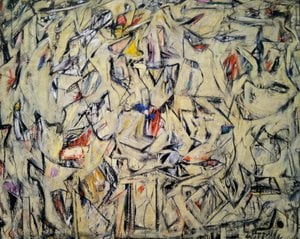
Willem de Kooning's 1955 work, “Meg,” is not a painting one simply *looks* at; it’s an experience. A swirling vortex of color and form rendered in oil, pastel, and collage on paper, “Meg” embodies the raw energy and emotional turbulence that define Abstract Expressionism. It's a piece that demands attention, pulling the viewer into its chaotic yet strangely harmonious depths. The painting eschews traditional representation, instead offering a fragmented glimpse into an internal landscape – a world of feeling rather than concrete imagery. While lacking a definitive subject in the conventional sense, hints of figuration emerge from the abstraction, suggesting perhaps a female form or interacting figures caught within a dynamic interplay of gesture and color.
To understand “Meg,” one must consider Willem de Kooning's remarkable journey. Born in Rotterdam in 1904, he immigrated to the United States in 1926, a pivotal move that would shape his artistic trajectory. Initially grappling with commercial art and realistic depictions of urban life, De Kooning gradually moved towards abstraction, influenced by encounters with fellow artists like Arshile Gorky and Jackson Pollock. The post-World War II era saw the rise of Abstract Expressionism in New York City, a movement that sought to express subjective emotional experience through spontaneous, automatic or subconscious creation. De Kooning became a central figure in this revolution, known for his bold brushwork and willingness to challenge conventional artistic boundaries. His earlier “Woman” series, though controversial for their aggressive depiction of the female form, paved the way for the more liberated abstraction seen in works like “Meg.” The year 1955 was particularly significant; it also saw the creation of "Interchange," another landmark painting demonstrating his evolving style and mastery of color.
“Meg” is a testament to De Kooning’s innovative technique. The layering of oil paint, pastel, and collage elements creates a rich, tactile surface that invites close inspection. The artist's characteristic brushstrokes – energetic, slashing, and often seemingly haphazard – build up layers of color and texture, generating a sense of movement and depth. The use of collage adds another dimension to the work, introducing fragments of paper that disrupt the smooth surface and further emphasize the painting’s fragmented nature. This isn’t about precise control; it's about embracing chance and allowing the materials to dictate aspects of the composition. The vibrant palette – a mix of reds, blues, yellows, greens, pinks, oranges, and whites – contributes to the painting’s emotional intensity, evoking feelings of both exhilaration and unease. The overall effect is one of controlled chaos, a carefully orchestrated explosion of color and form.
Ultimately, “Meg” transcends mere aesthetic appeal; it's a deeply emotive work that resonates with viewers on a visceral level. The painting’s ambiguity allows for multiple interpretations, inviting each individual to project their own feelings and experiences onto its surface. Some see echoes of human figures struggling within the abstract forms, while others perceive a landscape ravaged by emotional turmoil. Regardless of one's interpretation, “Meg” evokes a sense of raw energy, vulnerability, and the complexities of the human condition. It’s a powerful reminder that art can be more than just representation; it can be a direct expression of inner life, a window into the subconscious mind.
ヴィレム・デ・クーニング作「Meg」には、ガイドページをご用意しています。これは、学生や教室での学習用に設計された、印刷可能な作品解説シートです。
「Meg」は、Powerfulな感情を呼び起こします。この情緒的なトーンは、作品が与える印象を表しています。
ヴィレム・デ・クーニング作「Meg」はNeutralsのパレットを使用しており、Gray (#836267)が基調となっています。


1904 - 1997 , オランダ

Explore the profound emotional depth of Abstract Expressionism. From Pollock's dynamic drips to de Kooning's gestural mastery, our expert guide offers art collectors a sophisticated analysis of this transformative movement and its enduring legacy in modern fine art.
Unveil the visceral power of Abstract Expressionism. Our expert exploration delves into the transformative legacies of Pollock, Rothko, and De Kooning, offering discerning collectors a profound understanding of the New York School’s enduring mastery and historical impact.

 設置イメージを確認
 送る
送る シェア
シェア
 詳細情報
詳細情報 ガイドを表示

 画像をダウンロード
 似ている作品
 X線調査
X線調査 スライドショー
 統計情報
統計情報


 続きを読む
続きを読む









 ガラスオプションは、110cm未満のサイズでのみご利用いただけます。