プレビュー ARで試着 手描きの絵画を購入 デジタル画像販売へ切り替え シェアする
詳細を見る ガイド お気に入りに追加 ダウンロード 似ている作品 X線調査 スライドショー 統計情報

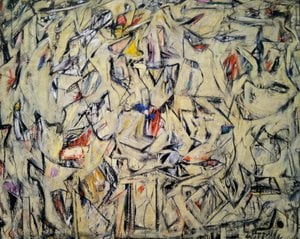
Door to the River

Explore Willem de Kooning’s ‘Door to the River’ – a dynamic Abstract Expressionist masterpiece blending pink, yellow & blue hues. Discover its significance within modern art and De Kooning's legacy.

ロッテルダム オランダ ヴィレム・デ・クーニング de Kooning 抽象表現主義を代表するヴィレム・デ・クーニング。大胆な筆致と感情的な強烈さが特徴の「Woman」シリーズや、ニューヨーク美術界に革命をもたらした作品群で知られます。現代アートの巨匠として、その影響は今もなお。 抽象表現主義 ニューヨーク・スクール アルシレ・ゴルキー 1904年4月24日 1997年3月19日 ヴィレム・デ・クーニング オランダ系アメリカ人 Woman I オランダ、ロッテルダム アメリカ合衆国 3 ヴィレム・デ・クーニングは、どの国で生まれましたか?

ジークレー/アートプリント

迅速な制作と多彩な仕上げオプションを備えた、ミュージアムクオリティのジークレーまたはキャンバスプリント。 ( 手描きの絵画を購入 デジタル画像販売へ切り替え)

P118B $10
P118H $10
P118W $10
P438Z $10
P508JH $12
P508YH $12
P805H $10
P805Z $10
P919BZ $10
P919G $10
P919XJ $10
P959ZH $10
P968JZ $12
W106C $8
W218G $10
W218JH $8
W218Y $10
W307PJ $10
W316G $10
W316PJ $8
W316Y $10
W398PJ $8
W4111J $10
W500HY $15
W500JH $15
W692G $12
W849H $8
W940BG $15
W953PJ $8

標準サイズ
オーダーメイド
CM
INCH

作品のオリジナル比率に合わせた、当店の規定サイズからお選びください。

高さ

特定のフレームやスペースに合わせて、ご自身でサイズを指定することも可能です。選択されたサイズが元の画像の比率と一致しない場合、作品をトリミングするか、鏡面反射または単色での塗りつぶしによって画像を拡張いたします。制作を開始する前に、ご確認用のデジタルモックアップをお送りいたします。
画面上のプレビューには、実際のトリミングや拡張は反映されませんのでご注意ください。最終的な構図を正確に確認できるのは、モックアップのみとなります。
カスタムサイズも承っておりますが、元の比率を維持するためには、あらかじめ用意されたリストからサイズを選択することをお勧めいたします。

世界中への配送()は、標準の4〜5週間ではなく、2週間でお届けいたします。(23 9月)

why_choose_icon
世界中へ無料エクスプレス配送
why_choose_icon
高品質なリネンキャンバス
why_choose_icon
配送時完全保険付
why_choose_icon
関税・輸入税の払い戻し保証
why_choose_icon
忠実な色彩再現保証
why_choose_icon
100日間返品保証(製造上の欠陥がある場合のみ)
why_choose_icon
100% 全額返金保証
why_choose_icon
まとめ買い割引のご案内

合計金額

$ 68

reproduction

Door to the River

ジークレー/アートプリント

複製画のサイズ

-

合計金額

$ 68

作品詳細

  • Artist: Willem de Kooning
  • Artistic style: Dynamic composition
  • Location: Whitney Museum, NY
  • Dimensions: 80 x 70 inches
  • Title: Door to the River
  • Notable elements: Expressive brushwork
  • Subject or theme: River landscape

アート・クイズ

各質問の正解は1つだけです。

問題 1:
What is the dominant color scheme in Willem de Kooning’s ‘Door to the River’?
問題 2:
The painting ‘Door to the River’ is primarily associated with which art movement?
問題 3:
What does the ‘doorway’ in ‘Door to the River’ symbolize, according to the description?
問題 4:
Which of the following best describes Willem de Kooning’s brushwork style as seen in ‘Door to the River’?
問題 5:
The painting ‘Door to the River’ was created in which year?

A Doorway to Emotion: De Kooning’s “Door to the River”

Willem de Kooning, a titan of 20th-century art, possessed an ability to wrestle with form and emotion in ways that continue to resonate profoundly. His work isn't merely representation; it’s a visceral exploration of the human condition, rendered through dynamic brushstrokes and a vibrant, often unsettling palette. “Door to the River,” painted in 1960, stands as a pivotal example of this approach, offering a glimpse into the artist’s evolving vision during a period of intense creative experimentation. The painting isn't simply a depiction of a riverbank; it’s an invitation – a doorway leading to a realm of feeling and memory. Initially conceived as a study for a larger mural project, its scale—a substantial 80 x 70 inches—amplifies the sense of immersion and immediacy that defines de Kooning's style. The composition is deceptively simple: a broad, ochre-toned doorway dominates the center of the canvas, flanked by a swirling expanse of pink, yellow, white, and brown hues that suggest both water and sky. Yet, within this apparent tranquility lies a palpable energy—a sense of movement and disruption that speaks to the complexities of experience.

The Language of Brushstroke: Technique and Style

De Kooning’s technique is instantly recognizable – a furious, almost violent application of paint that belies the painting's underlying emotional depth. He employed house painter’s brushes, deliberately eschewing the smooth, controlled strokes favored by some of his contemporaries. Instead, he layered thick impasto, creating a surface rich with texture and visual interest. The brushwork isn’t precise; it’s raw, spontaneous, and imbued with an almost palpable sense of urgency. Notice how the lines aren't always clean or defined—they bleed into one another, suggesting a constant state of flux and transformation. This technique wasn’t simply about applying paint; it was about channeling emotion directly onto the canvas. The painting exemplifies his move away from the more rigid structures of earlier works, embracing a looser, more expressive approach that mirrored his own restless spirit. The color palette itself is crucial – the warm yellows and browns ground the composition, while the pinks and blues evoke both serenity and unease, mirroring the duality inherent in memory and experience.

Context within Modern Art Movements: Beyond Abstract Expressionism

“Door to the River” resides firmly within the realm of Abstract Expressionism, a movement that sought to liberate art from representational constraints and explore the depths of subjective experience. However, de Kooning’s work transcends simple categorization. He pushed the boundaries of abstraction, incorporating elements of figuration—the suggestion of a doorway, the implied presence of figures—that challenged viewers to engage with the painting on multiple levels. The painting's creation coincided with a period of significant artistic ferment, following the dominance of Abstract Expressionism and preceding the rise of Postmodern art. De Kooning’s work served as a bridge between these movements, embodying the modernist ideals of experimentation and personal expression while simultaneously anticipating the ironic and self-aware approach of postmodernism. His influence can be seen in artists like Richard Clifford Diebenkorn Jr., who similarly explored abstract expressionism with a focus on capturing the essence of place and memory.

Symbolic Layers: The River, the Doorway, and Beyond

The symbolism within “Door to the River” is layered and open to interpretation. The doorway itself can be seen as a metaphor for transition—a passage between states of being, memories and realities. The river below represents fluidity, change, and perhaps even the subconscious mind. The figures glimpsed in the background – often interpreted as fragments of memory or reflections of the artist’s own psyche – add to this sense of ambiguity and invite viewers to project their own experiences onto the canvas. Some art historians suggest that the painting reflects de Kooning's personal struggles with identity and his evolving relationship with New York City, a city he both loved and wrestled with throughout his life. The overall effect is not one of straightforward narrative but rather an evocative exploration of feeling—a reminder that art can be as much about inviting contemplation as it is about depicting the visible world.

For those seeking to experience the power and dynamism of Willem de Kooning’s “Door to the River” firsthand, high-quality reproductions are available through WahooArt.com and WahooArt.com. Further exploration of de Kooning’s oeuvre, including his seminal work “Interchange,” can be found on Wikipedia: Wikipedia.


アーティストの略歴

ウィレム・デ・クーニング:抽象表現主義の魂

ウィレム・デ・クーニングは、20世紀美術史における最も重要な人物の一人として、その名が知られています。1904年、オランダのロッテルダムに生まれ、幼少期を経験した家族の離別は、彼の内に常に漂う探求心と焦燥感を育んだのかもしれません。12歳で学校教育を終え、商業美術の工房で技術を磨きながらも、既存の枠組みからの解放を求める渇望が、彼をアメリカへと駆り立てました。1926年、彼は密航という形で新大陸に足を踏み入れ、ニューヨークは彼の芸術的変貌の舞台となりました。家屋塗装や木工といった仕事を通して生活を支えながらも、デ・クーニングは都市の喧騒とエネルギーを吸収し、独自の表現へと昇華させていったのです。

都市の風景から抽象への転換

初期の作品には、ニューヨークの街並みや人々を描いたものが多く見られます。しかし、それらはあくまで通過点であり、より深く感情と形を探求するための準備期間でした。アルシーレ・ゴルキーとの出会いは、彼の芸術人生における転換点となりました。ゴルキーはデ・クーニングに抽象への扉を開き、伝統的な表現を解体し、より本質的な何かを追求する勇気を与えました。1930年代には、WPA(公共事業促進局)を通じて社会派のリアリズム作品にも取り組みましたが、それは彼の技術を磨く一方で、純粋な表象だけでは満たされない想いを強くしました。スタウト・デイビスやジョン・グラハムといった先駆者たちの影響を受けながら、彼は徐々に抽象的な表現へと傾倒していったのです。

「女性」シリーズ:芸術的ランドマーク

第二次世界大戦後、デ・クーニングは抽象表現主義運動の中心人物として台頭しました。この時期に制作された「女性」シリーズ(1950年 - 1953年)は、彼のキャリアにおける最も重要な業績の一つです。《Woman I》をはじめとするこれらの作品は、単なる女性像の描写ではなく、女性性、セクシュアリティ、そして人間の感情の複雑さを探求する激しい試みでした。荒々しい筆致、断片化された形態、そして対照的な色彩の組み合わせによって、「女性」シリーズは従来の美の概念を覆し、観る者に衝撃を与えました。それは、理想化されたイメージを描くことを拒否し、被写体の生々しい本質を捉えようとした彼の姿勢の表れでした。《グレイザー》や《発掘作業》といった作品も、テクスチャ、色彩、構成に対する卓越した技術力を示しており、混沌や曖昧さを芸術的表現の一部として積極的に受け入れたことが伺えます。

進化する風景と不朽の遺産

1960年代以降、デ・クーニングのスタイルは新たな展開を見せ始めます。抽象性は依然として彼の作品の中心に位置づけられていましたが、風景要素がより重要な役割を果すようになり、明るい色彩と流動的な筆致が特徴となりました。彼は生涯を通じて実験を続け、様々な技法や素材を探求し、決して現状に満足することはありませんでした。晩年の作品は、その核心となる芸術的原則に忠実でありながらも、自己変革を続ける驚くべき能力を示しています。ウィレム・デ・クーニングの歴史的な意義は否定できません。彼はニューヨークを世界の美術の中心地へと押し上げ、ヨーロッパの伝統に挑戦し、次世代のアーティストたちの道を切り開きました。彼の作品は今なお多くの人々に感動と議論を呼び起こし、抽象表現が人間の深遠な感情を伝える力を持つことを改めて認識させてくれます。1997年、デ・クーニングは永眠しましたが、その不朽の遺産は、20世紀美術における彼の揺るぎない貢献を証しています。彼の影響力は今もなお色褪せることなく、私たちに響き続けています。
ヴィレム・デ・クーニング

ヴィレム・デ・クーニング

1904 - 1997 , オランダ

基本情報

  • フルネーム: ウィレム・デ・クーニング
  • 主な作品:
    • Woman I
    • マリリン・モンロー
    • 再cline Man (JFK)
    • 発掘
  • 出生地: ロッテルダム、オランダ
  • 国籍: オランダ系アメリカ人
  • 影響を与えたアーティストまたは運動: ['ニューヨークスクール']
  • 影響を受けたアーティスト:
    • アルシル・ゴルキー
    • スチュアート・デイビス
    • ジョン・グラハム
  • 死亡年月日: 1997年3月19日
  • 生年月日: 1904年4月24日
  • 芸術運動またはスタイル: 抽象表現主義
テーマ、スタイル、特徴別に分類された作品を探索しましょう。