
アート相談を無料で

x
手描き複製画を注文する 手描き複製画を注文する画像を 購入する 画像を 購入する シェアするシェアする
詳細を見る詳細を見る お気に入りに追加 お気に入りに追加 ダウンロードダウンロード 似ている作品似ている作品 X線X線 スライドショースライドショー

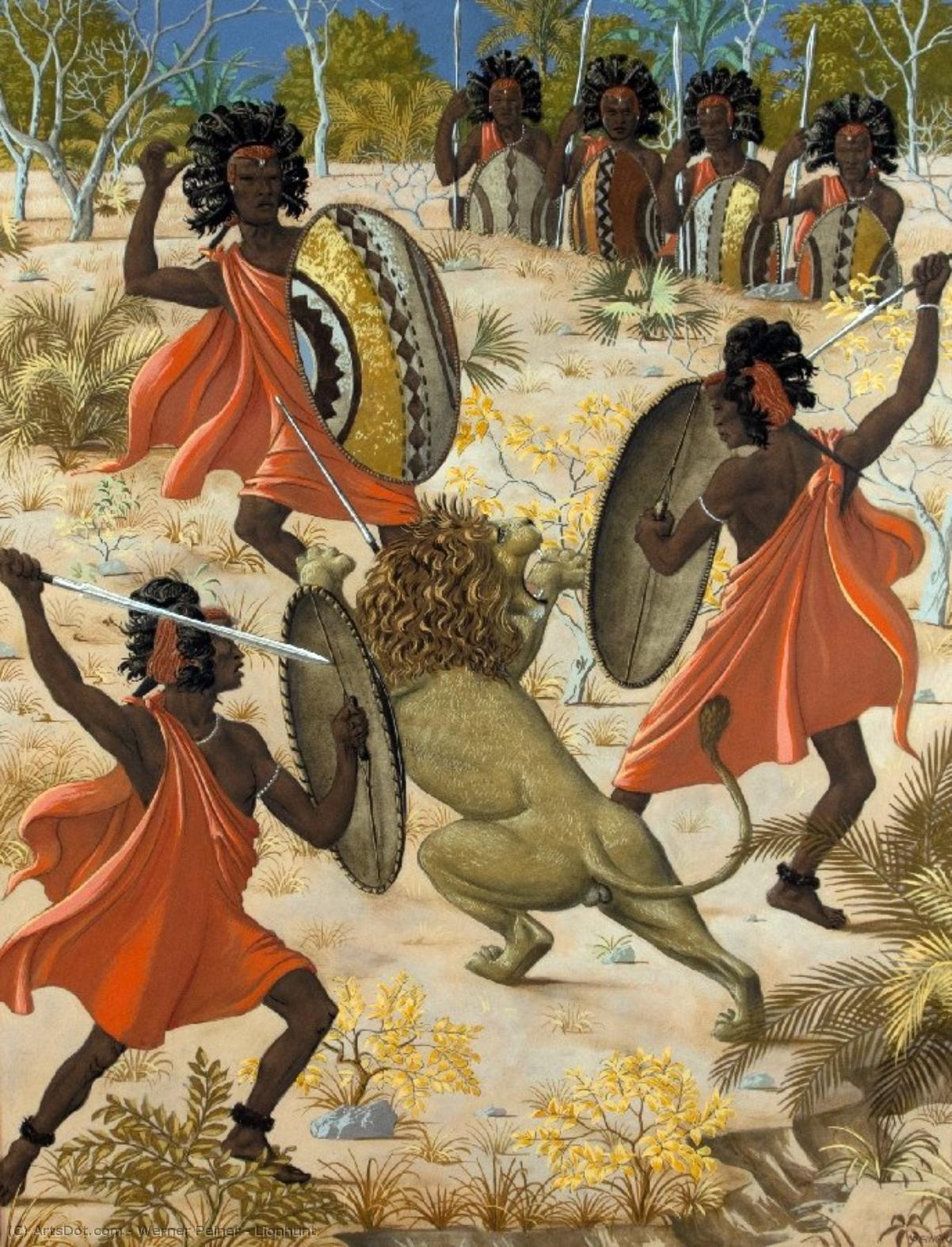
Lionhunt

Werner Peiner (1897-1984) was a German painter transitioning from Realism & New Objectivity to become a prominent official artist of the Third Reich. Explore his landscapes, portraits, and controversial role in Nazi art history.

ジークレー/アートプリント

迅速な制作と多彩な仕上げオプションを備えた、ミュージアムクオリティのジークレーまたはキャンバスプリント。

Standard
custom
CM
INCH

作品のオリジナル比率に合わせた、当店の規定サイズからお選びください。

高さ

特定のフレームやスペースに合わせて、ご自身でサイズを指定することも可能です。選択されたサイズが元の画像の比率と一致しない場合、作品をトリミングするか、鏡面反射または単色での塗りつぶしによって画像を拡張いたします。制作を開始する前に、ご確認用のデジタルモックアップをお送りいたします。
画面上のプレビューには、実際のトリミングや拡張は反映されませんのでご注意ください。最終的な構図を正確に確認できるのは、モックアップのみとなります。
カスタムサイズも承っておりますが、元の比率を維持するためには、あらかじめ用意されたリストからサイズを選択することをお勧めいたします。

世界中への配送()は、標準の4〜5週間ではなく、2週間でお届けいたします。(5 7月)

why_choose_icon
世界中へ無料エクスプレス配送
why_choose_icon
高品質なリネンキャンバス
why_choose_icon
配送時完全保険付
why_choose_icon
関税・輸入税の払い戻し保証
why_choose_icon
忠実な色彩再現保証
why_choose_icon
60日間返品保証(製造上の欠陥のみ)
why_choose_icon
100% 全額返金保証
why_choose_icon
まとめ買い割引のご案内

合計金額

-

reproduction

Lionhunt

ジークレー/アートプリント

複製画のサイズ

-

合計金額

-

関連作品


アーティストの略歴

Werner Peiner: A Painter Caught Between Realism and Nazi Ideology

Werner Peiner (20 July 1897 – 19 August 1984) was a German painter whose artistic journey spanned from the expressive currents of early Expressionism to the increasingly formalized aesthetic dictated by the Third Reich, ultimately cementing his position as one of its most prominent official artists. Born in Düsseldorf, Peiner’s formative years were steeped in the intellectual ferment of Weimar Germany, where he absorbed influences from figures like Wilhelm Döringer and embraced a style characterized by nuanced observation and emotional depth—a departure from purely representational art that would foreshadow his later allegiance to Nazi ideology.
  • Early Influences & Artistic Formation:
  • The Expressionist Spirit: Peiner’s initial artistic explorations found resonance in the expressive fervor of Expressionism, particularly evident in landscapes imbued with melancholic beauty and portraits capturing psychological complexity. His early works demonstrated a sensitivity to tonal modulation and textural variation—techniques honed during his studies at Düsseldorf Art Academy under Döringer.
  • New Objectivity & The Bauhaus Connection:
  • As the decade progressed, Peiner’s artistic sensibilities shifted toward New Objectivity, mirroring the broader intellectual currents of the time. This movement championed a detached yet precise depiction of reality, prioritizing clarity and geometric forms—a stylistic choice that reflected Peiner's engagement with the principles espoused by Bauhaus.

The Rise of Official Art & Patronage Under Göring

Peiner’s career took a decisive turn in 1933 with his appointment as professor at Düsseldorf Art Academy, coinciding with Hitler's ascent to power. This position afforded him access to influential figures like Hermann Göring, who recognized Peiner’s talent and championed his artistic vision. Göring actively supported Peiner’s endeavors, notably commissioning monumental tapestries for the New Reich Chancellery—a project that served as a powerful visual embodiment of Nazi propaganda's narrative of Germanic grandeur and spiritual renewal. The patronage extended beyond mere financial backing; it represented an endorsement of Peiner’s artistic sensibilities within the framework of the regime’s ideological ambitions.
  • Kronenburg Master Classes & Artistic Experimentation:
  • Peiner established Kronenburg Master School for Painting in 1936, attracting a cohort of aspiring artists who embraced his distinctive approach to landscape painting and portraiture. The school’s ethos—characterized by meticulous observation and stylistic innovation—reflected Peiner's commitment to upholding artistic standards while simultaneously aligning with the aesthetic imperatives of Nazi Germany.
  • The Gottbegnadeten List & Artistic Recognition:
  • In 1944, Peiner was included on Hitler’s “Gottbegnadeten Liste”—the list of twelve most important visual artists deemed worthy of protection by the Führer—a testament to his artistic reputation and Göring's unwavering support. This inclusion underscored the regime’s conviction that Peiner’s work represented the pinnacle of German artistic achievement.

Legacy & Controversial Significance

Despite facing censure for accepting Nazi patronage, Werner Peiner remains a significant figure in German art history. His landscapes—particularly “Early Morning in the Eifel Mountains”—capture the serene beauty of the Rhineland region with remarkable precision and tonal subtlety. However, his role as an official artist raises complex questions about artistic integrity and complicity within a totalitarian context. Peiner’s oeuvre serves as a poignant reminder of how art can be shaped by political forces—a legacy that continues to provoke scholarly debate and artistic contemplation.
Werner Peiner

Werner Peiner

1897 - 1984 , Germany

基本情報

  • Artistic Movement Or Style: New Objectivity & Realism
  • Artists Or Movements Influenced By This Artist: ['Expressionism']
  • Artists Who Influenced This Artist: ['W. Döringer']
  • Date Of Birth: July 20, 1897
  • Date Of Death: August 19, 1984
  • Full Name: Werner Peiner
  • Nationality: German
  • Notable Artworks:
    • Early Morning in the Eifel Mountains
    • Der Thronhimmel
  • Place Of Birth: Düsseldorf, Germany





































