
 Mixed MediaWallArtContemporary Art
 2015Contemporary
 34.0 x 20.0 cm
 ILHAM Gallery
当社のアーティストが、お客様のご希望のサイズと額縁に合わせて、キャンバスに手描きで制作する油彩画です。 ( プリント版に切り替え デジタル画像販売へ切り替え)





























作品のオリジナル比率に合わせた、当店の規定サイズからお選びください。

特定のフレームやスペースに合わせて、ご希望のサイズをご入力いただけます。選択されたサイズが元の画像の比率と異なる場合、アートワークをトリミングするか、手描きで要素を追加して絵画を拡張いたします。デジタルモックアップ を制作し、制作開始前にご確認(承認)をいただきます。
画面上のプレビューは、実際のトリミングや拡張を正確に反映しているものではありません。最終的な構図は、モックアップによってのみ正確にご確認いただけます。
カスタムサイズもご利用いただけますが、元の比率を維持するためには、あらかじめ用意されたリストからサイズを選択することをお勧めいたします。

Karachi III
複製画のサイズ
In the delicate, intricate world of Waseem Ahmed’s Karachi III, the viewer is invited into a space where history and architecture collide with profound emotional weight. Created in 2015, this miniature masterpiece serves as more than just a depiction of structural forms; it is a haunting meditation on displacement and the enduring presence of the past. The painting presents a striking composition of stone-like buildings crowned by domes, set against a visceral, saturated red background that commands immediate attention. This crimson expanse does not merely serve as a backdrop but acts as an atmospheric force, suggesting themes of passion, conflict, or perhaps the blood-stained memories of a migratory history. Through the careful arrangement of two prominent domes and secondary structures, Ahmed creates a sense of depth that pulls the eye into a complex, layered landscape where every architectural detail feels heavy with significance.
The artist’s technique is a masterful bridge between the ancient traditions of Pakistani miniature painting and the urgent language of contemporary art. Ahmed utilizes the meticulous precision characteristic of the Mughal tradition to render the sturdy, weathered textures of the buildings, yet he disrupts this classical serenity with experimental flourishes. The inclusion of subtle gold leaf or decorative elements adds an unexpected touch of elegance and light, catching the eye and providing a shimmering contrast to the somber, earthy tones of the masonry. This interplay between the matte surfaces of the stone and the reflective brilliance of the gold creates a tactile quality that makes the work feel alive, inviting collectors and designers alike to appreciate the physical craftsmanship inherent in this reproduction.
To understand Karachi III is to understand the biography of Waseem Ahmed himself. Born into a Muhajir family that experienced the trauma of migration following the Partition, Ahmed uses the miniature format—a medium traditionally used for courtly elegance—to portray subjects of deep political and personal pain. The architecture in this piece functions as a symbol of permanence and fragility; while the stone structures appear resolute, their placement within such an intense, monochromatic environment suggests a vulnerability to the tides of time and political upheaval. The domes, iconic symbols of religious and cultural identity, are rendered with a precision that honors tradition while simultaneously questioning whether the scars of history can ever truly heal.
For the discerning art lover or interior designer, this piece offers a sophisticated focal point that transcends mere decoration. It is an intellectual conversation piece, perfect for spaces that value depth, narrative, and cultural resonance. The painting’s ability to blend the delicate with the monumental makes it an ideal acquisition for those seeking to introduce a sense of contemplative luxury into a modern setting. Whether displayed in a private gallery or as part of a curated collection, Karachi III remains a powerful testament to the resilience of the human spirit and the enduring power of art to transform historical trauma into breathtaking beauty.

Waseem Ahmed (born 1976 in Hyderabad, Pakistan) stands as a prominent figure within the contemporary miniature painting landscape of Pakistan. His artistic journey began with a Bachelor’s degree in Fine Arts from University of Sindh followed by another focused exploration into the intricate art form of miniature painting at National College of Arts Lahore—a foundation that profoundly shaped his distinctive style and worldview.
Ahmed’s artistic vision transcends mere replication; he seeks to engage with complex social, political, and cultural narratives. His vocabulary draws inspiration from both Asian and European art history and mythology—a deliberate juxtaposition that encourages viewers to contemplate multifaceted perspectives.
His works often depict scenes imbued with symbolic resonance – animals representing spiritual concepts, bearded men embodying wisdom and authority, and surfaces bearing traces of violence or contemplation. These elements converge to create layered meanings that invite introspection and challenge conventional interpretations.
Ahmed’s artistic style is characterized by meticulous detail and a masterful command of color—particularly the use of gold leaf and silver leaf on wasli paper, techniques rooted in Mughal painting history. This stylistic choice isn't simply nostalgic; it represents a conscious effort to honor heritage while simultaneously pushing boundaries.
Ahmed consistently tackles pressing social issues—conflict, displacement, and cultural identity—through his miniature paintings. His imagery is rich in symbolism, drawing upon archetypal figures and motifs from Asian and European traditions.
Ahmed’s oeuvre encompasses a diverse range of subjects—from landscapes to portraits to narratives inspired by folklore—each meticulously rendered in miniature scale.
Waseem Ahmed’s enduring legacy rests on his unwavering dedication to preserving the traditions of miniature painting while simultaneously embracing innovation—a testament to his artistry and a beacon for future generations of Pakistani artists.

1976 - , Pakistan

Embark on a visual journey through the world's most radiant masterpieces. Discover how gold leaf, impasto textures, and gilded tones define luxury in fine art, from Byzantine icons to modern abstracts. Explore the eternal allure of gold in curated, museum-quality art collections.
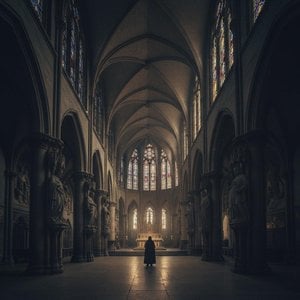
Embark on a journey through the dramatic era of Gothic art. Discover the profound beauty of illuminated manuscripts, sacred gold leaf masterpieces, and the transition to naturalism in this expert-led exploration of medieval artistry and historical grandeur.
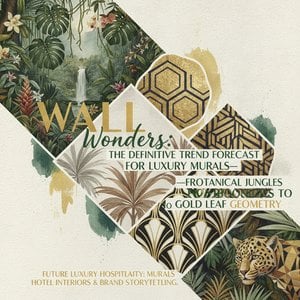
Elevate your hospitality projects with our expert trend forecast on luxury murals. From biophilic botanical jungles to opulent gold leaf geometry, discover how bespoke large-scale wall art and custom frescoes can transform hotel interiors into unforgettable architectural statements.
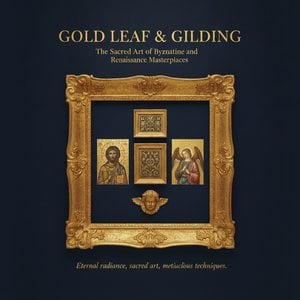
Explore the divine mastery of Byzantine gold leaf and gilding. Discover how ancient artisans used gold ground and mosaics to create celestial light, a timeless legacy of spiritual splendor and technical excellence in sacred art history.
Explore the exquisite elegance of International Gothic art. Discover the mastery of illuminated manuscripts, the brilliance of gold leaf, and the legacy of the Limbourg Brothers in this expert guide to Europe's sophisticated medieval dawn.


 プレビュー
プレビュー
 シェアする
シェアする シェアする
シェアする
 詳細を見る
詳細を見る ガイド
ガイド

 ダウンロード
 似ている作品
 X線調査
X線調査 スライドショー
 統計情報
統計情報 詳細を見る
詳細を見る









 ガラスオプションは、110cm未満のサイズでのみご利用いただけます。


