

 Literati Painting
 120.0 x 40.0 cm
このページに掲載されている作品は著作権法によって保護されており、当社の許可なく同一の複製物を制作または販売することは法律で禁じられています。この保護は、以下のような国際条約に基づき執行されます。 ベルヌ条約 および、以下の条項に定められたものを含む各国の法律により、 米国著作権法 第17編。
敬意を払った法的な代替手段として、私たちはオリジナルにインスピレーションを与えられた、カスタムの手描きアートワークを提供しています。私たちの熟練したプロのアーティストは、元の作品が持つスタイル、情緒、そして芸術的なエッセンスを注意深く研究し、独自の創作物でありながら、同じ感性を呼び起こすような、新しくユニークな作品を作り上げます。
この手法は、著作権で保護された作品の複製や複写を伴わないため、著作権法に完全に準拠しています。これは単なる模倣ではなく、創造的な再解釈です。元の作品からインスピレーションを受けつつも、それとは異なる、全く新しい絵画を生み出すものです。
当社のアーティストが、お客様のご希望のサイズと額縁に合わせて、キャンバスに手描きで制作する油彩画です。 ( プリント版に切り替え デジタル画像販売へ切り替え)
作品のオリジナル比率に合わせた、当店の規定サイズからお選びください。

フレームや壁のスペースに合わせて、ご希望の幅と高さを入力してください。本作品は手描きのため、異なる比率のサイズをご希望の場合、絵画の周囲を少し広げて描くか、あるいは端を少しカットして調整することが可能です。お客様のご要望に合わせます。制作を開始する前に、仕上がりを確認するためのデジタルモックアップをお送りいたします。このページに表示されている画像は完成品の実物ではなく、あくまでモックアップによるイメージです。
Cat
複製画サイズ一覧

In the twilight of the Qing Dynasty and the dawn of the Republican era, a period marked by profound cultural transformation, the works of Wang Li Mu emerged as a serene sanctuary of tradition. Born around 1864 in the vibrant cultural hub of Tianjin, China, Wang was destined for a life where the boundaries between literature and visual art would dissolve. Raised within a family deeply rooted in scholarly pursuits, his early years were defined by a rigorous immersion in classical Confucian learning. This intellectual foundation provided more than just knowledge; it offered him a spiritual vocabulary that would later allow him to translate the intangible essence of nature onto silk and paper. His initial fascination with calligraphy, particularly the rhythmic energy of cursive script, served as the fundamental heartbeat of his artistic development, instilling in him a meticulous reverence for every stroke and a profound understanding of the balance between strength and fluidity.
The artistry of Wang Li Mu is perhaps most profoundly understood through its dialogue with the poetic spirit of Du Mu. Much like the celebrated Tang Dynasty poet, Wang sought to capture the emotional resonance and humanist ideals found within the natural world. His landscapes are not merely topographical records but are lyrical evocations of tranquility, harmony, and the sublime. Through his eyes, a mountain is not just stone and earth, but a vessel for stillness; a river is not just flowing water, but a symbol of the eternal passage of time. This connection to the Tang aesthetic allowed him to bridge the gap between the physical landscape and the internal landscape of the human soul, creating works that resonate with a sense of historical continuity and spiritual depth.
To observe a Wang Li Mu landscape is to witness a masterclass in the controlled spontaneity of ink wash painting. His technique was characterized by an extraordinary ability to manipulate subtle tonal gradations, achieved through the patient layering of translucent washes. This method allowed him to create a sense of atmospheric perspective that feels almost palpable, as if a light mist were perpetually drifting through his valleys. His compositions often feature recurring motifs such as:
The influence of his calligraphic training is inseparable from his painting style. The same energy used to execute a sweeping cursive character can be found in the way he defines a shoreline or a distant ridge. This synthesis of calligraphy and landscape represents the pinnacle of the literati tradition, where the artist's hand serves as a direct conduit for their inner cultivation. In works such as his serene depictions of animals or his intricate gatherings of scholars, one finds an unwavering commitment to sincerity and observation, ensuring that every element of the composition contributes to a larger, unified emotional truth.
As a figure operating during the transition from the late Qing to the early Republican period, Wang Li Mu held a significant place in preserving the integrity of traditional Chinese aesthetics amidst a changing world. While many artists of his era were beginning to look toward Western influences, Wang remained a steadfast guardian of the classical tradition, refining and revitalizing the techniques of his ancestors. His ability to imbue traditional genres with a fresh, lyrical vitality ensured that the spirit of the Tang and Song masters continued to breathe within a modern context.
His historical significance lies in this very act of cultural preservation and poetic expansion. By weaving the rhythmic discipline of calligraphy into the atmospheric depth of landscape painting, he created a body of work that serves as a bridge between eras. Today, his legacy is felt in the enduring power of his imagery—a testament to a life spent seeking the profound within the simple, and finding the eternal within the fleeting strokes of a brush. His works remain vital touchstones for anyone seeking to understand the deep, symbiotic relationship between the Chinese poetic voice and the visual language of the natural world.
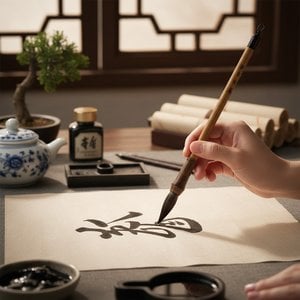
Embark on a profound journey through the soul of Chinese calligraphy. Explore the historical mastery of ink, brush, and script, from ancient Zhuanshu to elegant running script, and discover how this timeless art form reflects the enduring spirit of classical East Asian aesthetics.
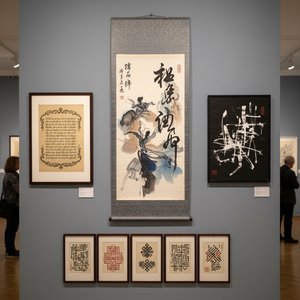
Explore the profound beauty of calligraphy art. From the fluid running script of Chinese masters to historical ink masterpieces, discover how the elegance of line transforms spaces with timeless grace and scholarly sophistication.

Embark on a scholarly journey through the alchemy of lithography. This definitive guide offers collectors profound insights into the chemical mastery of stone and ink, the medium's historical legacy, and essential expertise for acquiring rare, museum-quality prints with absolute confidence.

Discover the art of high-end Giclée and fine art reproductions. Our expert guide explores pigment-based inks, museum-grade substrates, and premium textured prints for the discerning collector seeking archival excellence and unparalleled color fidelity.
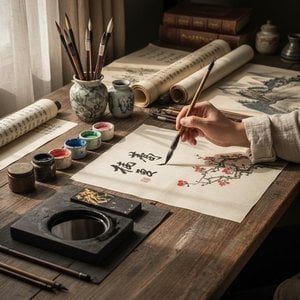
Embark on a sophisticated exploration of ink wash painting and Sumi-e. Uncover the profound historical lineages, Zen philosophies, and technical mastery behind this timeless medium in our authoritative guide for fine art enthusiasts.

 設置イメージを確認
 送る
送る シェア
シェア
 詳細情報
詳細情報 ガイドを表示

 画像をダウンロード
 似ている作品
 X線調査
X線調査 スライドショー
 統計情報
統計情報 続きを読む
続きを読む






































 ガラスオプションは、110cm未満のサイズでのみご利用いただけます。


