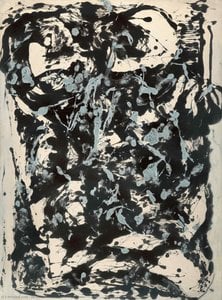
1999
1999 246.0 x 146.0 cm
このページに掲載されている作品は著作権法によって保護されており、当社の許可なく同一の複製物を制作または販売することは法律で禁じられています。この保護は、以下のような国際条約に基づき執行されます。 ベルヌ条約 および、以下の条項に定められたものを含む各国の法律により、 米国著作権法 第17編。
敬意を払った法的な代替手段として、私たちはオリジナルにインスピレーションを与えられた、カスタムの手描きアートワークを提供しています。私たちの熟練したプロのアーティストは、元の作品が持つスタイル、情緒、そして芸術的なエッセンスを注意深く研究し、独自の創作物でありながら、同じ感性を呼び起こすような、新しくユニークな作品を作り上げます。
この手法は、著作権で保護された作品の複製や複写を伴わないため、著作権法に完全に準拠しています。これは単なる模倣ではなく、創造的な再解釈です。元の作品からインスピレーションを受けつつも、それとは異なる、全く新しい絵画を生み出すものです。
当社のアーティストが、お客様のご希望のサイズと額縁に合わせて、キャンバスに手描きで制作する油彩画です。 ( プリント版に切り替え デジタル画像販売へ切り替え)
作品のオリジナル比率に合わせた、当店の規定サイズからお選びください。

フレームや壁のスペースに合わせて、ご希望の幅と高さを入力してください。本作品は手描きのため、異なる比率のサイズをご希望の場合、絵画の周囲を少し広げて描くか、あるいは端を少しカットして調整することが可能です。お客様のご要望に合わせます。制作を開始する前に、仕上がりを確認するためのデジタルモックアップをお送りいたします。このページに表示されている画像は完成品の実物ではなく、あくまでモックアップによるイメージです。
Untitled
複製画サイズ一覧
「Untitled」には、専用の統計情報ページがあります。このページでは、その作品およびアーティストの他の作品の月間訪問者数を、国別・言語別の内訳とともにグラフで表示しています。
「Untitled」の形式はTallで、原寸は246 x 146 cmです。どちらの情報も、複製を作成する際の参考になります。
Wang Dongling作「Untitled」 の色彩分析は、Statement なコントラストと Strong Color Unity な調和を記録しています。

Wang Dongling, born in Rudong, China, in 1945, stands as one of the most revered figures in contemporary Chinese art. His journey is a fascinating synthesis of rigorous classical training – specifically, his deep immersion in traditional calligraphy – with an increasingly bold exploration of abstract expressionism. More than simply an artist, Dongling embodies a bridge between centuries-old artistic heritage and the dynamic spirit of modern China, forging a unique visual language that continues to captivate audiences worldwide.
Dongling’s early life was steeped in the discipline of calligraphy. He began his formal training at the Zhejiang Academy, laying a foundational understanding of brushwork, ink control, and the profound philosophical undercurrents embedded within Chinese writing. This grounding proved crucial as he later transitioned to a more experimental approach, driven by an insatiable curiosity about the possibilities beyond representational art. His shift wasn’t abrupt; rather, it was a gradual evolution fueled by exposure to Western abstract expressionism – movements like those of Pollock and Rothko – which ignited within him a desire to liberate calligraphy from its traditional constraints.
Dongling’s most recognized body of work, often referred to as “calligraphic paintings,” represents the culmination of this transformative journey. These monumental pieces are not mere imitations of calligraphy; they are entirely new artistic expressions born from a deep respect for their roots. He describes these works as "poetry painted," meticulously layering calligraphic forms onto vast canvases with an almost meditative intensity. The process is deeply performative, often involving extended periods of intense brushwork and physical exertion – mirroring the very act of writing itself.
Central to Dongling’s approach is his deliberate use of monochrome palettes, predominantly shades of grey. This choice isn't arbitrary; it serves to heighten the focus on texture, gesture, and the inherent dynamism of the ink. The absence of color forces the viewer to engage with the materiality of the medium – the subtle variations in tone, the delicate interplay of wet and dry brushstrokes, and the sheer physicality of the artwork. His work is frequently described as “abstract ink art,” a term that accurately captures its unique blend of tradition and innovation.
A defining characteristic of Dongling’s practice is his incorporation of performance into the creation of his ‘calligraphic paintings.’ He doesn't simply apply ink to canvas; he *performs* the act of writing, translating poems – often from classical Chinese literature – into gestural abstractions. These performances are not mere demonstrations of skill but deeply ritualistic events, imbued with a sense of spiritual intensity. As Roberta Smith noted in her New York Times review, Dongling “liberates calligraphic gesture, form and space from the bounds of text.”
This emphasis on embodied action is further explored through his technique of ‘chemical photography.’ By directly applying ink to silver-gelatin photographic paper, he captures the very traces of his movements – the pressure of his brush, the angle of his hand, the subtle shifts in tone. This process creates a layered dialogue between performance and image, revealing the intimate connection between the artist’s body and the artwork.
Wang Dongling's work has garnered widespread recognition both within China and internationally. He is considered one of the foremost living calligraphers in China, holding the distinction of being granted three solo exhibitions at the National Art Museum of China. His pieces have been exhibited extensively across Europe, North America, and Asia, including prestigious venues such as the Metropolitan Museum of Art in New York and the British Museum in London.
Currently, Dongling serves as Director of the Modern Calligraphy Research Center at the China Academy of Arts in Hangzhou, continuing to nurture and promote the art form he has so profoundly shaped. His legacy extends beyond individual artworks; he represents a vital link between China’s rich artistic past and its dynamic future, demonstrating how tradition can be both honored and reimagined through innovative expression.

1945 - , China

 設置イメージを確認
 送る
送る シェア
シェア
 詳細情報
詳細情報 ガイドを表示

 画像をダウンロード
 似ている作品
 X線調査
X線調査 スライドショー
 統計情報
統計情報 続きを読む
続きを読む






































 ガラスオプションは、110cm未満のサイズでのみご利用いただけます。