
 Late Medieval Art
 1335
1335 93.0 x 51.0 cm
 テイスセン・ボルネミスザ美術館
迅速な制作と多彩な仕上げオプションを備えた、ミュージアムクオリティのジークレーまたはキャンバスプリント。 ( 手描きの絵画を購入 デジタル画像販売へ切り替え)
作品のオリジナル比率に合わせた、当店の規定サイズからお選びください。

特定のフレームやスペースに合わせて、ご自身でサイズを指定することも可能です。選択されたサイズが元の画像の比率と一致しない場合、作品をトリミングするか、鏡面反射または単色での塗りつぶしによって画像を拡張いたします。制作を開始する前に、ご確認用のデジタルモックアップをお送りいたします。
画面上のプレビューには、実際のトリミングや拡張は反映されませんのでご注意ください。最終的な構図を正確に確認できるのは、モックアップのみとなります。
カスタムサイズも承っておりますが、元の比率を維持するためには、あらかじめ用意されたリストからサイズを選択することをお勧めいたします。

Crucifixion
複製画のサイズ

Vitale da Bologna, a name whispered through the corridors of art history as the definitive master of the Bolognese Gothic, emerged from the vibrant cultural landscape of 14th-century Italy to leave an indelible mark on the Early Renaissance. Born in Bologna around 1289 or 1309, his life and work represent a profound bridge between the stylized elegance of the medieval era and the burgeoning humanism that would soon redefine European art. Known by various names including Vidolino and Vitale d’Aimo de’ Cavalli, he was an artist whose brush captured the spiritual intensity of his age while introducing a new, emotive depth to religious iconography.
The foundations of Vitale’s aesthetic were laid in the coastal city of Rimini. It was here that he encountered the distinctive influence of Pietro da Rimini, a style characterized by luminous, cool pink hues and elongated, graceful figures. This Riminese elegance, marked by a delicate handling of light and a certain ethereal quality, became a cornerstone of his visual language. As his talent matured, Vitale began to weave these stylistic threads into a larger tapestry, absorbing the monumental gravity of Giotto di Bondulence and the refined, courtly grace of Simone Martini. This unique synthesis allowed him to move beyond mere imitation, creating a style that was simultaneously grounded in tradition and forward-looking in its expressive potential.
The breadth of Vitale’s oeuvre is a testament to his versatility and his deep connection to the religious fervor of the 14th century. His works, scattered across prestigious locations such as Pomposa Abbey and Udine Cathedral, serve as windows into a world where the divine and the earthly were intimately entwined. In his depictions of the Madonna and Child, one finds a tender, humanized divinity; his Madonnas possess a maternal warmth that invites the viewer into a moment of quiet contemplation, yet they retain a regal, iconographic majesty.
Beyond the serene, Vitale was a master of narrative tension and dramatic movement. His St George’s Battle with the Dragon stands as a breathtaking example of Gothic dynamism, where the struggle between faith and evil is rendered through striking geometric forms and a sense of kinetic energy. Similarly, his Crucifixion (1335) showcases his ability to utilize rich detail and precious gold leaf to elevate the tragedy of the Passion, transforming a scene of profound suffering into a shimmering, symbolic masterpiece of Christian devotion. Through the use of impasto and carefully orchestrated color palettes, he breathed life into sacred stories, making them palpable and emotionally resonant for the faithful.
The historical importance of Vitale da Bologna lies in his role as a pivotal figure in the evolution of the Bolognese school. He did not merely inhabit an era; he helped shape its visual identity. By blending the formal rigidity of Gothicism with the emerging naturalism of the early Renaissance, he provided a blueprint for subsequent generations of Italian painters. His ability to balance the symbolic requirements of religious art with a burgeoning interest in human emotion and physical presence was a precursor to the great humanist revolutions of the following century.
Today, the works of Vitale da Bologna continue to captivate scholars and art lovers alike. His legacy is found in:
As we look back upon his prolific career, Vitale remains a cornerstone of Italian art, a painter who captured the transition from the medieval soul to the Renaissance mind with unparalleled grace and spiritual power.

1299 - 1365 , Italy

Embark on a visual journey through Early Medieval art. Explore the profound beauty of illuminated manuscripts, sacred symbols, and golden light through an expert historical lens, celebrating the enduring legacy of medieval craftsmanship and divine artistry.

Embark on a scholarly journey through the spiritual grandeur of Late Medieval art. Discover the intricate symbolism, technical mastery, and profound religious narratives that define the Gothic era in this expert-led guide for art enthusiasts and collectors.

Embark on a scholarly journey through the sacred beauty of High Medieval art. Discover the profound symbolism, luminous iconography, and spiritual depth of Gothic masterpieces in this expert guide for classical art enthusiasts.
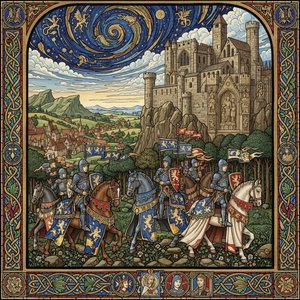
Explore the profound beauty of medieval art through the lens of history. Discover the symbolism of knights, the divine frescoes of Giotto, and how legendary masterpieces continue to inspire modern collectors and lovers of chivalric heritage.

Embark on a journey through time with our deep dive into the exquisite beauty of illuminated manuscripts. Discover the sacred artistry, precious materials, and enduring legacy of medieval illumination in this cultural exploration for history lovers.


 プレビュー
プレビュー
 シェアする
シェアする シェアする
シェアする
 詳細を見る
詳細を見る

 ダウンロード
 似ている作品
 X線調査
X線調査 スライドショー
 統計情報
統計情報 詳細を見る
詳細を見る






































 ガラスオプションは、110cm未満のサイズでのみご利用いただけます。


