
当社のアーティストが、お客様のご希望のサイズと額縁に合わせて、キャンバスに手描きで制作する油彩画です。 ( プリント版に切り替え デジタル画像販売へ切り替え)





























作品のオリジナル比率に合わせた、当店の規定サイズからお選びください。

特定のフレームやスペースに合わせて、ご希望のサイズをご入力いただけます。選択されたサイズが元の画像の比率と異なる場合、アートワークをトリミングするか、手描きで要素を追加して絵画を拡張いたします。デジタルモックアップ を制作し、制作開始前にご確認(承認)をいただきます。
画面上のプレビューは、実際のトリミングや拡張を正確に反映しているものではありません。最終的な構図は、モックアップによってのみ正確にご確認いただけます。
カスタムサイズもご利用いただけますが、元の比率を維持するためには、あらかじめ用意されたリストからサイズを選択することをお勧めいたします。

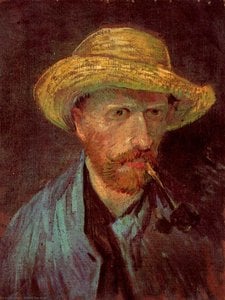
Self-portrait
複製画のサイズ
This self-portrait, created by Vincent van Gogh in 1887, offers an intimate glimpse into the artist’s psyche during a pivotal period of his artistic development. It is characterized by the intense emotionality and distinctive brushwork that would come to define his signature post-impressionistic style. The artwork stands as a testament to Van Gogh's relentless self-examination and his evolving mastery of color and texture.
The painting exemplifies the core tenets of post-impressionism, moving beyond the purely optical concerns of impressionism to explore subjective emotions and symbolic meaning. Van Gogh’s technique is immediately recognizable through his use of short, broken brushstrokes applied with a palpable energy. These strokes aren't blended smoothly; instead, they remain distinct, creating a vibrant, textured surface that seems almost sculptural. The colors are bold and expressive – greens, blues, reds, and oranges intermingle to convey not just the appearance of Van Gogh’s face but also his inner state. This technique, influenced by Georges Seurat's pointillism, is transformed in Van Gogh's hands into a powerful tool for emotional expression.
This self-portrait was painted during a period of significant change and experimentation for Van Gogh. Having recently moved from the Netherlands to Paris, he was immersed in the vibrant artistic scene and exposed to new ideas and techniques. He absorbed influences from Impressionism and Neo-Impressionism but ultimately forged his own unique path, rejecting their purely observational approach in favor of a more emotionally charged style. The portrait reflects this transition – it’s an early example of his signature brushwork, hinting at the intensity that would characterize his later works.
Beyond its aesthetic qualities, the self-portrait carries a profound symbolic weight. Van Gogh's intense gaze, captured with remarkable directness, conveys a sense of introspection and vulnerability. The swirling background, rendered in dynamic brushstrokes, suggests an underlying emotional turbulence – a reflection of the artist’s struggles with mental health. The choice to depict himself so closely cropped emphasizes his face and expression, drawing the viewer into a deeply personal encounter. It is not merely a likeness; it's a window into Van Gogh's soul, revealing both his artistic genius and his inner turmoil.
This self-portrait remains one of Van Gogh’s most compelling works, celebrated for its raw emotional power and innovative technique. It exemplifies his ability to transform the act of self-representation into a profound exploration of human experience. The painting continues to resonate with audiences today, offering a poignant glimpse into the life and mind of one of history's greatest artists.


1853 - 1890 , オランダ

Master the nuances of Impressionism vs. Post-Impressionism with our expert guide. Explore the revolutionary shift from Monet’s fleeting light to Van Gogh’s emotional depth. Discover how these iconic movements continue to inspire fine art collectors and modern interiors today.

Explore the profound emotional depth of Van Gogh's impasto technique. Discover how his sculptural brushstrokes and textured oil layers define Post-Impressionism through an expert art-historical lens, perfect for discerning collectors and fine art enthusiasts.
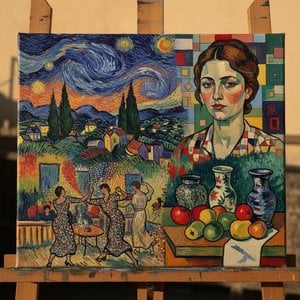
Unveil the profound revolution of Post-Impressionism. Explore how masters like Van Gogh and Cézanne utilized bold colors and emotional depth to transcend mere representation, laying the foundation for modern art. A sophisticated journey through history's most emotive brushstrokes.


 プレビュー
プレビュー
 シェアする
シェアする シェアする
シェアする
 詳細を見る
詳細を見る ガイド
ガイド

 ダウンロード
 似ている作品
 X線調査
X線調査 スライドショー
 統計情報
統計情報

 詳細を見る
詳細を見る









 ガラスオプションは、110cm未満のサイズでのみご利用いただけます。




![イリス [1889]](/media/artworks/images-thumb/ca/85/ca85582a4fd1dc392efef83ec4dc3124.jpg)


