x
プレビュープレビュー ARで試着ARで試着 プリントを購入 プリントを購入画像を購入 画像を購入 シェアするシェアする
詳細を見る詳細を見る お気に入りに追加 お気に入りに追加 ダウンロードダウンロード 似ている作品似ている作品 X線調査X線調査 スライドショースライドショー

Guelbe

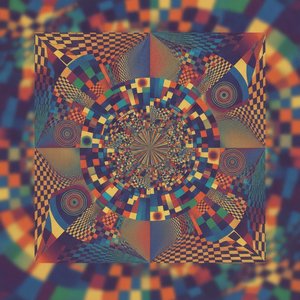
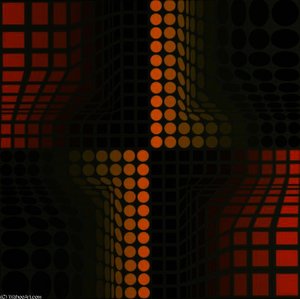
Explore Victor Vasarely's 'Guelbe,' an iconic Op Art piece featuring vibrant yellow circles on a blue background. Discover its geometric patterns and optical illusions – a cornerstone of modern art!

オプ・アートの先駆者、ヴィクター・ヴァサレリの世界へ!幾何学抽象と視覚的錯覚が織りなす革新的な作品群。モダニズム美術とデザインに多大な影響を与えた芸術家です。

手描き油彩複製画

当社のアーティストが、お客様のご希望のサイズと額縁に合わせて、キャンバスに手描きで制作する油彩画です。 (プリントを購入 プリントを購入画像を購入 画像を購入)

P118B $10
P118H $10
P118W $10
P438Z $10
P508JH $12
P508YH $12
P805H $10
P805Z $10
P919BZ $10
P919G $10
P919XJ $10
P959ZH $10
P968JZ $12
W106C $8
W218G $10
W218JH $8
W218Y $10
W307PJ $10
W316G $10
W316PJ $8
W316Y $10
W398PJ $8
W4111J $10
W500HY $15
W500JH $15
W692G $12
W849H $8
W940BG $15
W953PJ $8

標準サイズ
オーダーメイド
CM
INCH

作品のオリジナル比率に合わせた、当店の規定サイズからお選びください。

高さ

特定のフレームやスペースに合わせて、ご希望のサイズをご入力いただけます。選択されたサイズが元の画像の比率と異なる場合、アートワークをトリミングするか、手描きで要素を追加して絵画を拡張いたします。デジタルモックアップ を制作し、制作開始前にご確認(承認)をいただきます。
画面上のプレビューは、実際のトリミングや拡張を正確に反映しているものではありません。最終的な構図は、モックアップによってのみ正確にご確認いただけます。
カスタムサイズもご利用いただけますが、元の比率を維持するためには、あらかじめ用意されたリストからサイズを選択することをお勧めいたします。

カスタマイズの例:顔をお客様の写真に置き換える、ペットを追加する(例:猫を犬に変更)、背景に隠れたメッセージを入れる、背景の風景や要素を変更するなど。
ご注文後、WahooArt.com チームより詳細な指示をお送りするとともに、仕上がりイメージ(モックアップ)をご提供いたします。

世界中への配送()は、通常の5週間ではなく、3〜4週間でお届けいたします。(2 9月)。品質には一切妥協いたしません。

why_choose_icon
世界中へ無料エクスプレス配送
why_choose_icon
高品質なリネンキャンバス
why_choose_icon
配送時完全保険付
why_choose_icon
関税・輸入税の払い戻し保証
why_choose_icon
忠実な色彩再現保証
why_choose_icon
60日間返品保証(製造上の欠陥のみ)
why_choose_icon
100% 全額返金保証
why_choose_icon
まとめ買い割引のご案内

合計金額

$ 272

reproduction

Guelbe

複製技法

複製画のサイズ

-

合計金額

$ 272

作品詳細

  • Artistic style: Kinetic art
  • Subject or theme: Abstract patterns and forms
  • Influences: Bauhaus movement
  • Title: Guelbe
  • Notable elements or techniques: Geometric abstraction, Optical illusion

A Dance of Light and Form: Exploring Victor Vasarely's "Guelbe"

Victor Vasarely’s “Guelbe,” a vibrant testament to the power of geometric abstraction, is more than just a painting; it’s an experience. This work, characteristic of his pioneering role in Op Art, invites viewers into a world where perception shifts and dances before their eyes. The canvas pulsates with energy, a carefully orchestrated interplay of blue hues and luminous yellow circles that seem to float and swirl within the composition. It's a piece that speaks to the inherent human fascination with patterns, rhythm, and the illusion of movement – a visual symphony designed to engage not just the intellect but also the senses. The close-up view reveals an intricate network of forms, each circle meticulously placed to create a dynamic whole. This isn’t merely decoration; it's a deliberate exploration of how our eyes and brains interpret spatial relationships and optical phenomena.

The Genesis of Op Art and Vasarely's Vision

To truly appreciate “Guelbe,” one must understand the context from which it emerged. Victor Vasarely, born Győző Vásárhelyi in Hungary, was a restless spirit who initially pursued medicine before dedicating himself to art. His early influences were diverse, ranging from Cubism and Futurism to Surrealism, but he ultimately forged his own path, rejecting what he considered the limitations of representational art. The 1950s marked a pivotal period for Vasarely as he began developing the principles that would define Op Art – Optical Art. This movement sought to create illusions of depth, movement, and vibration through the strategic use of geometric forms, color contrasts, and repetitive patterns. “Guelbe,” created during this fertile period, exemplifies these core tenets. It’s a direct response to the traditional art world's focus on subjective expression, instead prioritizing an objective exploration of visual perception itself. Vasarely aimed to create art that was accessible to all, stripping away personal narratives and focusing on universal principles of form and color.

Decoding the Symbolism: Circles, Spirals, and Universal Harmony

While Op Art often eschews overt symbolism, “Guelbe” possesses a subtle yet profound resonance. The circles themselves can be interpreted as representations of wholeness, unity, and cyclical patterns found throughout nature – from planetary orbits to cellular structures. Their swirling arrangement evokes the dynamism of galaxies, the flow of water, or even the intricate spirals of seashells. This sense of movement isn't chaotic; it’s carefully controlled, creating a harmonious visual rhythm that draws the viewer in. The choice of blue as the dominant background color contributes to this feeling of serenity and expansiveness, while the vibrant yellow circles inject energy and optimism. It is not about depicting something specific but rather evoking a sense of universal order and interconnectedness – a reflection of Vasarely’s belief in the underlying mathematical principles that govern both art and the cosmos.

The Technique: Precision, Repetition, and Optical Illusion

Vasarely's technique was as revolutionary as his artistic vision. He employed meticulous precision and repetition to achieve the desired optical effects. “Guelbe” showcases this mastery; each circle is rendered with unwavering accuracy, their sizes and positions carefully calculated to create a sense of depth and movement. While early in his career he used traditional painting techniques, Vasarely increasingly embraced screen printing and other mechanical reproduction methods, allowing him to produce multiple versions of his works and explore the possibilities of mass production – further democratizing art and challenging conventional notions of originality. The resulting image isn't simply a flat surface; it’s an illusion, a carefully constructed visual trick that plays with our perception of space and form. It is this technical brilliance combined with artistic insight that makes “Guelbe” such a compelling and enduring work of art.

アーティストの略歴

幾何学と光の幻想:ヴィクター・ヴァサレリの世界

1906年、クロアチア(当時オーストリア=ハンガリー帝国)のペチュヴァツでKároly Vaszaryとして生まれたヴィクター・ヴァサレリは、Op Art(光学芸術)とキネティックアートの先駆者として知られています。彼の人生は、医学を志した時期から、絵画の世界へと転身する決断に至るまで、一筋縄ではいかないものでした。1927年、彼はポドリーニ=ヴォルクマンアカデミーに入学し、芸術への情熱を追求します。この決断は単なる職業の変化ではなく、知覚と形態の根源的な原理を探求する生涯にわたる旅の始まりを告げるものでした。特に重要なのは、Sándor Bortnyik氏のワークショップ「Műhely」での学びです。そこではバウハウスの影響を受け、機能主義デザインと幾何学的抽象の原則を深く理解しました。ヴァサレリは単なる技術習得にとどまらず、伝統的な芸術的慣習を解体し、論理と精密性に根ざした新たな視覚言語を創造しようとしたのです。

初期の抽象からOp Artへの黎明

1920年代後半から1930年代初頭にかけて、ヴァサレリは徐々に表象芸術からの脱却を図り、幾何学的抽象の世界へと深く踏み込みました。「青の研究」や「緑の研究」(ともに1929年)といった作品は、その移行期を象徴しています。これらの作品は、物語的な内容を意図的に排除し、純粋な形態と色彩の関係性に焦点を当てています。ピエト・モンドリアンやカジミール・マレーヴィチといった巨匠たちから影響を受けつつも、ヴァサレリは彼らのスタイルを単に模倣するのではなく、それを超越し、よりダイナミックで、鑑賞者の知覚を積極的に刺激する表現を目指しました。1930年にパリに移住後、彼はグラフィックデザイナー兼広告アーティストとして活動を開始し、そのスキルを磨きながら独自の芸術的ビジョンを追求しました。この時期に、彼はOp Artの代名詞となるような技術を実験的に試み始めます。形と色彩を操作することで、奥行きや動きの錯覚を生み出すのです。

体系化された幻想:ムーブメントの定義

1960年代になると、ヴィクター・ヴァサレリはOp Art運動における主要な人物として確立しました。多くのアーティストが直感や偶発的な表現に頼るのに対し、ヴァサレリは体系的な方法論を用いて作品を制作しました。彼はグリッドと数学的原理を活用し、視覚的な振動、渦巻き効果、そして物理的には存在しない奥行きといった強烈な光学錯覚を生み出すパターンを生成しました。これは単なるトリックではなく、知覚そのものの内にあるダイナミズムを明らかにする試みでした。ヴァサレリは、芸術をギャラリーや美術館の枠を超えて、より多くの人々にアクセス可能にすることを信じていました。彼の作品は鑑賞者に自らの視覚体験を問い直し、意味の創造に積極的に参加するように促しました。この意図的な知覚との関わりこそがOp Artを他の芸術分野と区別し、ヴァサレリをその最前線に位置づけたのです。彼は単なる絵を描いているのではなく、経験を構築していたのです。

キャンバスを超えて:キネティックな探求と遺産

ヴァサレリの芸術的探求は、静的な錯覚だけにとどまりませんでした。彼はますますキネティックアートの世界へと足を踏み入れ、実際の動きを取り入れたり、視覚的に動いているかのように見せかける作品を制作しました。「ジョルジュ・ポンピドゥ」(1976年)は、パリのポンピドゥー・センターに設置された大規模な運動作品であり、その野心を象徴しています。これは芸術と建築、そして都市デザインを統合した壮大な試みでした。さらに彼は、ロザリン陶器とのコラボレーションによって生まれた象徴的な「Suomi」食器シリーズに見られるように、商業製品へのデザイン応用にも意欲的に取り組みました。この境界線の曖昧さは、芸術が日常生活に浸透する可能性を信じていたヴァサレリの信念を裏付けています。フランスとソ連の共同宇宙船スリュート7号に彼のセリグラフを搭載した1982年の出来事は、彼の芸術の世界的な認知度を高め、人類の探求というより広い文脈における芸術とのつながりを象徴しました。

歴史的意義

ヴァサレリの芸術史への貢献は多岐にわたります。彼は伝統的な絵画技法を超越し、鑑賞者の知覚を積極的に関与させる作品を生み出しました。彼の体系的なアプローチは、芸術的創造性に関する従来の概念に挑戦し、コンピュータ生成アートやデジタルデザインの道を開きました。また、複製と商業応用を受け入れることで、ヴァサレリは美術と大衆文化の境界線を曖昧にし、両方に永続的な影響を与えました。彼は単なる美的に心地よい物体を創造しているのではなく、私たちが世界を見る方法に関する根本的な真実を明らかにする視覚実験を行っていたのです。 彼の作品は今日でも共鳴し続け、抽象の力、幾何学の美しさ、そして人間の創造性の無限の可能性を私たちに思い出させてくれます。

ヴィクトル・ヴァザレリ

ヴィクトル・ヴァザレリ

1906 - 1997 , クロアチア

基本情報

  • フルネーム: ヴィクター・ヴァサレル
  • 主な作品:
    • 青の研究
    • 緑の研究
    • Zebra
  • 出生地: ペチシュ、クロアチア
  • 国籍: ハンガリー・フランス系
  • 影響を与えたアーティストまたは運動:
    • グラフィックデザイン
    • インテリアデザイン
  • 影響を受けたアーティスト:
    • ピエト・モンドリアン
    • カジミール・マレーヴィチ
  • 死亡年月日: 1997年3月15日
  • 生年月日: 1906年4月9日
  • 芸術運動またはスタイル: オプアート、キネティックアート
テーマ、スタイル、特徴別に分類された作品を探索しましょう。