アート相談を無料で

x
手描き複製画を注文する 手描き複製画を注文する画像を 購入する 画像を 購入する シェアするシェアする
詳細を見る詳細を見る お気に入りに追加 お気に入りに追加 ダウンロードダウンロード 似ている作品似ている作品 X線X線 スライドショースライドショー

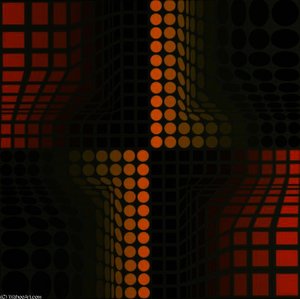
Abstract Composition 13

Explore Victor Vasarely's 'Abstract Composition 13,' a vibrant Op Art masterpiece! Dive into its geometric shapes, dynamic colors & lasting influence on modern art.

オプ・アートの先駆者、ヴィクター・ヴァサレリの世界へ!幾何学抽象と視覚的錯覚が織りなす革新的な作品群。モダニズム美術とデザインに多大な影響を与えた芸術家です。

ジークレー/アートプリント

迅速な制作と多彩な仕上げオプションを備えた、ミュージアムクオリティのジークレーまたはキャンバスプリント。

P118B $10
P118H $10
P118W $10
P438Z $10
P508JH $12
P508YH $12
P805H $10
P805Z $10
P919BZ $10
P919G $10
P919XJ $10
P959ZH $10
P968JZ $12
W106C $8
W218G $10
W218JH $8
W218Y $10
W307PJ $10
W316G $10
W316PJ $8
W316Y $10
W398PJ $8
W4111J $10
W500HY $15
W500JH $15
W692G $12
W849H $8
W940BG $15
W953PJ $8

Standard
custom
CM
INCH

作品のオリジナル比率に合わせた、当店の規定サイズからお選びください。

高さ

特定のフレームやスペースに合わせて、ご自身でサイズを指定することも可能です。選択されたサイズが元の画像の比率と一致しない場合、作品をトリミングするか、鏡面反射または単色での塗りつぶしによって画像を拡張いたします。制作を開始する前に、ご確認用のデジタルモックアップをお送りいたします。
画面上のプレビューには、実際のトリミングや拡張は反映されませんのでご注意ください。最終的な構図を正確に確認できるのは、モックアップのみとなります。
カスタムサイズも承っておりますが、元の比率を維持するためには、あらかじめ用意されたリストからサイズを選択することをお勧めいたします。

世界中への配送()は、標準の4〜5週間ではなく、2週間でお届けいたします。(5 7月)

why_choose_icon
世界中へ無料エクスプレス配送
why_choose_icon
高品質なリネンキャンバス
why_choose_icon
配送時完全保険付
why_choose_icon
関税・輸入税の払い戻し保証
why_choose_icon
忠実な色彩再現保証
why_choose_icon
60日間返品保証(製造上の欠陥のみ)
why_choose_icon
100% 全額返金保証
why_choose_icon
まとめ買い割引のご案内

合計金額

-

reproduction

Abstract Composition 13

ジークレー/アートプリント

複製画のサイズ

-

合計金額

-

作品詳細

  • Artist: Victor Vasarely
  • Movement: Op Art
  • Artistic style: Geometric abstraction
  • Title: Abstract Composition 13
  • Influences: Bauhaus movement

作品詳細説明

A Dance of Geometry and Color: Exploring Victor Vasarely's "Abstract Composition 13"

Victor Vasarely, a name synonymous with Op Art and kinetic art, gifted the world a visual language rooted in geometry and vibrant color. His work transcends mere decoration; it’s an exploration of perception, a challenge to our understanding of space and form. “Abstract Composition 13,” exemplifies this perfectly – a dynamic interplay of shapes that seems to shimmer and move before your eyes. This isn't simply a painting; it is an experience, a carefully orchestrated illusion designed to engage the viewer on a deeply sensory level. The piece invites us into a world where logic and emotion intertwine, where the precision of mathematical principles gives rise to a surprisingly organic and captivating aesthetic.

The Genesis of Op Art: Vasarely's Vision

To truly appreciate "Abstract Composition 13," one must understand its historical context. Born in Hungary in 1906, Vasarely’s journey was far from conventional. Initially studying medicine, he abandoned it to pursue his artistic calling, immersing himself in the burgeoning world of modern art. The influence of Bauhaus principles – a focus on functional design and geometric abstraction – is undeniable in his work. However, Vasarely didn't merely replicate these influences; he synthesized them into something entirely new. He sought to create an art that was accessible, democratic, and capable of transforming the everyday environment. This ambition led him to develop Op Art (Optical Art), a movement characterized by its use of optical illusions and dynamic visual effects. "Abstract Composition 13," created during this pivotal period, stands as a testament to Vasarely’s pioneering spirit and his unwavering commitment to pushing the boundaries of artistic expression. It was a time when artists were questioning traditional representation, seeking new ways to engage with the viewer and explore the very nature of perception.

A Symphony of Shapes: Technique and Composition

The visual impact of "Abstract Composition 13" stems from Vasarely’s masterful manipulation of geometric forms – triangles, circles, squares, and lines – arranged in a complex yet harmonious composition. The colors are equally crucial; blues, greens, purples, yellows, oranges, and blacks collide and interact, creating a sense of depth and movement. Notice how the shapes overlap and intersect, generating optical vibrations that seem to pulse with energy. Vasarely’s technique involved meticulous planning and precise execution. He often began with small-scale studies, carefully calculating the placement of each element before transferring his design to larger canvases. This methodical approach belies the seemingly spontaneous nature of the final result. The "all-over" composition – where no single area dominates – is a hallmark of Vasarely’s style, ensuring that the viewer's eye is constantly drawn across the surface, exploring the intricate network of shapes and colors. He wasn't interested in creating a focal point; instead, he aimed to create an immersive visual experience.

Beyond Illusion: Symbolism and Emotional Resonance

While "Abstract Composition 13" may appear purely decorative at first glance, deeper contemplation reveals layers of symbolic meaning. Vasarely believed that art should be accessible to everyone, transcending the elitism often associated with traditional fine art. His geometric abstractions can be interpreted as representations of universal patterns – the underlying structures that govern our world. The repetition of shapes and colors evokes a sense of order and harmony, while the dynamic interplay creates a feeling of energy and vitality. The emotional impact is subtle yet profound. There's a sense of optimism and forward momentum, a celebration of human ingenuity and creativity. It’s not an artwork that demands a specific interpretation; rather, it invites viewers to project their own emotions and experiences onto its surface. The vibrant colors evoke feelings of joy and excitement, while the precise geometry provides a grounding sense of stability. Ultimately, "Abstract Composition 13" is a testament to the power of abstraction to communicate complex ideas and evoke profound emotional responses without relying on representational imagery. It’s an invitation to see the world in new ways – to appreciate the beauty of order, the dynamism of change, and the endless possibilities of human imagination.

関連作品


アーティストの略歴

幾何学と光の幻想:ヴィクター・ヴァサレリの世界

1906年、クロアチア(当時オーストリア=ハンガリー帝国)のペチュヴァツでKároly Vaszaryとして生まれたヴィクター・ヴァサレリは、Op Art(光学芸術)とキネティックアートの先駆者として知られています。彼の人生は、医学を志した時期から、絵画の世界へと転身する決断に至るまで、一筋縄ではいかないものでした。1927年、彼はポドリーニ=ヴォルクマンアカデミーに入学し、芸術への情熱を追求します。この決断は単なる職業の変化ではなく、知覚と形態の根源的な原理を探求する生涯にわたる旅の始まりを告げるものでした。特に重要なのは、Sándor Bortnyik氏のワークショップ「Műhely」での学びです。そこではバウハウスの影響を受け、機能主義デザインと幾何学的抽象の原則を深く理解しました。ヴァサレリは単なる技術習得にとどまらず、伝統的な芸術的慣習を解体し、論理と精密性に根ざした新たな視覚言語を創造しようとしたのです。

初期の抽象からOp Artへの黎明

1920年代後半から1930年代初頭にかけて、ヴァサレリは徐々に表象芸術からの脱却を図り、幾何学的抽象の世界へと深く踏み込みました。「青の研究」や「緑の研究」(ともに1929年)といった作品は、その移行期を象徴しています。これらの作品は、物語的な内容を意図的に排除し、純粋な形態と色彩の関係性に焦点を当てています。ピエト・モンドリアンやカジミール・マレーヴィチといった巨匠たちから影響を受けつつも、ヴァサレリは彼らのスタイルを単に模倣するのではなく、それを超越し、よりダイナミックで、鑑賞者の知覚を積極的に刺激する表現を目指しました。1930年にパリに移住後、彼はグラフィックデザイナー兼広告アーティストとして活動を開始し、そのスキルを磨きながら独自の芸術的ビジョンを追求しました。この時期に、彼はOp Artの代名詞となるような技術を実験的に試み始めます。形と色彩を操作することで、奥行きや動きの錯覚を生み出すのです。

体系化された幻想:ムーブメントの定義

1960年代になると、ヴィクター・ヴァサレリはOp Art運動における主要な人物として確立しました。多くのアーティストが直感や偶発的な表現に頼るのに対し、ヴァサレリは体系的な方法論を用いて作品を制作しました。彼はグリッドと数学的原理を活用し、視覚的な振動、渦巻き効果、そして物理的には存在しない奥行きといった強烈な光学錯覚を生み出すパターンを生成しました。これは単なるトリックではなく、知覚そのものの内にあるダイナミズムを明らかにする試みでした。ヴァサレリは、芸術をギャラリーや美術館の枠を超えて、より多くの人々にアクセス可能にすることを信じていました。彼の作品は鑑賞者に自らの視覚体験を問い直し、意味の創造に積極的に参加するように促しました。この意図的な知覚との関わりこそがOp Artを他の芸術分野と区別し、ヴァサレリをその最前線に位置づけたのです。彼は単なる絵を描いているのではなく、経験を構築していたのです。

キャンバスを超えて:キネティックな探求と遺産

ヴァサレリの芸術的探求は、静的な錯覚だけにとどまりませんでした。彼はますますキネティックアートの世界へと足を踏み入れ、実際の動きを取り入れたり、視覚的に動いているかのように見せかける作品を制作しました。「ジョルジュ・ポンピドゥ」(1976年)は、パリのポンピドゥー・センターに設置された大規模な運動作品であり、その野心を象徴しています。これは芸術と建築、そして都市デザインを統合した壮大な試みでした。さらに彼は、ロザリン陶器とのコラボレーションによって生まれた象徴的な「Suomi」食器シリーズに見られるように、商業製品へのデザイン応用にも意欲的に取り組みました。この境界線の曖昧さは、芸術が日常生活に浸透する可能性を信じていたヴァサレリの信念を裏付けています。フランスとソ連の共同宇宙船スリュート7号に彼のセリグラフを搭載した1982年の出来事は、彼の芸術の世界的な認知度を高め、人類の探求というより広い文脈における芸術とのつながりを象徴しました。

歴史的意義

ヴァサレリの芸術史への貢献は多岐にわたります。彼は伝統的な絵画技法を超越し、鑑賞者の知覚を積極的に関与させる作品を生み出しました。彼の体系的なアプローチは、芸術的創造性に関する従来の概念に挑戦し、コンピュータ生成アートやデジタルデザインの道を開きました。また、複製と商業応用を受け入れることで、ヴァサレリは美術と大衆文化の境界線を曖昧にし、両方に永続的な影響を与えました。彼は単なる美的に心地よい物体を創造しているのではなく、私たちが世界を見る方法に関する根本的な真実を明らかにする視覚実験を行っていたのです。 彼の作品は今日でも共鳴し続け、抽象の力、幾何学の美しさ、そして人間の創造性の無限の可能性を私たちに思い出させてくれます。

ヴィクトル・ヴァザレリ

ヴィクトル・ヴァザレリ

1906 - 1997 , クロアチア

基本情報

  • フルネーム: ヴィクター・ヴァサレル
  • 主な作品:
    • 青の研究
    • 緑の研究
    • Zebra
  • 出生地: ペチシュ、クロアチア
  • 国籍: ハンガリー・フランス系
  • 影響を与えたアーティストまたは運動:
    • グラフィックデザイン
    • インテリアデザイン
  • 影響を受けたアーティスト:
    • ピエト・モンドリアン
    • カジミール・マレーヴィチ
  • 死亡年月日: 1997年3月15日
  • 生年月日: 1906年4月9日
  • 芸術運動またはスタイル: オプアート、キネティックアート
テーマ、スタイル、特徴別に分類された作品を探索しましょう。