
x


迅速な制作と多彩な仕上げオプションを備えた、ミュージアムクオリティのジークレーまたはキャンバスプリント。 ( 手描きの絵画を購入 画像を購入)





























作品のオリジナル比率に合わせた、当店の規定サイズからお選びください。

特定のフレームやスペースに合わせて、ご自身でサイズを指定することも可能です。選択されたサイズが元の画像の比率と一致しない場合、作品をトリミングするか、鏡面反射または単色での塗りつぶしによって画像を拡張いたします。制作を開始する前に、ご確認用のデジタルモックアップをお送りいたします。
画面上のプレビューには、実際のトリミングや拡張は反映されませんのでご注意ください。最終的な構図を正確に確認できるのは、モックアップのみとなります。
カスタムサイズも承っておりますが、元の比率を維持するためには、あらかじめ用意されたリストからサイズを選択することをお勧めいたします。

Self-Portrait
複製画のサイズ
Vasily Ivanovich Surikov’s Self-Portrait from 1879 offers more than just a likeness; it is an intimate confrontation between the artist and the viewer, filtered through the rich lens of late 19th-century Russian portraiture. To gaze into these painted eyes is to encounter not merely a man in fine attire—the dark suit, the crisp bowtie, the distinguished beard—but a mind at work, poised between public presentation and private introspection. Surikov, a titan of Russian Realism, possessed an uncanny ability to capture the psychological undercurrents beneath the polished surface of society. This portrait is a masterclass in controlled formality, suggesting a moment captured just before or after a significant social engagement.
The technical execution speaks volumes about Surikov’s skill. The rendering of the fabric, the subtle sheen on the lapels, and the precise knot of the bowtie demonstrate an acute understanding of texture and light. Yet, it is the sitter's gaze that anchors the piece. He looks directly out, engaging us in a silent dialogue. This direct address transforms the painting from a mere record into an active participant in our viewing experience. The inclusion of the chair in the background grounds the figure within a tangible, albeit somewhat undefined, domestic or studio setting, lending an air of established permanence to the moment.
To appreciate this work is to understand its historical cradle: the zenith of Russian Realism. While Surikov is perhaps more famous for his sweeping historical epics detailing Russia's grand narratives, even in a seemingly personal study like this self-portrait, one senses that commitment to truth. His background, steeped in the realities of Siberian life and folklore, informs every gesture here—a dedication to portraying humanity with unflinching honesty, whether depicting peasant struggle or the measured composure of an urban gentleman.
The very act of painting a self-portrait during this era was often a negotiation between public persona and private identity. The formal suit and bowtie symbolize adherence to societal expectations—the respectable, successful man of his time. However, the intensity in his expression hints at the complexity beneath that veneer. It invites us, the modern viewer, to consider our own carefully constructed facades. This painting whispers secrets about ambition, self-awareness, and the enduring weight of expectation.
For collectors or those seeking art that speaks with intellectual depth, this reproduction offers an unparalleled opportunity to connect with a pivotal moment in Russian artistic history. It is a piece designed not just for admiration, but for contemplation. Imagine it gracing a study or drawing-room; its sophisticated narrative quality elevates any space, suggesting the cultured taste of someone who appreciates both technical brilliance and profound human psychology.

1848年にシベリアのクラスノヤルスクで生まれたワシリー・イワーノヴィチ・スリコフは、単なる視覚的な表現を超え、ロシアの魂を探求した画家として、ロシア美術史において最も重要な人物の一人として名を馳せています。幼少期は困難と家族の苦難に満ちており、その経験が、農村ロシア社会の現実を率直に描き出すという揺るぎない献身を生み出しました。この献身こそが彼の芸術的ビジョンの礎となり、今日でも力強く共鳴し続ける壮大な作品群を生み出す原動力となりました。
スリコフの芸術的感性は、シベリア文化に根付く民話や農民生活への関心によって育まれました。教師であった父は彼に文学と歴史を愛する心を植え付け、彼の知的な好奇心を刺激し、歴史的主題に対する綿密な研究の基礎を与えました。サンクトペテルブルク美術アカデミーに入学したスリコフは、写実主義を主要な芸術様式として提唱したコンスタンチン・マコフスキーとイワン・クラムスコイの下で技術を磨きました。これらの指導者たちは、彼に心理的な深みと感情的な共鳴をもって日常生活を描くことを奨励しました。
スリコフの作品は、卓越した技術を通して雰囲気と感情を表現する並外れた能力によって特徴づけられます。彼は光と色のニュアンスを注意深く研究し、比類のない写実主義を実現するために独特のアプローチを採用しました。彼の筆致は意図的で表現力豊かで、目に見えるものだけでなく、感じられるものも捉え、写実主義運動が真に人間の経験を描き出すことを目指したことの証となっています。スリコフのキャンバスは、劇的な構成と喚起的な照明で知られ、鑑賞者を彼が描いたシーンの中に直接運び込みます。
代表作: 彼の最も象徴的な絵画には、「モロゾワ夫人の肖像」があります。これは貴族の女性の尊厳と信心深さを捉えた作品です。「ヴォルガの船曳き男たち」は、ロシアのバージュ運搬者の過酷な労働と友情を描いています。「冬景色」は、その崇高な美しさとロシアの不屈の精神を象徴する表現で称賛されています。これらの作品は、スリコフが歴史的な物語を高められた感情的な視覚体験に変える能力を示しています。
象徴性とナラティブの深み: スリコフの絵画には、ロシアの民話、宗教的アイコン、社会評論を参照する象徴性が満ちており、単なる描写を超えた意味を豊かにしています。彼は巧みに物語的な要素を織り交ぜ、人間の行動の複雑さとロシアの運命を形作る力を明らかにする物語を作り出しました。
スリコフのロシア美術への貢献は、彼の個々の傑作にとどまりません。彼はサンクトペテルブルク美術アカデミーに絵画学校を設立し、写実主義を受け入れ、スリコフの芸術的原則を提唱する世代のアーティストを育成しました。彼の影響は、その後の多くの画家たちの作品に見られ、ロシアの文化的アイデンティティを形作る上で重要な人物としての彼の永続的な遺産を証明しています。彼は第一次世界大戦中に1916年に亡くなりましたが、今日でも賞賛と学術研究を引き続き生み出す比類のない作品群を残しました。
歴史的意義: スリコフの絵画は、ロシア帝国の貴重な記録として役立ちます。社会的な混乱、宗教的な熱狂、そして国民的な誇りの瞬間を捉えています。それらは彼の時代の心理的な風景に関する洞察を提供し、ロシアの文化遺産への理解に大きく貢献しています。

1848 - 1916 , ロシア

Explore the profound depth of Russian Realism. From the social truths of the Peredvizhniki to epic folklore, discover the soulful power of masters like Perov and Yaroshenko through our expert art history insights and museum-quality reproductions.

Explore the profound beauty of 19th-century Russian art. From Ilya Repin's realism to pastoral landscapes, discover the soul of the steppes through our expert historical analysis and museum-quality hand-painted reproductions for discerning collectors.
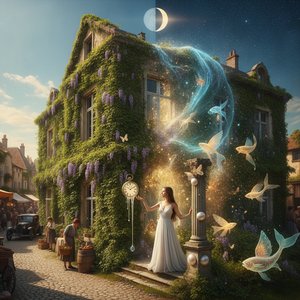
Explore the enigmatic world of Magic Realism. From its German origins to Latin American mastery, discover how this sophisticated movement blends reality with the extraordinary—perfect for discerning collectors seeking depth and wonder in fine art.


最新の美術ニュース、限定オファー、そしてインテリアのアイデアをいち早くお届けします。
お客様のプロジェクトについてお聞かせください。当社の美術専門家が、お客様に合わせた3つのパーソナライズされた芸術提案をご提供いたします。
あなたにぴったりの3作品を無料で厳選いたします


 プレビュー
プレビュー
 シェアする
シェアする シェアする
シェアする
 詳細を見る
詳細を見る

 ダウンロード
 似ている作品
 X線調査
X線調査 スライドショー


 詳細を見る
詳細を見る









 ガラスオプションは、110cm未満のサイズでのみご利用いただけます。


