
当社のアーティストが、お客様のご希望のサイズと額縁に合わせて、キャンバスに手描きで制作する油彩画です。 ( プリント版に切り替え デジタル画像販売へ切り替え)





























作品のオリジナル比率に合わせた、当店の規定サイズからお選びください。

特定のフレームやスペースに合わせて、ご希望のサイズをご入力いただけます。選択されたサイズが元の画像の比率と異なる場合、アートワークをトリミングするか、手描きで要素を追加して絵画を拡張いたします。デジタルモックアップ を制作し、制作開始前にご確認(承認)をいただきます。
画面上のプレビューは、実際のトリミングや拡張を正確に反映しているものではありません。最終的な構図は、モックアップによってのみ正確にご確認いただけます。
カスタムサイズもご利用いただけますが、元の比率を維持するためには、あらかじめ用意されたリストからサイズを選択することをお勧めいたします。

Passing Train
複製画のサイズ
In the annals of the Italian avant-garde, few works capture the visceral pulse of a changing era as poignantly as Umberto Boccioni’s Passing Train. Painted in 1908, this masterpiece serves as a breathtaking precursor to the Futurist movement, acting as a bridge between the soft textures of Divisionism and the aggressive, fragmented dynamism that would soon define the 20th century. The canvas does not merely present a landscape; it presents an experience of velocity. As the eye traverses the sprawling field, it is immediately arrested by the locomotive—a powerful engine of progress hurtling through the scenery. The train is not a static object but a force of nature, its wheels blurring into rhythmic streaks of color that suggest the very vibration of steel against rail. This sense of immediacy is further heightened by the scattered figures along the tracks, whose presence anchors the viewer within the scene, making us feel like fellow travelers caught in the wake of industrial momentum.
Beyond the central drama of the locomotive, Boccioni introduces a subtle, poetic duality through the inclusion of two boats resting in the distance. This juxtaposition creates a profound emotional resonance; while the train represents the relentless, forward-surging energy of modern technology, the boats offer a moment of stillness and reflection. It is a dialogue between the transient and the eternal, between the frantic pace of urban expansion and the enduring tranquility of the natural world. For the discerning collector or interior designer, this tension makes the piece an extraordinary focal point, capable of injecting both sophisticated energy and contemplative depth into a curated space.
To behold Passing Train is to witness Boccioni’s mastery over the physical properties of paint. Utilizing a technique characterized by thick, impasto strokes, the artist layers pigment onto the canvas to create a tactile topography. These heavy applications of paint do more than just depict form; they mimic the sensory overload of modern life—the grit, the heat, and the auditory roar of a passing engine. The color palette is a sophisticated blend of earthy, grounded tones—ochres, umbers, and deep greens—which are brilliantly interrupted by sudden, electric splashes of crimson and bright light. This use of color serves to guide the viewer's gaze, pulling the eye along the trajectory of the train’s movement.
While the work retains elements of the Divisionist style through its broken brushwork, one can already sense the emergence of Simultaneity—the Futurist concept of representing multiple perspectives and moments in a single frame. The way the landscape seems to vibrate and dissolve at the edges of the train suggests that motion is not just something happening to the scene, but something inherent within it. This technical brilliance ensures that the painting remains a living, breathing entity, far removed from the static academicism of the past. It is an invitation to experience art not as a window into a frozen moment, but as a doorway into a world of continuous, exhilarating flux.
Understanding the historical weight of this work allows one to truly appreciate its revolutionary spirit. Emerging from a period of intense industrialization in Italy, Boccioni was part of a generation of rebels who sought to dismantle the stifling traditions of the Renaissance and the bourgeois values of their time. Passing Train is an early manifesto of this rebellion. It celebrates the machine, the speed, and the beautiful chaos of the new century. By embracing the fragmentation of form, Boccioni paved the way for a visual language that could finally speak to the complexities of a mechanized society.
For those seeking to adorn their homes or galleries with a piece of art history, a high-quality reproduction of this work offers more than just aesthetic beauty. It brings into a room a piece of the very soul of modernism. Whether placed in a contemporary minimalist setting where its bold lines can stand out, or within a classic study to provide a striking contrast, Passing Train remains an enduring symbol of human progress and the eternal fascination with the beauty of motion.


1882 - 1916 , イタリア
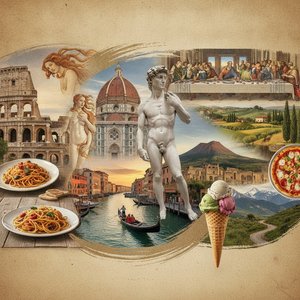
Embark on a visual journey through Italy's soul. From Renaissance masters to Impressionist landscapes, explore 10 iconic artworks that define Italian beauty. Find inspiration for your decor with museum-quality art reproductions. Discover all masterpieces on WahooArt.com.

Journey through history with 10 iconic landscape paintings. From Impressionist light to Romantic vistas, explore the stories behind these timeless masterpieces. Find museum-quality art reproductions and decor inspiration. Discover all masterpieces on WahooArt.com.

Journey through history with 10 iconic landscape paintings that capture the soul of nature. From Impressionist light to dramatic vistas, explore the stories behind these timeless masterpieces and find museum-quality reproductions for your decor. Discover all masterpieces on WahooArt.com


 プレビュー
プレビュー
 シェアする
シェアする シェアする
シェアする
 詳細を見る
詳細を見る

 ダウンロード
 似ている作品
 X線調査
X線調査 スライドショー
 統計情報
統計情報

 詳細を見る
詳細を見る









 ガラスオプションは、110cm未満のサイズでのみご利用いただけます。


