
当社のアーティストが、お客様のご希望のサイズと額縁に合わせて、キャンバスに手描きで制作する油彩画です。 ( プリント版に切り替え デジタル画像販売へ切り替え)





























作品のオリジナル比率に合わせた、当店の規定サイズからお選びください。

特定のフレームやスペースに合わせて、ご希望のサイズをご入力いただけます。選択されたサイズが元の画像の比率と異なる場合、アートワークをトリミングするか、手描きで要素を追加して絵画を拡張いたします。デジタルモックアップ を制作し、制作開始前にご確認(承認)をいただきます。
画面上のプレビューは、実際のトリミングや拡張を正確に反映しているものではありません。最終的な構図は、モックアップによってのみ正確にご確認いただけます。
カスタムサイズもご利用いただけますが、元の比率を維持するためには、あらかじめ用意されたリストからサイズを選択することをお勧めいたします。

Campagna
複製画のサイズ
Umberto Boccioni's "Campagna," painted in 1908, is more than just a depiction of a landscape; it’s a profound statement about the evolving relationship between humanity and nature within the burgeoning world of early 20th-century modernity. This pastel-hued masterpiece, a cornerstone of the Futurist movement, invites viewers into a dreamlike state, capturing a moment of quiet contemplation amidst a subtly dynamic scene. The painting's power lies not in dramatic action but in its carefully constructed atmosphere – an atmosphere that speaks to the anxieties and aspirations of a generation grappling with rapid industrialization and the promise (and potential peril) of technological advancement.
At first glance, “Campagna” presents a seemingly simple tableau: a woman reclining on the ground, enveloped by a rugged Italian landscape. However, Boccioni’s genius lies in layering this immediate scene with symbolic depth. The woman's pose – lying on her back – immediately evokes vulnerability and openness, suggesting a desire for connection or perhaps a surrender to the beauty of the surrounding world. The rocky terrain, rendered with meticulous detail despite the overall softness of the palette, represents both stability and challenge; a grounding force against which the figures’ thoughts can unfold. The presence of two other figures in the background, engaged in an ambiguous interaction, adds another layer of complexity. Are they observers? Participants? Their uncertain positioning reinforces the painting's theme of introspection and the difficulty of truly understanding one's place within the larger world.
Painted in pastel colors, “Campagna” exemplifies Boccioni’s Futurist approach to representation. The movement favored by Futurists was a rejection of traditional artistic conventions that emphasized static depictions of reality. Instead, they sought to capture the fleeting moments of dynamism—the energy and speed of modern life. While this painting doesn't overtly depict motion in the way some of Boccioni’s other works do, the soft blurring of forms and the delicate layering of color create a sense of movement and atmosphere. The technique is characterized by loose brushstrokes and an emphasis on capturing light and shadow to evoke a dreamlike quality. This approach aligns with the Futurist desire to represent not just what things *look* like, but how they *feel* – the sensation of speed, energy, and transformation.
"Campagna" was created during a period of intense social and artistic upheaval in Italy. The rise of industrialization, coupled with the influence of figures like Filippo Tommaso Marinetti, fueled the Futurist movement’s radical rejection of established artistic norms. Boccioni aimed to capture the spirit of this era – a sense of optimism mingled with anxiety about the future. The painting can be interpreted as a meditation on the human condition in the face of modernity: a yearning for peace and tranquility amidst the relentless forces of change. The pastel palette itself contributes to this symbolism, evoking a sense of serenity and spiritual contemplation—a deliberate contrast to the perceived chaos of the industrial age.


1882 - 1916 , イタリア

ジョン・コンスタブルの傑作25選。英国風景画の巨匠が描く自然と光の詩の世界へ。ロマン主義を代表する絵画、デダム・ヴェールやヘイ・ウェインなど、WahooArtで高品質なアートプリントをお楽しみください。インテリアに深みと感動を。コレクションはこちら。

Journey into the heart of Impressionism! Explore 10 masterpieces by Monet, Renoir & Degas that revolutionized landscape art. Discover their stories, techniques & find museum-quality reproductions to elevate your home decor on WahooArt.com.
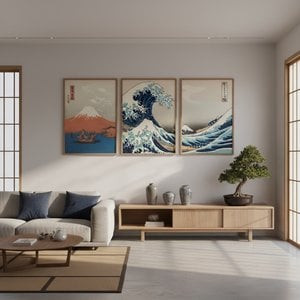
葛飾北斎の25選:『神奈川沖浪裏』や『富嶽三十六景』など、浮世絵の世界を深く探求。木版画の技法と日本美術の美をWahooArtで。高品質なアートプリントで空間に感動を。コレクションはこちら。

ロマン派絵画の時代を彩る10選。巨匠たちの風景が織りなす感動の世界へ。ターナー、ルーベンスなど、名作の裏話と高精細複製でアートをお部屋に。WahooArt.comで至福のアート体験を。
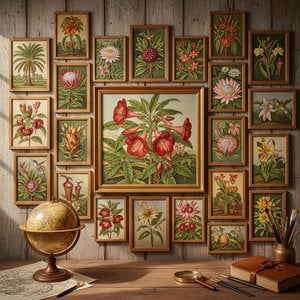
Journey through the vibrant world of Marianne North’s botanical paintings! Explore 25 iconic artworks from this Victorian artist, celebrating exotic flora & travel. Find museum-quality reproductions and curated decor ideas at WahooArt.com.


 プレビュー
プレビュー
 シェアする
シェアする シェアする
シェアする
 詳細を見る
詳細を見る ガイド
ガイド

 ダウンロード
 似ている作品
 X線調査
X線調査 スライドショー
 統計情報
統計情報

 詳細を見る
詳細を見る









 ガラスオプションは、110cm未満のサイズでのみご利用いただけます。


