


スピーディーな制作と多彩な仕上げオプションが魅力の、ミュージアムクオリティなジークレー・キャンバスプリント。 ( 手描き複製画を注文する デジタル画像販売へ切り替え)





























作品のオリジナル比率に合わせた、当店の規定サイズからお選びください。

額縁や壁のスペースに合わせて、ご希望の幅と高さを入力してください。プリントはカットすることは可能ですが、元の画像より大きくすることはできないため、異なる比率のサイズを選択された場合は、画像の一部が欠けることになります。印刷を開始する前に、内容を確認していただくためのデジタルモックアップをお送りいたします。このページに表示されている画像は、実際のカット後の状態を示すものではありません。実際の仕上がりはモックアップにてご確認ください。
Two Boys before an Easel
複製画サイズ一覧
The composition presents two young boys positioned before an easel, captured in a medium close-up. In the foreground, one boy is seen in profile, his face illuminated by a concentrated light source that defines the contours of his features. He wears a garment with a sleeve made of saturated purple satin, which reflects light with a distinct sheen. Behind him, a second boy is partially visible, his presence more obscured by the shadows. The background remains dark and indistinct, lacking specific architectural or environmental details. This use of chiaroscuro creates a sharp contrast between the illuminated skin tones and the deep blacks and browns that dominate the surrounding space. The brushwork is precise, particularly where light hits the folds of the purple fabric and the soft curls of the hair.
The color palette relies on muted golds and heavy, dark tones to establish a somber atmosphere. The texture of the clothing, specifically the silk-like quality of the sleeve, is rendered with careful attention to how light interacts with different surfaces. Lines are used to define the edges of the figures against the darkness, though they remain soft in areas of transition. The focus remains fixed on the interaction between the subjects and the object of their attention: a sketch or painting resting upon the easel.
This work is characteristic of the 17th-century Utrecht Caravaggism style, a movement that integrated Italian Baroque principles into Northern European painting. The technique emphasizes realism through the dramatic application of light and shadow to sculpt forms out of darkness. Such methods were common among artists who had studied in Rome and brought back an interest in intense, realistic representation and the use of sudden, directional light. The subject matter—an artist or student observing a work on an easel—suggests themes of observation and the process of learning.
The painting reflects a period of artistic experimentation where painters moved between intense, dark compositions and more classical, lighter styles. In this specific piece, the heavy shadows and the focus on a single, brightly lit subject point to the influence of Caravaggio's approach to composition. The way the light catches the edge of the boy's profile and the texture of his clothing demonstrates a commitment to capturing the physical reality of light hitting varied materials, from skin to satin.
「Two Boys before an Easel」の著作権の状態について — パブリックドメイン(著作権消滅) — は、作者の没年である1671に基づいています。
「Two Boys before an Easel」は、Reflectiveな情緒を湛えています。この情緒的なトーンは、作品が与える印象を表しています。
視覚的な明るさの観点から見ると、Jacob van Oost作「Two Boys before an Easel」 は deep_shadow です。


Step into the elegance of the Baroque era with our curated guide to Sir Anthony van Dyck's top 25 masterpieces. Explore royal portraits and Flemish brilliance through museum-quality art reproductions and timeless decor inspiration. Discover all masterpieces on WahooArt.com.

Immerse yourself in the profound emotion of Rogier van der Weyden. Explore 25 iconic Early Netherlandish masterpieces, from intricate textures to divine pathos. Find inspiration for museum-quality art reproductions and decor. Discover all masterpieces on WahooArt.com.
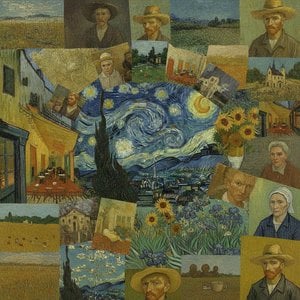
Explore 25 iconic Van Gogh masterpieces and their stories. Discover museum-quality art at WahooArt.com.

Explore 25 iconic Van Gogh and modern masterpieces from the Kröller-Müller Museum. Discover the full collection online at WahooArt.com.
 設置イメージを表示
 シェアする
シェアする シェアする
シェアする
 詳細を見る
詳細を見る ガイドを表示

 ダウンロード
 似ている作品
 X線調査
X線調査 スライドショーを表示
 Q&A
Q&A
 統計情報
統計情報


 詳細を表示
詳細を表示









 ガラスオプションは、110cm未満のサイズでのみご利用いただけます。


