Oil On CanvasWallArtItalian Renaissance
 1520
1520 76.0 x 57.0 cm
 スコットランド国立美術館
オンラインプレビューをはるかに凌ぐ、高解像度で鮮明なデジタル画像をご購入いただけます。
各ファイルは、社内の専門家が高度なツールと熟練した手作業によるレタッチを用いて、細心の注意を払って準備されています。すべての画像において、卓越した鮮明度、正確な色彩再現性、そして繊細なディテールを保証いたします。
最終ファイルは、プロフェッショナルな編集・印刷環境ですぐにご利用いただけるよう最適化された状態で、72時間以内にメールにてお届けいたします。これは、一流のデザインスタジオ、出版社、ギャラリーから信頼されているものと同等の品質です。
個人での鑑賞、印刷、クリエイティブなプロジェクト用に、高解像度ファイルをダウンロードできます。 ( Switch to Print 手描きの絵画を購入)
WahooArt.com を選ぶことは、単に画像を手に入れることではありません。それは、プロの手によって精密に仕上げられ、満足保証が付いた高品質なデジタルアートワークを受け取ることを意味します。ご注文いただいた際に自動的に付随する内容は、以下の通りです:

ご注文から72時間以内に、高解像度のデジタル画像ファイルがメールでお手元に届きます。すぐにそのままご利用いただけます。

お客様の作品は、高度なAIツールと専門家による手作業の編集を組み合わせてプロフェッショナルに最適化されており、細部のディテール、鮮明さ、そして正確な色再現性を最大限に引き出しています。

ファイルを誤って削除したり、紛失してしまったりしましたか?ご安心ください。いつでも無料で再送いたします。

関税や手数料、配送料を気にすることなく、お気に入りのアートワークをすぐにお楽しみいただけます。デジタルダウンロードは常に免税です。

プロ仕様のツールとカラーマネジメント技術を用いることで、デジタル画像が元の色を最大限に忠実に再現することを保証いたします。

ご購入いただいたデジタル画像にご満足いただけない場合は、100日以内であれば、理由を問わず修正または100%の返金対応をさせていただきます。

ご満足いただけない場合は、デジタルファイルを受け取ってから100日以内であれば、理由を問わず全額返金いたします。

3枚購入で10%OFF - 5枚購入で15%OFF - 10枚以上購入で20%OFF。クリエイティブなプロジェクト、ギャラリー、エージェンシーに最適です。
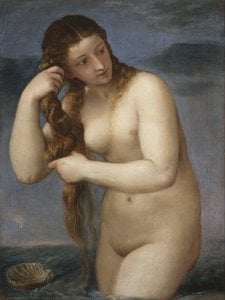
Titian’s “Venus Anadyomene,” painted around 1520, isn't merely a depiction of the goddess; it’s an embodiment of Renaissance ideals—a vibrant celebration of beauty, mythology, and the mastery of color. This oil on canvas masterpiece, now residing in the Scottish National Gallery, captures a pivotal moment: Venus rising from the sea, her hair cascading down as she sheds the remnants of her birth, a gesture simultaneously vulnerable and triumphant. The painting immediately draws the eye with its luminous palette—a symphony of blues, pinks, and golds that evoke both the depths of the ocean and the radiant glow of dawn. It’s a testament to Titian's unparalleled ability to render light and texture, creating an illusion of palpable wetness on Venus’ skin and the shimmering surface of the water.
The title itself, “Anadyomene,” translates to "one who has risen from the sea," referencing a key episode in Greek mythology. According to Hesiod and other classical sources, Venus was born fully-grown from the sea foam—the result of Cronus’s discarded genitals thrown into the ocean. This birth wasn't gentle; it was an emergence, a forceful rising from the depths. Titian brilliantly captures this dynamic moment, portraying Venus not as a passive figure but as an active participant in her own creation. The inclusion of the small scallop shell—a symbol of femininity and fertility—reinforces this narrative, grounding the divine birth within the tangible world. Interestingly, the shell is smaller than in other depictions of Venus’s birth, suggesting that Titian isn't simply illustrating a mythological event but rather emphasizing the goddess’s inherent power and self-sufficiency.
Titian’s genius lies not just in his subject matter, but also in his revolutionary approach to painting. He employed a technique known as “alla prima,” meaning he worked directly on the canvas without underdrawing or preparatory sketches. This resulted in loose, vibrant brushstrokes that contribute significantly to the painting's dynamism and immediacy. Notice how Titian builds up layers of color—thin washes of pigment layered over each other to create depth and luminosity. The use of warm, saturated hues contrasts sharply with the cool blues of the sea, creating a captivating visual tension. Furthermore, his masterful handling of drapery – or rather, the *suggestion* of drapery – adds to the sense of movement and fluidity. Venus’s hair isn't rigidly defined; it flows organically around her form, mirroring the waves of the ocean.
Beyond its aesthetic beauty, “Venus Anadyomene” is rich in symbolic meaning. Venus herself represents love, beauty, and fertility—powerful forces that have captivated artists and audiences for centuries. Her act of wringing her hair can be interpreted as a shedding of the past, a release from the primal chaos of her birth. It’s an assertion of her independence and her dominion over the natural world. The painting also subtly references classical sculpture, particularly the Crouching Venus and Cnidian Venus—statues that depicted Venus in a similar pose, emphasizing her graceful form and serene expression. Titian's deliberate inclusion of these echoes from antiquity demonstrates his ambition to not only capture a mythological scene but to engage with the artistic traditions of the past.
Ultimately, “Venus Anadyomene” is more than just a beautiful painting; it’s a profound meditation on birth, beauty, and the enduring power of myth. It invites us to contemplate the goddess's emergence from the depths—a potent symbol of renewal, transformation, and the eternal allure of the feminine ideal.

ティツィアーノ・ヴェチェッリオ(Tiziano Vecellio)、通称ティツィアーノは、イタリア・ルネサンス美術における最も重要な画家の一人であり、特に色彩表現においては他に類を見ない才能を発揮しました。彼は1490年頃にヴェネト地方のピエヴェ・ディ・カドーレで生まれ、その生涯をヴェネツィアで過ごし、ヨーロッパ全土に影響を与えました。彼の作品は、肖像画、神話画、宗教画など多岐にわたり、それぞれの分野において革新的な表現を見出しました。
幼少期、ティツィアーノはモザイク職人であるセバスティアーノ・ズッカトの工房で芸術を学び始めました。その後、ジェンティーレ・ベッリーニや彼の兄ジョヴァンニ・ベッリーニといった著名な画家たちのもとで研鑽を積みますが、特にジョルジョーネとの出会いは彼にとって決定的なものでした。二人は共同で作品に取り組み、その影響はティツィアーノの初期作品に色濃く残っています。しかし、ジョルジョーネの早逝後、ティツィアーノは独自の道を歩み始め、色彩と構図において新たな境地を開拓していきます。
ティツィアーノの芸術的進化は、驚くべき多様性と実験精神によって特徴づけられます。初期の作品にはジョルジョーネの影響が強く見られ、繊細な抒情性と大気描写を巧みに操っています。『袖飾りをした男』のような肖像画では、被写体の外見だけでなく、内面的な性格までも捉えようとする試みが窺えます。成熟期に入ると、ティツィアーノはより大胆で劇的な色彩表現へと移行し、『受胎告知』に見られるように、複雑な構図と鮮やかな色彩を自在に操るようになりました。
彼は絵具の重ね塗りという技法を駆使し、光と影の効果を最大限に引き出し、作品に深みと立体感を与えました。また、肖像画においては、被写体の心理状態や個性を見事に表現することで、単なる似顔絵を超えた芸術作品へと昇華させています。『ウルビーノのヴィーナス』は、その代表的な例であり、女性の裸体描写における新たな基準を打ち立てました。ティツィアーノの色彩感覚と構図構成能力は、当時の画家たちに大きな影響を与え、ヴェネツィア派絵画の特徴を決定づける要因となりました。
ティツィアーノの才能は瞬く間に評判となり、ヨーロッパ各地の有力な貴族や王侯から厚い信頼を得ました。神聖ローマ皇帝カール5世、スペイン国王フィリップ2世、教皇パウロ3世など、多くの権力者たちが彼の作品を求めたのです。これらのパトロンからの支援は、彼に莫大な富をもたらすだけでなく、大規模な作品制作の機会を与え、その芸術的才能をさらに開花させました。
ティツィアーノの作品は、ルネサンスからバロックへと移行する時期における重要な転換点となり、後の世代の画家たちに多大な影響を与えました。彼の影響を受けた画家としては、ピーテル・パウル・ルーベンスやレンブラントなどが挙げられます。彼の革新的な色彩表現と自由な筆致は、絵画の世界に新たな可能性をもたらし、西洋美術史における重要な遺産として今もなお高く評価されています。
美術館とコレクション: パドヴァのスクオーラ・デル・サントやヴェネツィアのサン・サルヴァドーレなど、ティツィアーノの傑作は世界中の美術館で鑑賞することができます。
関連する芸術家: ジョルジョーネの影響と、ルーベンスやドラクロワといった後世の画家たちへの影響を辿ることで、ティツィアーノの芸術的意義をより深く理解することができます。
歴史的背景: イタリア・ルネサンス美術とヴェネツィア派絵画の世界に浸り込むことで、ティツィアーノの芸術的業績をより深く理解することができます。

1490 - 1576 , イタリア


 プレビュー
プレビュー
 シェアする
シェアする シェアする
シェアする
 詳細を見る
詳細を見る

 ダウンロード
 似ている作品
 X線調査
X線調査 スライドショー
 Stats
Stats 詳細を見る
詳細を見る