Oil On CanvasWallArtBaroque
 1557Renaissance
 280.0 x 21.0 cm
当社のアーティストが、お客様のご希望のサイズと額縁に合わせて、キャンバスに手描きで制作する油彩画です。 ( プリント版に切り替え デジタル画像販売へ切り替え)





























作品のオリジナル比率に合わせた、当店の規定サイズからお選びください。

フレームや壁のスペースに合わせて、ご希望の幅と高さを入力してください。本作品は手描きのため、異なる比率のサイズをご希望の場合、絵画の周囲を少し広げて描くか、あるいは端を少しカットして調整することが可能です。お客様のご要望に合わせます。制作を開始する前に、仕上がりを確認するためのデジタルモックアップをお送りいたします。このページに表示されている画像は完成品の実物ではなく、あくまでモックアップによるイメージです。
The Annunciation
複製画サイズ一覧
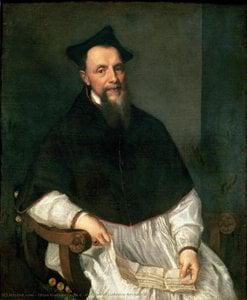
Titian Ramsay Peale II’s “The Annunciation,” painted in 1557, is more than just a depiction of a pivotal biblical moment; it's a carefully constructed tableau brimming with the emotional intensity and dramatic lighting characteristic of late Renaissance – specifically, Baroque – art. This masterful work transports us to a space both sacred and subtly unsettling, inviting contemplation on themes of divine grace, human humility, and the profound mystery at the heart of faith. Peale’s interpretation diverges from purely literal representation, opting instead for a heightened emotionalism that resonates powerfully with viewers centuries later.
The scene unfolds within an undefined, almost dreamlike space – a dark void punctuated by subtle architectural elements suggesting a modest dwelling. The focus immediately draws the eye to the kneeling woman, Mary, rendered in exquisite detail. Her posture conveys both vulnerability and profound absorption; her hands clasped together, her gaze fixed upward with an expression of awe and gentle surprise. This isn’t merely a passive recipient of divine news but a figure actively engaged in a momentous encounter. The artist skillfully uses light to sculpt her form, highlighting the delicate contours of her face and emphasizing the weight of this revelation.
Peale's palette is dominated by rich browns, deep golds, and muted reds – colors that evoke a sense of solemnity and reverence. These warm tones are juxtaposed with cooler blues and purples in the swirling clouds above, creating a dynamic interplay between earthly humility and celestial splendor. The drapery, particularly the voluminous robes of the angel, is rendered with meticulous attention to detail, utilizing layered impasto – thick applications of paint that create a tactile, almost sculptural effect. This technique not only adds depth and texture but also contributes to the overall sense of drama and movement within the composition.
The use of curved lines—particularly in the flowing drapery and the wings of the angel—is paramount to the painting’s dynamic feel. These lines guide the viewer's eye through the scene, creating a sense of continuous motion and upward aspiration. The positioning of the ascending cherubs further reinforces this feeling of ascension, symbolizing the divine presence reaching down to earth. The pyramidal composition, anchored by Mary’s kneeling form and culminating in the angel and celestial elements, provides stability while simultaneously directing the eye upwards towards the heavens.
“The Annunciation” is rich in symbolic meaning. The angel, rendered with powerful wings and a commanding presence, represents divine grace and the messenger of God’s will. Mary's posture embodies humility and receptivity – she is not demanding answers but humbly accepting the extraordinary news. The architectural details, though subtly suggested, hint at the familiar setting of Nazareth, grounding the miraculous event in a tangible reality. The painting draws heavily on the artistic traditions of the High Renaissance, particularly the works of Raphael and Leonardo da Vinci, yet Peale imbues it with a distinctly Baroque sensibility – a heightened emotionalism, dramatic lighting, and an emphasis on movement and dynamism.
Furthermore, it’s important to consider Peale's lineage. As the son of Charles Willson Peale, a pivotal figure in early American art and founder of the first museum, Titian Ramsay Peale II inherited a legacy of scientific observation and artistic exploration. This influence is evident in his meticulous detail and his commitment to capturing both the beauty and the complexity of the natural world – as seen in his extensive wildlife paintings. “The Annunciation” thus represents a fascinating synthesis of High Renaissance ideals with New World sensibilities, creating an artwork that is both timelessly beautiful and deeply rooted in its historical context. It’s a powerful testament to the enduring appeal of religious iconography and the artist's ability to translate profound spiritual themes into visually arresting form.
「The Annunciation」はBaroqueの様式に属しており、その作者は19世紀の時代に活動していました。
ティティアン・ラムゼイ・ピール2世作「The Annunciation」は、Subtle Colorの彩度とMonochromaticの強烈な色彩で記録されています。
ティティアン・ラムゼイ・ピール2世の記録されたテーマであるtitian's venetian mastery, divine grace and humility, counter-reformation piety, symbolic celestial vision, iconic annunciation depiction, key work in artist's output, emphasis on color & emotionの中でも、「The Annunciation」はannunciation, angel, virgin mary, divine revelation, religious art, baroque painting, spiritual encounter, celestialに独自の焦点を当てています。


1799 - 1885 , アメリカ合衆国
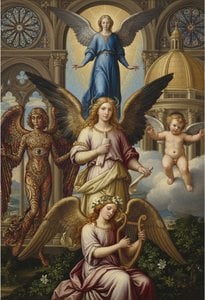
Explore the profound beauty of angelic figures in art history. From Renaissance masterpieces to celestial symbolism, our expert guide offers a sophisticated journey through the divine imagery of the Old Masters for discerning collectors and art enthusiasts.

Immerse yourself in the sacred grandeur of Baroque church interiors. Explore museum-quality, hand-painted oil reproductions and bespoke religious art commissions. From breathtaking frescoes to dramatic altarpieces, we bring historical majesty to your luxury space with unmatched expertise.
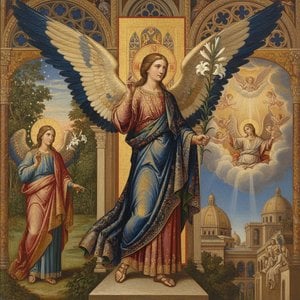
Explore the profound beauty of Angel Gabriel in art history. From Renaissance masterpieces to Baroque splendor, our expert guide delves into the sacred iconography and timeless techniques of these divine messengers for the discerning art enthusiast.

 設置イメージを確認
 送る
送る シェア
シェア
 詳細情報
詳細情報 ガイドを表示

 画像をダウンロード
 似ている作品
 X線調査
X線調査 スライドショー
 統計情報
統計情報 続きを読む
続きを読む









 ガラスオプションは、110cm未満のサイズでのみご利用いただけます。