
 Oil On CanvasWallArtBaroque Renaissance
 1570
1570 114.0 x 100.0 cm
 Academy of Fine Arts Vienna
迅速な制作と多彩な仕上げオプションを備えた、ミュージアムクオリティのジークレーまたはキャンバスプリント。 ( 手描きの絵画を購入 デジタル画像販売へ切り替え)





























作品のオリジナル比率に合わせた、当店の規定サイズからお選びください。

特定のフレームやスペースに合わせて、ご自身でサイズを指定することも可能です。選択されたサイズが元の画像の比率と一致しない場合、作品をトリミングするか、鏡面反射または単色での塗りつぶしによって画像を拡張いたします。制作を開始する前に、ご確認用のデジタルモックアップをお送りいたします。
画面上のプレビューには、実際のトリミングや拡張は反映されませんのでご注意ください。最終的な構図を正確に確認できるのは、モックアップのみとなります。
カスタムサイズも承っておりますが、元の比率を維持するためには、あらかじめ用意されたリストからサイズを選択することをお勧めいたします。

Tarquin and Lucretia
複製画のサイズ
Titian’s “Tarquin and Lucretia,” completed in 1571 during the twilight years of his illustrious career, is not merely a painting; it's a visceral plunge into the heart of Roman legend. More than just recounting a tragic tale, Titian transforms a historical event—the rape of Lucretia by her husband’s brother, Sextus Tarquinius – into a profoundly moving exploration of power, betrayal, and the devastating consequences of unchecked ambition. The scene unfolds with an arresting immediacy, capturing a pivotal moment suspended between violence and despair, a frozen tableau of shattered innocence and impending revolution.
The painting’s immediate impact stems from Titian's masterful manipulation of light and shadow. A stark, almost theatrical illumination focuses on the central figures – Tarquin, looming over Lucretia with brutal force, and the woman herself, caught in a desperate struggle. The deep shadows that engulf much of the composition contribute to an atmosphere of foreboding and impending doom, mirroring the tragic fate that awaits them both. The use of pure white highlights—a deliberate choice by Titian—draws attention to the dagger poised above Lucretia’s hand, emphasizing her imminent act of self-destruction and adding a chilling intensity to the scene.
“Tarquin and Lucretia” exemplifies the height of Venetian Renaissance painting. Titian, renowned for his vibrant color palettes and loose, expressive brushwork, eschews the rigid formality of earlier Italian masters in favor of a dynamic, almost turbulent style. His application of paint is remarkably free-flowing, creating a sense of movement and immediacy that draws the viewer directly into the drama unfolding before them. The figures are rendered with a remarkable degree of naturalism, yet imbued with an emotional intensity rarely seen in Renaissance art.
Titian’s technique is particularly evident in his masterful use of color. He employs a rich, saturated palette—deep reds, vibrant blues, and earthy browns—to create a visually arresting image. The luxurious fabrics worn by Tarquin and Lucretia further emphasize the decadence and corruption associated with the Roman monarchy. The subtle variations in tone and hue contribute to the painting’s overall sense of drama and emotional depth.
The story of Tarquin and Lucretia is deeply rooted in Roman mythology and history, serving as a potent allegory for the overthrow of tyranny. Lucretia's suicide—a desperate act of defiance against an oppressive regime—became a symbol of female virtue and resistance. The painting’s enduring appeal lies in its ability to tap into universal themes of betrayal, injustice, and the struggle for freedom.
Titian was deeply aware of the historical context surrounding this narrative. He drew inspiration from classical sources, including Livy's *Ab Urbe Condita* (From the Founding of Rome), which recounts the events leading up to the establishment of the Roman Republic. The inclusion of details such as Lucretia’s jewelry and Tarquin’s opulent attire underscore the contrast between the moral decay of the monarchy and the ideals of republican virtue.
“Tarquin and Lucretia” remains a profoundly moving work of art, captivating viewers with its dramatic intensity and emotional resonance. It’s more than just a historical depiction; it’s a meditation on the human condition—a poignant reminder of the devastating consequences of power abuse and the enduring strength of the human spirit. Reproductions of this masterpiece offer an opportunity to experience Titian's genius firsthand, bringing this dramatic tale to life in any setting.

ティツィアーノ・ヴェチェッリオ(Tiziano Vecellio)、通称ティツィアーノは、イタリア・ルネサンス美術における最も重要な画家の一人であり、特に色彩表現においては他に類を見ない才能を発揮しました。彼は1490年頃にヴェネト地方のピエヴェ・ディ・カドーレで生まれ、その生涯をヴェネツィアで過ごし、ヨーロッパ全土に影響を与えました。彼の作品は、肖像画、神話画、宗教画など多岐にわたり、それぞれの分野において革新的な表現を見出しました。
幼少期、ティツィアーノはモザイク職人であるセバスティアーノ・ズッカトの工房で芸術を学び始めました。その後、ジェンティーレ・ベッリーニや彼の兄ジョヴァンニ・ベッリーニといった著名な画家たちのもとで研鑽を積みますが、特にジョルジョーネとの出会いは彼にとって決定的なものでした。二人は共同で作品に取り組み、その影響はティツィアーノの初期作品に色濃く残っています。しかし、ジョルジョーネの早逝後、ティツィアーノは独自の道を歩み始め、色彩と構図において新たな境地を開拓していきます。
ティツィアーノの芸術的進化は、驚くべき多様性と実験精神によって特徴づけられます。初期の作品にはジョルジョーネの影響が強く見られ、繊細な抒情性と大気描写を巧みに操っています。『袖飾りをした男』のような肖像画では、被写体の外見だけでなく、内面的な性格までも捉えようとする試みが窺えます。成熟期に入ると、ティツィアーノはより大胆で劇的な色彩表現へと移行し、『受胎告知』に見られるように、複雑な構図と鮮やかな色彩を自在に操るようになりました。
彼は絵具の重ね塗りという技法を駆使し、光と影の効果を最大限に引き出し、作品に深みと立体感を与えました。また、肖像画においては、被写体の心理状態や個性を見事に表現することで、単なる似顔絵を超えた芸術作品へと昇華させています。『ウルビーノのヴィーナス』は、その代表的な例であり、女性の裸体描写における新たな基準を打ち立てました。ティツィアーノの色彩感覚と構図構成能力は、当時の画家たちに大きな影響を与え、ヴェネツィア派絵画の特徴を決定づける要因となりました。
ティツィアーノの才能は瞬く間に評判となり、ヨーロッパ各地の有力な貴族や王侯から厚い信頼を得ました。神聖ローマ皇帝カール5世、スペイン国王フィリップ2世、教皇パウロ3世など、多くの権力者たちが彼の作品を求めたのです。これらのパトロンからの支援は、彼に莫大な富をもたらすだけでなく、大規模な作品制作の機会を与え、その芸術的才能をさらに開花させました。
ティツィアーノの作品は、ルネサンスからバロックへと移行する時期における重要な転換点となり、後の世代の画家たちに多大な影響を与えました。彼の影響を受けた画家としては、ピーテル・パウル・ルーベンスやレンブラントなどが挙げられます。彼の革新的な色彩表現と自由な筆致は、絵画の世界に新たな可能性をもたらし、西洋美術史における重要な遺産として今もなお高く評価されています。
美術館とコレクション: パドヴァのスクオーラ・デル・サントやヴェネツィアのサン・サルヴァドーレなど、ティツィアーノの傑作は世界中の美術館で鑑賞することができます。
関連する芸術家: ジョルジョーネの影響と、ルーベンスやドラクロワといった後世の画家たちへの影響を辿ることで、ティツィアーノの芸術的意義をより深く理解することができます。
歴史的背景: イタリア・ルネサンス美術とヴェネツィア派絵画の世界に浸り込むことで、ティツィアーノの芸術的業績をより深く理解することができます。

1490 - 1576 , イタリア

Embark on a journey through the Venetian Renaissance. Discover how masters like Giorgione and Titian revolutionized art through luminous color and light. Explore the profound legacy of the Venetian School and its enduring influence on the world of fine art.

Explore the luminous mastery of Titian. Discover how the Venetian master revolutionized color and light through breathtaking Renaissance techniques, from Venus Anadyomene to profound allegories, and learn to bring this timeless brilliance into your private collection.
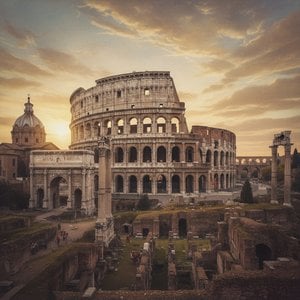
Explore the profound beauty of Roman architecture through art history. From Piranesi's evocative engravings to classical masterpieces, discover how the grandeur of ancient Rome continues to inspire collectors and art enthusiasts worldwide.


 プレビュー
プレビュー
 シェアする
シェアする シェアする
シェアする
 詳細を見る
詳細を見る

 ダウンロード
 似ている作品
 X線調査
X線調査 スライドショー
 統計情報
統計情報 詳細を見る
詳細を見る









 ガラスオプションは、110cm未満のサイズでのみご利用いただけます。


