x


 Acrylic On CanvasWallArtHigh Renaissance
 1515
1515 67.0 x 101.0 cm
迅速な制作と多彩な仕上げオプションを備えた、ミュージアムクオリティのジークレーまたはキャンバスプリント。 ( 手描きの絵画を購入 画像を購入)





























作品のオリジナル比率に合わせた、当店の規定サイズからお選びください。

特定のフレームやスペースに合わせて、ご自身でサイズを指定することも可能です。選択されたサイズが元の画像の比率と一致しない場合、作品をトリミングするか、鏡面反射または単色での塗りつぶしによって画像を拡張いたします。制作を開始する前に、ご確認用のデジタルモックアップをお送りいたします。
画面上のプレビューには、実際のトリミングや拡張は反映されませんのでご注意ください。最終的な構図を正確に確認できるのは、モックアップのみとなります。
カスタムサイズも承っておりますが、元の比率を維持するためには、あらかじめ用意されたリストからサイズを選択することをお勧めいたします。

Orpheus
複製画のサイズ
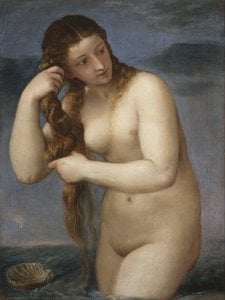
Titian Ramsay Peale II's "Orpheus," painted in 1515, isn’t merely a depiction of the legendary musician; it’s a profound meditation on beauty, grief, and the enduring power of art. This captivating work transcends its historical context to resonate with viewers today through its masterful use of light, color, and an arresting sense of human emotion. Peale, a key figure in American art history bridging the Renaissance ideals of Venice with the burgeoning artistic landscape of the New World, imbued this piece with a distinctly Romantic sensibility – a focus on feeling and subjective experience that would become increasingly prominent in subsequent generations.
The scene unfolds within a richly textured interior, bathed in a dramatic interplay of light and shadow. Orpheus, rendered with meticulous detail, dominates the composition, his posture conveying both intense concentration and palpable sorrow. His flowing robes, rendered in deep blues and purples, contrast sharply with the vibrant hues of the surrounding women – a deliberate choice that highlights his isolation amidst a scene of apparent revelry. The figures are not simply arranged; they’re carefully positioned to create a dynamic visual narrative, drawing the eye through the painting's layers.
At its heart, “Orpheus” is rooted in the timeless Greek myth of Orpheus and Eurydice. The story, as recounted by Apollodorus and later Virgil, tells of Orpheus’s profound love for his wife, Eurydice, who tragically dies after being bitten by a snake. Driven by grief, Orpheus descends into the underworld, using his lyre to charm Hades and Persephone, ultimately securing permission to escort Eurydice back to the world of the living – only under the condition that he not turn back to look at her until they both reached the sunlight. Tragically, his overwhelming despair leads him to succumb to temptation and glance backward, causing Eurydice to vanish forever.
Peale masterfully captures this poignant moment of loss and regret. The women surrounding Orpheus are not passive observers; they seem lost in their own enjoyment of the music, oblivious to the depth of his sorrow. This juxtaposition underscores the isolating nature of grief – a private torment experienced within a world seemingly untouched by pain. The inclusion of birds—a common motif in depictions of Orpheus—adds another layer of symbolism, representing both beauty and fleeting joy, reminders of what has been lost.
Peale’s technique is characterized by a remarkable attention to detail and a masterful command of color. He employs sfumato – a subtle blurring of lines and edges – to create an atmosphere of ethereal beauty, particularly in the rendering of Orpheus's face and the drapery of his robes. His use of chiaroscuro—the dramatic contrast between light and dark—further enhances the painting’s emotional impact, emphasizing the figures’ forms and creating a sense of depth and drama. Peale was deeply influenced by the Venetian Renaissance masters, particularly Titian, evident in his rich color palette and his ability to capture fleeting moments of emotion.
Furthermore, Peale's background as a naturalist profoundly shaped his artistic practice. He meticulously studied anatomy and perspective, ensuring that each figure is rendered with anatomical accuracy. This commitment to realism, combined with his expressive use of light and color, elevates “Orpheus” beyond a simple mythological scene into a powerful exploration of human emotion and the enduring legacy of loss.
Beyond its narrative content, "Orpheus" offers a wealth of symbolic interpretation. The painting can be seen as an allegory for the universal experience of grief and the struggle to reconcile beauty with sorrow. Orpheus’s music represents the power of art to transcend suffering, yet his ultimate failure highlights the limitations of human agency in the face of fate. The women surrounding him symbolize the distractions and superficial pleasures that often mask our deepest emotions. The duck, a seemingly incongruous element, might represent fleeting joy or simply serve as a reminder of the natural world amidst the mythological drama.
Today, “Orpheus” continues to captivate viewers with its emotional intensity and artistic sophistication. Reproductions of this iconic work offer a window into the artistic sensibilities of 19th-century America and provide a poignant reflection on the enduring themes of love, loss, and the transformative power of art.


1799 - 1885 , アメリカ合衆国

Explore the profound beauty of mythological figures through the lens of art history. From Renaissance masterpieces to custom oil reproductions, discover how legendary tales of heroism and divinity are immortalized in fine art for discerning collectors.

Embark on a sophisticated journey through the eternal allure of mythological art. Discover how master painters breathe life into ancient legends, from Greek deities to Baroque masterpieces, and learn to curate these timeless narratives within your own exquisite art collection.

Explore the luminous mastery of Titian. Discover how the Venetian master revolutionized color and light through breathtaking Renaissance techniques, from Venus Anadyomene to profound allegories, and learn to bring this timeless brilliance into your private collection.

Explore the breathtaking world of the Pre-Raphaelite Brotherhood. Discover how this movement redefined Victorian art through vivid detail, mythological depth, and romanticism. An expert guide for classic art enthusiasts seeking to rediscover these timeless masterpieces.

Embark on a journey through the Venetian Renaissance. Discover how masters like Giorgione and Titian revolutionized art through luminous color and light. Explore the profound legacy of the Venetian School and its enduring influence on the world of fine art.


最新の美術ニュース、限定オファー、そしてインテリアのアイデアをいち早くお届けします。
お客様のプロジェクトについてお聞かせください。当社の美術専門家が、お客様に合わせた3つのパーソナライズされた芸術提案をご提供いたします。
あなたにぴったりの3作品を無料で厳選いたします


 プレビュー
プレビュー
 シェアする
シェアする シェアする
シェアする
 詳細を見る
詳細を見る

 ダウンロード
 似ている作品
 X線調査
X線調査 スライドショー
 詳細を見る
詳細を見る









 ガラスオプションは、110cm未満のサイズでのみご利用いただけます。