
x


迅速な制作と多彩な仕上げオプションを備えた、ミュージアムクオリティのジークレーまたはキャンバスプリント。 ( 手描きの絵画を購入 画像を購入)
作品のオリジナル比率に合わせた、当店の規定サイズからお選びください。

特定のフレームやスペースに合わせて、ご自身でサイズを指定することも可能です。選択されたサイズが元の画像の比率と一致しない場合、作品をトリミングするか、鏡面反射または単色での塗りつぶしによって画像を拡張いたします。制作を開始する前に、ご確認用のデジタルモックアップをお送りいたします。
画面上のプレビューには、実際のトリミングや拡張は反映されませんのでご注意ください。最終的な構図を正確に確認できるのは、モックアップのみとなります。
カスタムサイズも承っておりますが、元の比率を維持するためには、あらかじめ用意されたリストからサイズを選択することをお勧めいたします。

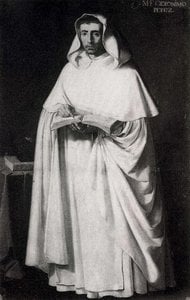
St John
複製画のサイズ
Within the hushed halls of the Mainfränkisches Museum in Würzburg resides a sculpture that transcends mere representation; it is an embodiment of sorrow, contemplation, and profound spiritual depth – Tilman Riemenschneider's 1505 depiction of Saint John the Baptist. More than just a portrait of a biblical figure, this wooden carving offers a glimpse into the anxieties and burgeoning humanism of late medieval Germany, revealing a master’s ability to imbue inanimate wood with palpable emotion.
Riemenschneider, born in Heiligenstadt around 1460, was a pivotal artist bridging the Gothic and Renaissance eras. His life, marked by displacement and artistic apprenticeship across Swabia and the Upper Rhine, instilled within him a resilience that profoundly shaped his work. This particular sculpture, crafted from meticulously carved Linden wood, exemplifies his signature style: a potent blend of emotional intensity and formal precision. The figure is seated, rendered with an almost unnerving realism – the furrowed brow, the downturned mouth, the clenched fist resting on his thigh—all speak to a deep well of suffering. The details are astonishing; observe the delicate rendering of the folds in his garment, the texture of his hair, and the subtle curve of his hand holding what appears to be a scroll or book – an emblem of both knowledge and perhaps, a lament for lost wisdom.
The pose itself is crucial. Saint John is not depicted as a triumphant prophet or a zealous preacher; instead, he’s presented in a state of quiet despair. The downward gaze suggests introspection, a turning away from the world and towards an inner landscape of grief. This isn't simply mourning the loss of his earthly role – the Baptist’s public ministry was abruptly ended – but also a deeper, more universal sorrow for human fallibility and the transience of life. The sculpture powerfully conveys the weight of bearing witness to Christ’s suffering, a burden that resonates across centuries.
Riemenschneider's masterful use of wood carving is equally compelling. The artist skillfully exploited the natural grain of the Linden wood, creating a rich texture and depth that enhances the figure’s physicality. Notice how he uses subtle variations in shading to model the form, suggesting both solidity and vulnerability. This technique, combined with his expressive rendering of facial features, elevates the sculpture beyond mere representation, transforming it into a conduit for profound emotional experience.
Created around 1505 during a period of significant political and religious upheaval in Germany, Riemenschneider’s St. John reflects the anxieties and uncertainties of the era. The Peasants' War, which ravaged the countryside just a few years later, underscored the fragility of social order and the prevalence of suffering. The figure’s sorrowful expression can be interpreted as a commentary on this broader context – a meditation on human vulnerability in the face of adversity.
Beyond its immediate historical setting, the sculpture is rich in symbolic meaning. The scroll or book held by Saint John represents both divine knowledge and the written word, suggesting a connection to scripture and the teachings of Christ. The gesture of his hand—a subtle clench—can be interpreted as a rejection of worldly power and a commitment to spiritual truth. Furthermore, the choice of wood itself – Linden – was often associated with mourning and remembrance in medieval art.
Tilman Riemenschneider’s St. John is more than just a sculpture; it's a profound meditation on human suffering, faith, and the enduring power of artistic expression. Its quiet intensity continues to resonate with viewers today, inviting contemplation and offering a poignant reminder of our shared humanity. Reproductions of this remarkable work capture only a fraction of its emotional depth, but they serve as a powerful gateway to appreciating the genius of one of Germany’s most important medieval sculptors.


1460 - 1531 , イタリア

Journey through art history with our Top 10 bronze sculptures! Explore masterpieces by Rodin, Michelangelo & more. Discover stories behind iconic statues and find museum-quality reproductions for your home decor at WahooArt.com.

ジョン・シンガー・サージェントの至高の25選。肖像画、写実主義、光と影の表現が美しい作品群を紐解きます。マダムXや少女の肖像など、時代を超えて愛される名作をWahooArtで鑑賞。高品質なアート複製で、お部屋に美術館のような空間を。今すぐコレクションをご覧ください。

ジョン・コンスタブルの傑作25選。英国風景画の巨匠が描く自然と光の詩の世界へ。ロマン主義を代表する絵画、デダム・ヴェールやヘイ・ウェインなど、WahooArtで高品質なアートプリントをお楽しみください。インテリアに深みと感動を。コレクションはこちら。

Explore the rich history of sculpture from ancient masterpieces to contemporary innovations. Discover key techniques, influential artists & investment potential for discerning art collectors.

Journey through art history with 10 legendary bronze sculptures – from Michelangelo's David to Rodin’s Thinker. Explore the stories, techniques & timeless beauty of these masterpieces. Find museum-quality reproductions & elevate your home decor on WahooArt.com.


最新の美術ニュース、限定オファー、そしてインテリアのアイデアをいち早くお届けします。
お客様のプロジェクトについてお聞かせください。当社の美術専門家が、お客様に合わせた3つのパーソナライズされた芸術提案をご提供いたします。
あなたにぴったりの3作品を無料で厳選いたします


 シェアする
シェアする シェアする
シェアする
 詳細を見る
詳細を見る

 ダウンロード
 似ている作品
 スライドショー


 詳細を見る
詳細を見る






































 ガラスオプションは、110cm未満のサイズでのみご利用いただけます。




![Life Of St John The Evangelist - [01] - St John On Patmos — ジョット, Early Renaissance](/media/artworks/images-thumb/6e/49/6e49d55b6f8149eba22f9e0a7e269655.jpg)


