スピーディーな制作と多彩な仕上げオプションが魅力の、ミュージアムクオリティなジークレー・キャンバスプリント。 ( 手描き複製画を注文する デジタル画像販売へ切り替え)





























作品のオリジナル比率に合わせた、当店の規定サイズからお選びください。

額縁や壁のスペースに合わせて、ご希望の幅と高さを入力してください。プリントはカットすることは可能ですが、元の画像より大きくすることはできないため、異なる比率のサイズを選択された場合は、画像の一部が欠けることになります。印刷を開始する前に、内容を確認していただくためのデジタルモックアップをお送りいたします。このページに表示されている画像は、実際のカット後の状態を示すものではありません。実際の仕上がりはモックアップにてご確認ください。
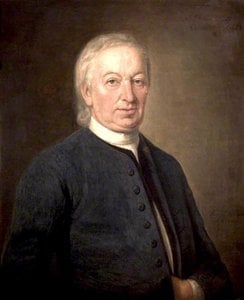
Captain Peter Marriette, Ship's Captain
複製画サイズ一覧
In the quiet dignity of Tilly Kettle’s 1769 masterpiece, Captain Peter Marriette, Ship's Captain, we encounter more than just a likeness; we step into the very heart of Enlightenment-era Britain. This striking oil painting serves as a profound window into an age defined by maritime expansion and the burgeoning influence of the East India Company. Through Kettle’s masterful hand, the subject is not merely recorded but elevated, embodying the steadfastness and social ambition that characterized the era. As the viewer engages with the portrait, there is an immediate sense of meeting a man of consequence—a figure whose very presence commands respect through a composed, thoughtful stillness.
The composition is a triumph of Neoclassical restraint. Eschewing the flamboyant distractions of the preceding Rococo period, Kettle employs a focused, one-point perspective that directs all attention toward Marriette’s countenance. Seated in profile against a muted, unobtrusive backdrop, the Captain becomes the singular protagonist of his own story. The artist utilizes the vertical space of the canvas to emphasize the subject's stature, ensuring that the viewer's gaze is drawn upward to the subtle nuances of his expression. It is a deliberate arrangement designed to foster a sense of solemn contemplation, inviting us to wonder about the many voyages and heavy responsibilities etched into the lines of his face.
Technically, the painting is a testament to the precision of 18th-century oil portraiture. Kettle’s brushwork is remarkably smooth, creating a polished surface that allows light to dance across the textures of the subject's attire. There is a palpable sense of volume in the rendering of Marriette’s clothing; the heavy fabric of his coat feels substantial, almost tactile, thanks to the meticulous application of shadow and highlight. This realism extends to the delicate textures of his hair and the fine details of his skin, where the artist captures the grace of aging with profound sensitivity.
The color palette is deeply symbolic, woven with a narrative of status and duty. The dominance of deep blues evokes the vastness of the oceans Marriette navigated, suggesting maritime authority, reliability, and a steadfast spirit. These cool tones are balanced by crisp whites, which lend an air of nobility and purity to the composition. To complete this visual language of prestige, Kettle incorporates subtle accents of gold trim along the Captain's coat. This glint of precious metal serves as a quiet but powerful reminder of his elevated social standing and the wealth brought by the era's global trade. For the discerning collector or interior designer, these colors offer a sophisticated palette that brings a sense of historical weight and classical elegance to any curated space.
Beyond its historical significance, Captain Peter Marriette possesses an emotional resonance that transcends the centuries. It is a piece that speaks of legacy, duty, and the quiet strength found in leadership. The soft, diffused lighting creates an atmosphere of intimacy, making the encounter with the subject feel personal rather than distant. This artwork does not merely decorate a room; it anchors it, providing a focal point of intellectual and aesthetic depth.
For those seeking to incorporate a piece of British art history into their homes or galleries, a high-quality reproduction of this work offers an unparalleled opportunity. It brings the spirit of the 1760s—an era of discovery and refined order—into a contemporary setting. Whether placed in a study, a formal dining room, or a sophisticated lounge, Kettle’s portrait serves as a timeless conversation piece, inspiring admiration for the craftsmanship of the past and the enduring allure of the Neoclassical tradition.
「Captain Peter Marriette, Ship's Captain」に似た作品は、こちらの関連作品ページでご覧いただけます。
ティリー・ケトル作「Captain Peter Marriette, Ship's Captain」 の輝度は Soft Shadow です。輝度とは、色がどれほど光を反射しているかを表す指標です。
ティリー・ケトル作「Captain Peter Marriette, Ship's Captain」の手描き複製画は、本サイトの手描き油彩複製画ページよりリネンキャンバスに手描きされた油彩複製画にてご購入いただけます。

ティリー・ケトル(1735–1786)は、英国美術史において類まれな存在感を放つ人物です。東インド会社の支配が絶頂期を迎えていた時代、インドの鮮烈な文化的景観の中に自らの地位を確立することに成功した、最初期の著名な英国人肖像画家でした。ロンドンに生まれ、5世代にわたり醸造業を営む家系の馬車塗料職人の息子として育ったケトルの芸術への道は、ストランドにあるウィリアム・シプリーのもとでの基礎的な修行から始まりました。この初期の徒弟修行によって、彼は伝統的な英国の田園地帯という枠組みを超え、新たな地平を切り拓こうとする、当時隆盛を極めていた芸術的潮流の中に身を置くこととなったのです。
1750年代に始まった肖像画への本格的な挑戦において、彼は驚くべき正確さと繊細さで人物の容貌を捉える手腕により、瞬く間にその名を知られるようになりました。1760年を中心とした初期のキャンバス――主に自画像――は、彼の野心を即座に世に示し、1761年に設立されたロンドン画家協会(Society of Artists)における新進気鋭の才能としての地位を確固たるものにしました。この最初の展覧会は、名声を求める同時代の画家たちの中での彼の立ち位置を強固にし、より大きな依頼へと彼を突き動かしました。キャリアの初期において、彼は被写体の尊厳と社会的地位を記録する洗練された能力を発揮し、特にダートマス家の人々を描いた作品においてその真価を現しています。
しかし、ケトルの遺産を真に決定づけたのは、イングランドの国境を越えた1768年の驚くべき遠征でした。東インド会社と共に旅をし、マドラスの地に降り立ったこの経験は、彼の芸術的ビジョンと主題を根底から変容させることになります。この時期、彼はヨーロッパの新古典主義的な技法と、インド亜大陸の持つエキゾチズムや壮大さを融合させ、二つの世界を橋渡しする役割を果たしました。この時代の彼の作品は、英国の植民地支配と現地のインドの生活が複雑に交差する様を捉えた、極めて重要な歴史的記録としての価値を有しています。
ケトルの技法は、驚異的なリアリズムと、豪華な布地の質感から人間の感情の微細なニュアンスに至るまでを描き出す卓越した表現力に特徴づけられます。そのレパートリーは、ジョージ王朝時代の英国における貴族的な優雅さから、インドにおける東インド会社の勢力を象徴する威厳ある人物像まで、多岐にわたります。美術界における彼の最も重要な貢献には、以下のような作品が挙げられます。
これらの作品を通じて、ケトルは単に顔を記録しただけではありません。彼は、拡大、貿易、そして異文化の邂逅によって定義された、ある時代の真のエッセンスを捉えきったのです。英国肖像画が求める形式的な要件と、インドの鮮やかで時に圧倒されるような感覚的風景の両方に適応させた彼の類まれな才能は、美術史の年譜において彼に不朽の地位を約束しています。

1735 - 1786 , イギリス

Explore the refined world of Neoclassical portraiture. Discover the mastery of line, light, and order through an expert exploration of academic art history, from Jacques-Louis David to Jean-Antoine Houdon. Immerse yourself in the timeless elegance of classical realism.

Explore the profound elegance of Neoclassical art. Discover the principles of order, symmetry, and virtue through the works of masters like David and Mengs. Immerse yourself in a journey of classical grace and timeless aesthetic perfection.
 設置イメージを表示
 シェアする
シェアする シェアする
シェアする
 詳細を見る
詳細を見る ガイドを表示

 ダウンロード
 似ている作品
 X線調査
X線調査 スライドショーを表示
 Q&A
Q&A
 統計情報
統計情報


 詳細を表示
詳細を表示









 ガラスオプションは、110cm未満のサイズでのみご利用いただけます。