
x


 Baroque
 89.0 x 62.0 cm
作品のオリジナル比率に合わせた、当店の規定サイズからお選びください。

特定のフレームやスペースに合わせて、ご希望のサイズをご入力いただけます。選択されたサイズが元の画像の比率と異なる場合、アートワークをトリミングするか、手描きで要素を追加して絵画を拡張いたします。デジタルモックアップ を制作し、制作開始前にご確認(承認)をいただきます。
画面上のプレビューは、実際のトリミングや拡張を正確に反映しているものではありません。最終的な構図は、モックアップによってのみ正確にご確認いただけます。
カスタムサイズもご利用いただけますが、元の比率を維持するためには、あらかじめ用意されたリストからサイズを選択することをお勧めいたします。

A Hawk Striking at a Heron
複製画のサイズ

Thomas Stringer (1722-1790) remains a somewhat enigmatic figure in the annals of 18th-century British art, yet his captivating equine portraits and meticulously rendered landscapes offer a unique window into the world of aristocratic leisure and rural life. Born in Knutsford, Cheshire, a region steeped in gentry tradition, Stringer’s artistic journey was shaped by both innate talent and a series of influential encounters – from apprenticeship to patronage, and ultimately, a distinctive style that blended observation with a touch of whimsical invention.
Early life provided little indication of the artist he would become. He began as a servant in the household of Peter Legh, a prominent local landowner, an experience that instilled a keen eye for detail and a familiarity with the rhythms of rural existence. However, a falling out led to his departure, setting him on a path toward establishing himself as a professional painter. This early period undoubtedly honed his skills in capturing animal forms – a crucial element in his later success.
Stringer’s career truly blossomed during the mid-18th century, coinciding with a surge in demand for portraits of horses and their riders. The aristocratic pursuit of hunting and equestrian sport fueled this trend, creating a lucrative market for artists capable of depicting these subjects with grace and accuracy. Stringer quickly gained recognition for his ability to capture not just the physical appearance of the animals but also their spirit and movement. His paintings weren’t merely representations; they conveyed a sense of dynamism and connection between horse and rider.
His commissions came primarily from wealthy landowners in Cheshire and beyond – families like the Brooke, Heron, and Smith-Barry, all prominent figures within the region's social and economic landscape. These patrons sought portraits that reflected their status and celebrated their sporting pursuits. Stringer’s work became synonymous with this aristocratic ideal, showcasing a refined aesthetic and an appreciation for the beauty of the countryside.
Stringer's artistic style is immediately recognizable, characterized by a unique blend of observation and illusionistic technique. He possessed a remarkable ability to render details with precision – from the texture of horsehair to the folds in a rider’s clothing – yet he frequently employed techniques that subtly altered the viewer’s perception of space. A common feature of his paintings is the tendency to “disappear” elements into the background, creating an impression of depth and movement. This technique, often described as a form of visual trickery, adds a layer of complexity and intrigue to his compositions.
His use of color was also notable – favoring muted tones and earthy hues that evoked the natural world. He skillfully employed light and shadow to create a sense of atmosphere and drama, further enhancing the realism of his subjects. The signature element of many of his works is the nonchalant crossing of the sitter’s legs, a detail that adds a touch of informality and personality to the portraits.
Among Stringer's most celebrated paintings are “Beauty, a dapple grey,” a captivating portrait of a young mare, and "A gentleman with his hounds in an extensive landscape," which offers a glimpse into the aristocratic pursuit of hunting. “View, Supposedly of Poynton Hall, Cheshire” is another significant work, showcasing Stringer’s ability to capture the beauty of the English countryside.
Despite his prolific output and considerable reputation during his lifetime, Stringer faded from public view after his death in 1790. For many years, his work was largely overlooked, overshadowed by more prominent artists of the era. However, in recent decades, a renewed interest in 18th-century British art has led to a reassessment of Stringer’s contribution – recognizing him as a skilled and imaginative painter who deserves greater recognition for his unique artistic vision. His paintings continue to be exhibited and studied, offering valuable insights into the social and cultural life of Georgian England.
For further information on Thomas Stringer, consider exploring these resources:

1722 - 1790

Explore the dramatic evolution from Baroque's intense chiaroscuro to Rococo's golden elegance. Our expert guide decodes the shift from high-drama shadows to playful, ornate grace for art enthusiasts and collectors seeking deep historical insight.

Explore the profound differences between Baroque drama and Rococo elegance. Our expert guide delves into art history, chiaroscuro, and the evolution of European masterpieces for collectors and enthusiasts seeking deep historical context.
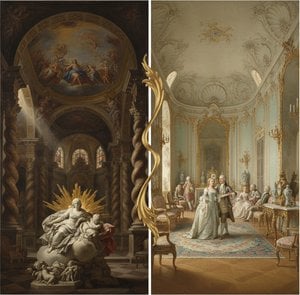
Explore the captivating evolution from Baroque's drama to Rococo's grace! Discover key artists, characteristics & lasting influence of these art movements with expert insights at WahooArt.
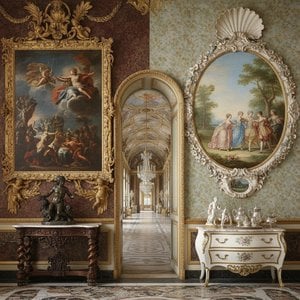
Embark on a cultural journey through the dramatic grandeur of Baroque and the delicate grace of Rococo art. Discover the history, techniques, and timeless beauty of these magnificent eras with our expert-led exploration of European masterpieces.

華麗なるロココ美術の世界へ。バロックから生まれた優雅な芸術、その10大傑作を徹底解説!ブーシェ、フロマンなど巨匠たちの技と物語を紐解き、お部屋を彩るアートを見つけよう。WahooArt.comで至高の美術館品質レプリカとインテリアアイデアを発見。


最新の美術ニュース、限定オファー、そしてインテリアのアイデアをいち早くお届けします。
お客様のプロジェクトについてお聞かせください。当社の美術専門家が、お客様に合わせた3つのパーソナライズされた芸術提案をご提供いたします。
あなたにぴったりの3作品を無料で厳選いたします


 プレビュー
プレビュー
 プリントを購入
 シェアする
シェアする シェアする
シェアする
 詳細を見る
詳細を見る

 ダウンロード
 似ている作品
 X線調査
X線調査 スライドショー
 詳細を見る
詳細を見る






































 ガラスオプションは、110cm未満のサイズでのみご利用いただけます。


