


迅速な制作と多彩な仕上げオプションを備えた、ミュージアムクオリティのジークレーまたはキャンバスプリント。 ( 手描きの絵画を購入 画像を購入)





























作品のオリジナル比率に合わせた、当店の規定サイズからお選びください。

特定のフレームやスペースに合わせて、ご自身でサイズを指定することも可能です。選択されたサイズが元の画像の比率と一致しない場合、作品をトリミングするか、鏡面反射または単色での塗りつぶしによって画像を拡張いたします。制作を開始する前に、ご確認用のデジタルモックアップをお送りいたします。
画面上のプレビューには、実際のトリミングや拡張は反映されませんのでご注意ください。最終的な構図を正確に確認できるのは、モックアップのみとなります。
カスタムサイズも承っておりますが、元の比率を維持するためには、あらかじめ用意されたリストからサイズを選択することをお勧めいたします。

A Man Called Mr. Wood, the Dancing Master
複製画のサイズ
In the quiet, dignified presence of “A Man Called Mr. Wood, the Dancing Master,” we encounter more than just a portrait; we step into the refined atmosphere of the mid-1s70s British aristocracy. Painted around 1757 by the incomparable Thomas Gainsborough, this work serves as a profound psychological window into the character of a gentleman. Mr. Wood is captured in a moment of poised contemplation, his gaze meeting the viewer with an air of self-assuredness that borders on a subtle, knowing amusement. There is an undeniable magnetism in his expression, a flicker of wit that suggests a man deeply engaged with both his surroundings and his own intellect. As he sits beside a chair and a wall clock, the painting invites us to share in his world of measured grace and social sophistication.
The composition is masterfully balanced, utilizing objects not merely as props but as silent narrators of a life well-lived. The inclusion of the clock serves as a poignant memento mori, a gentle reminder of the relentless passage of time, while the chair anchors the subject in a space of stability and domestic comfort. Gainsborough’s ability to weave these elements into a cohesive narrative allows the viewer to feel the weight of history and the stillness of the moment. For the discerning collector or interior designer, this piece offers a sense of timelessness, making it an ideal centerpiece for spaces that value heritage, intellectual depth, and a touch of classical grandeur.
Technically, this portrait is a testament to Gainsborough’s unique position within the English landscape and portrait traditions. Eschewing the heavy, dramatic shadows often found in the works of his contemporary Sir Joshua Reynolds, Gainsborough employs a luminous palette and a gentle diffusion of light. His technique is characterized by soft, fluid brushstrokes that lend an ethereal, almost dreamlike quality to the scene. Through the skillful application of glazing, he achieves a remarkable depth of tone, particularly evident in the rich textures of Mr. Wood’s blue coat and the subtle highlights on his white hair and beard.
This delicate handling of light creates a sense of atmosphere that is both airy and substantial. The way the light grazes the gold buttons of his attire and illuminates the surfaces within the room demonstrates a mastery of naturalism. It is this very softness—this refusal to rely on harsh contrasts—that imbues the painting with its characteristic serenity. To possess a reproduction of such a work is to bring a sense of calm, sophisticated light into one's own environment, providing an aesthetic anchor that feels both historically significant and eternally fresh.
To understand this portrait is to understand the spirit of the Enlightenment. During this era, the values of intellectual curiosity, social decorum, and naturalism were at the forefront of British culture. Gainsborough’s work perfectly encapsulates these ideals, moving away from the rigid conventions of the Baroque toward a more humanistic and psychologically realistic approach. The painting does not merely document a face; it celebrates the dignity of the individual and the quiet pleasures of an observant life.
For those looking to curate a collection or decorate a room with intention, “A Man Called Mr. Wood” offers unparalleled inspiration. It embodies a lifestyle of understated grandeur—a luxury that does not shout but whispers through quality, texture, and character. Whether placed in a study, a formal dining room, or a curated gallery wall, this masterpiece continues to radiate an aura of confidence and grace, making it a timeless investment for any lover of fine art.


1727 - 1788 , イギリス

Explore the life & work of Thomas Hudson, a leading 18th-century British portraitist. Discover his mastery of the 'Grand Manner,' influential style, and lasting impact on British art. Learn about his notable portraits like Judge William Noel & Alexander Van Aken.

バロック様式の歴史、絵画、家具の魅力をご紹介。WahooArtでは、高品質な油絵複製やカスタムポートレートをご提供し、現代のインテリアに壮麗さと情感を取り入れます。アートコンサルテーションも承ります。

Explore the dramatic world of Baroque art! Discover iconic artists like Caravaggio & Rubens, defining techniques, and its lasting impact on art history. Expert insights for collectors & enthusiasts at WahooArt.
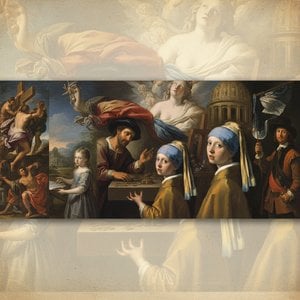
バロック美術の華!カラヴァッジョ、ベルニーニら巨匠が創り上げた10大名作を徹底解剖。ドラマチックな色彩と豪華絢爛の世界観に触れ、至宝のアートプリントで空間を彩ろう。WahooArt.comで美術館品質の複製と洗練されたインテリアを見つけましょう!

Explore the dramatic world of Baroque art! Discover iconic masters like Caravaggio & Rembrandt, their techniques, and the movement's lasting impact. Expert insights for collectors & enthusiasts at WahooArt.


 プレビュー
プレビュー
 シェアする
シェアする シェアする
シェアする
 詳細を見る
詳細を見る

 ダウンロード
 似ている作品
 X線調査
X線調査 スライドショー


 詳細を見る
詳細を見る









 ガラスオプションは、110cm未満のサイズでのみご利用いただけます。


