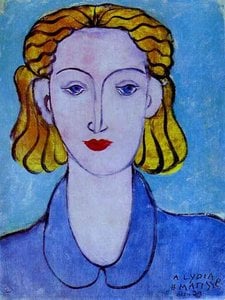
Other
Other 1937
1937 44.0 x 33.0 cm
 アシュモリアン美術館
オンラインプレビューをはるかに凌ぐ、高解像度で鮮明なデジタル画像をご購入いただけます。
各ファイルは、社内の専門家が高度なツールと熟練した手作業によるレタッチを用いて、細心の注意を払って準備されています。すべての画像において、卓越した鮮明度、正確な色彩再現性、そして繊細なディテールを保証いたします。
最終ファイルは、プロフェッショナルな編集・印刷環境ですぐにご利用いただけるよう最適化された状態で、72時間以内にメールにてお届けいたします。これは、一流のデザインスタジオ、出版社、ギャラリーから信頼されているものと同等の品質です。
個人での鑑賞、印刷、クリエイティブなプロジェクト用に、高解像度ファイルをダウンロードできます。 ( プリント版に切り替え 手描きの絵画を購入)
WahooArt.com を選ぶことは、単に画像を手に入れることではありません。それは、プロの手によって精密に仕上げられ、満足保証が付いた高品質なデジタルアートワークを受け取ることを意味します。ご注文いただいた際に自動的に付随する内容は、以下の通りです:

ご注文から72時間以内に、高解像度のデジタル画像ファイルがメールでお手元に届きます。すぐにそのままご利用いただけます。

お客様の作品は、高度なAIツールと専門家による手作業の編集を組み合わせてプロフェッショナルに最適化されており、細部のディテール、鮮明さ、そして正確な色再現性を最大限に引き出しています。

ファイルを誤って削除したり、紛失してしまったりしましたか?ご安心ください。いつでも無料で再送いたします。

関税や手数料、配送料を気にすることなく、お気に入りのアートワークをすぐにお楽しみいただけます。デジタルダウンロードは常に免税です。

プロ仕様のツールとカラーマネジメント技術を用いることで、デジタル画像が元の色を最大限に忠実に再現することを保証いたします。

ご購入いただいたデジタル画像にご満足いただけない場合は、100日以内であれば、理由を問わず修正または100%の返金対応をさせていただきます。

ご満足いただけない場合は、デジタルファイルを受け取ってから100日以内であれば、理由を問わず全額返金いたします。

3枚購入で10%OFF - 5枚購入で15%OFF - 10枚以上購入で20%OFF。クリエイティブなプロジェクト、ギャラリー、エージェンシーに最適です。

In the tapestry of early twentieth-century British art, few threads are as intricately woven with both classical precision and surrealist dreamscapes as those left by Thomas Esmond Lowinsky. Born on March 2, 1892, in the vibrant landscape of Hyderabad, India, Lowinsky carried within him a complex heritage of Hungarian and South African descent. This cosmopolitan origin, paired with an upbringing that moved from the warmth of India to the prestigious halls of England, instilled in him a unique perspective—one that allowed him to bridge the gap between the tangible world and the realms of mythic imagination. His journey through the elite educational corridors of Eton College and Trinity College, Oxford, provided a foundation of humanist scholarship that would later manifest in his profound psychological depth and symbolic complexity.
The true crucible of Lowinsky’s technical mastery, however, was the Slade School of Fine Art, where he studied between 1912 and 1914. It was here that his meticulous approach to anatomy and perspective began to coalesce with a burgeoning interest in the evocative power of color. Yet, his artistic development was not merely an academic pursuit; it was interrupted by the harrowing realities of the Great War. Serving in France during World War I, Lowinsky experienced a period of profound upheaval that many believe contributed to the haunting, introspective quality found in his later works. Upon his return, he did not merely seek to replicate reality but to explore its hidden, often unsettling, dimensions.
Lowinsky’s oeuvre is a captivating study in duality, oscillating between the grounded realism of portraiture and the ethereal whispers of fantasy. As a member of the New English Art Club (NEAC) from 1926 to 1942, he aligned himself with a movement dedicated to revitalizing British landscape and figure painting through a lens of renewed vigor. His portraits are far more than mere likenesses; they are psychological excavations. In works such as 'Miss Avril Turner', the viewer is invited into a space of Victorian elegance and quiet introspection, where every brushstroke serves to reveal the sitter's inner life.
Beyond the human face, Lowinsky’s imagination wandered into the territory of the symbolic. He possessed a rare ability to infuse landscapes with a sense of mythic weight, creating scenes that felt as though they were plucked from the pages of an ancient, forgotten legend. This talent for narrative illustration extended beyond the canvas and into the literary world, where he provided evocative illustrations for works such as Edith Sitwell’s 'Elegy on Dead Fashion'. His ability to translate poetic sentiment into visual form solidified his reputation as an artist capable of capturing the ephemeral essence of thought and emotion.
The life of Thomas Esmond Lowinsky was marked by a relentless pursuit of aesthetic truth, a journey that saw him hold significant solo exhibitions, including a landmark one-man show at the Leicester Galleries in 1926. His marriage to Ruth Jeanette Hirsch, a noted food writer and society hostess, also placed him within a vibrant intellectual circle that embraced the burgeoning surrealist movements of the era. While his work remained rooted in the technical discipline of the Renaissance masters, his spirit was undeniably modern, dancing on the edge of the subconscious.
Though his life was tragically short, ending in 1947 at the age of fifty-five, the impact of his vision remains palpable. Lowinsky’s significance lies in his refusal to choose between the seen and the unseen. He mastered the art of the memento mori, reminding his audience that beneath the surface of every portrait and within the depths of every landscape, there lies a world of profound mystery waiting to be uncovered. Today, his works serve as enduring windows into an era of transition, where classical tradition met the fractured, beautiful complexity of the modern soul.

1892 - 1947


 プレビュー
プレビュー
 シェアする
シェアする シェアする
シェアする
 詳細を見る
詳細を見る

 ダウンロード
 似ている作品
 X線調査
X線調査 スライドショー
 統計情報
統計情報 詳細を見る
詳細を見る